







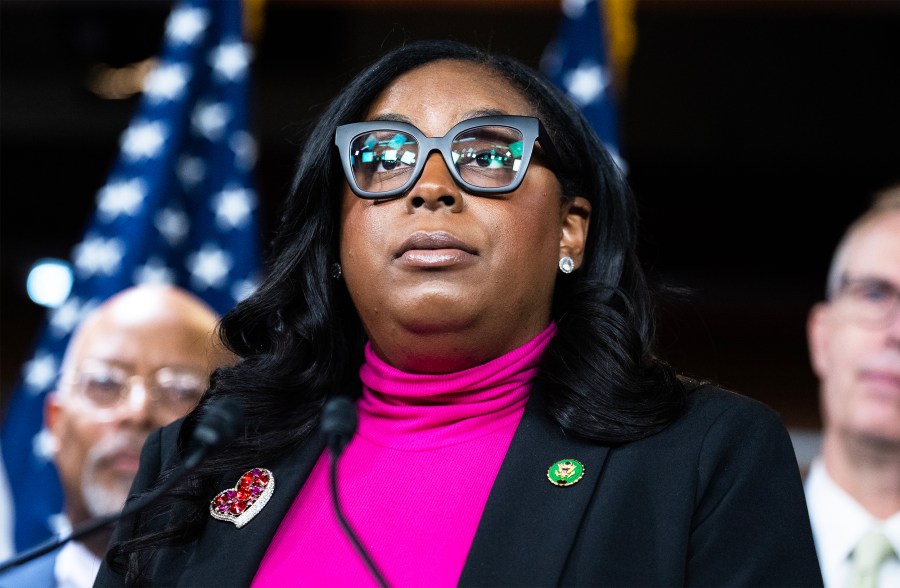
Rep. LaMonica McIver, D-N.J., lost her bid to dismiss her criminal charges on the grounds that they’re unconstitutionally vindictive. The ruling against her on Thursday highlights how difficult these motions are for defendants to win, while also showing how James Comey and Letitia James could still win their vindictive prosecution claims in Virginia.
In June, McIver was charged with assaulting federal officers at an immigration facility in Newark, New Jersey, while she was conducting oversight with other Democratic politicians amid the Trump administration’s immigration crackdown.
Rejecting McIver’s claim of vindictive prosecution, U.S. District Judge Jamel Semper ruled that the congresswoman hadn’t shown “personal animus” by the prosecution, despite statements from interim U.S. Attorney Alina Habba that “we could turn New Jersey red” and from President Donald Trump that the “days of woke are over.”
The Biden-appointed judge reasoned that none of those statements are “particularized to Defendant herself,” and further that they “are not specific to this Defendant or responsive to her policy positions on immigration, and are therefore not personalized in a way that the requested relief contemplates.”
If we apply that reasoning to Comey’s and James’ cases, we see that the president’s barrage of statements against those defendants has been quite “particularized” to them. The pending motions to dismiss on vindictive prosecution grounds from both the former FBI director and the New York attorney general lay out Trump’s animus toward them in great detail.
One of the sticking points between the defense and the government in Virginia is whether Trump’s animus can be imputed to the Trump-installed prosecutor who brought the cases, Lindsey Halligan. If it can, then that’s one of the ways in which the Comey and James cases are in different territory than McIver’s unsuccessful effort.
Of course, vindictive prosecution isn’t Comey’s and James’ only argument for dismissal of their cases. On Thursday, a judge heard arguments on their motions to dismiss on the grounds that Halligan was unlawfully appointed. If she was, then it could lead to dismissal on that separate basis.
Subscribe to the Deadline: Legal Newsletter for expert analysis on the top legal stories of the week, including updates from the Supreme Court and developments in the Trump administration’s legal cases.
