




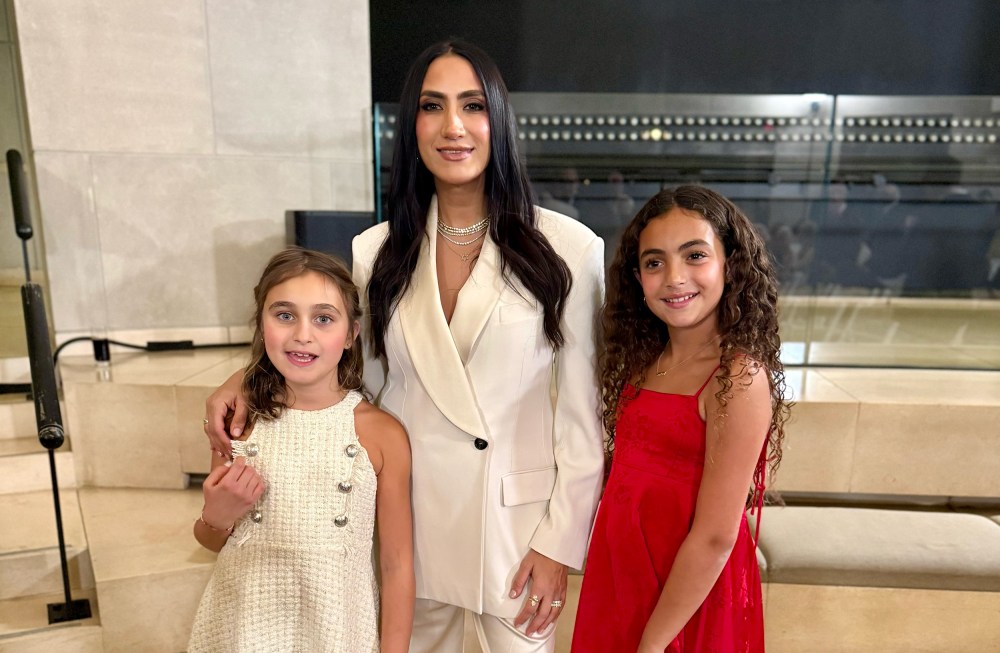
This week, I traveled to the nation’s capital to be sworn into the United States Holocaust Memorial Council Board of Trustees.
It was a moment that felt both unfathomable and inevitable. Unfathomable because a childhood defined by uncertainty, displacement, and upheaval never pointed to positions like this.
Inevitable because every step that followed, every place that sheltered us, every person who believed in me, carried me toward a life of service.
I took this oath at a time when antisemitism has risen at a pace that should alarm every American. Holocaust distortion and denial have become political tools and algorithm multipliers.
Hate crimes are climbing. Jewish students on campuses are being harassed and targeted. The lessons the world vowed to remember are being questioned, rewritten – and in some cases that distortion is celebrated. If we do not confront this moment honestly, “Never Again” becomes an empty slogan rather than a moral commitment.

Standing in the U.S. Holocaust Memorial Museum, surrounded by senators and members of Congress, by Holocaust survivors and their families, and by my own daughters, I felt the weight of history and the presence of every ancestor who survived so that I could be there. I understood that this was not just an honor – it was a responsibility I was ready to carry.
I kept seeing flashes of the path that brought me here:
My grandfather – a Kurdish rabbi whose life was defined by faith and family – hiding under the stairs as bombs shook our city.
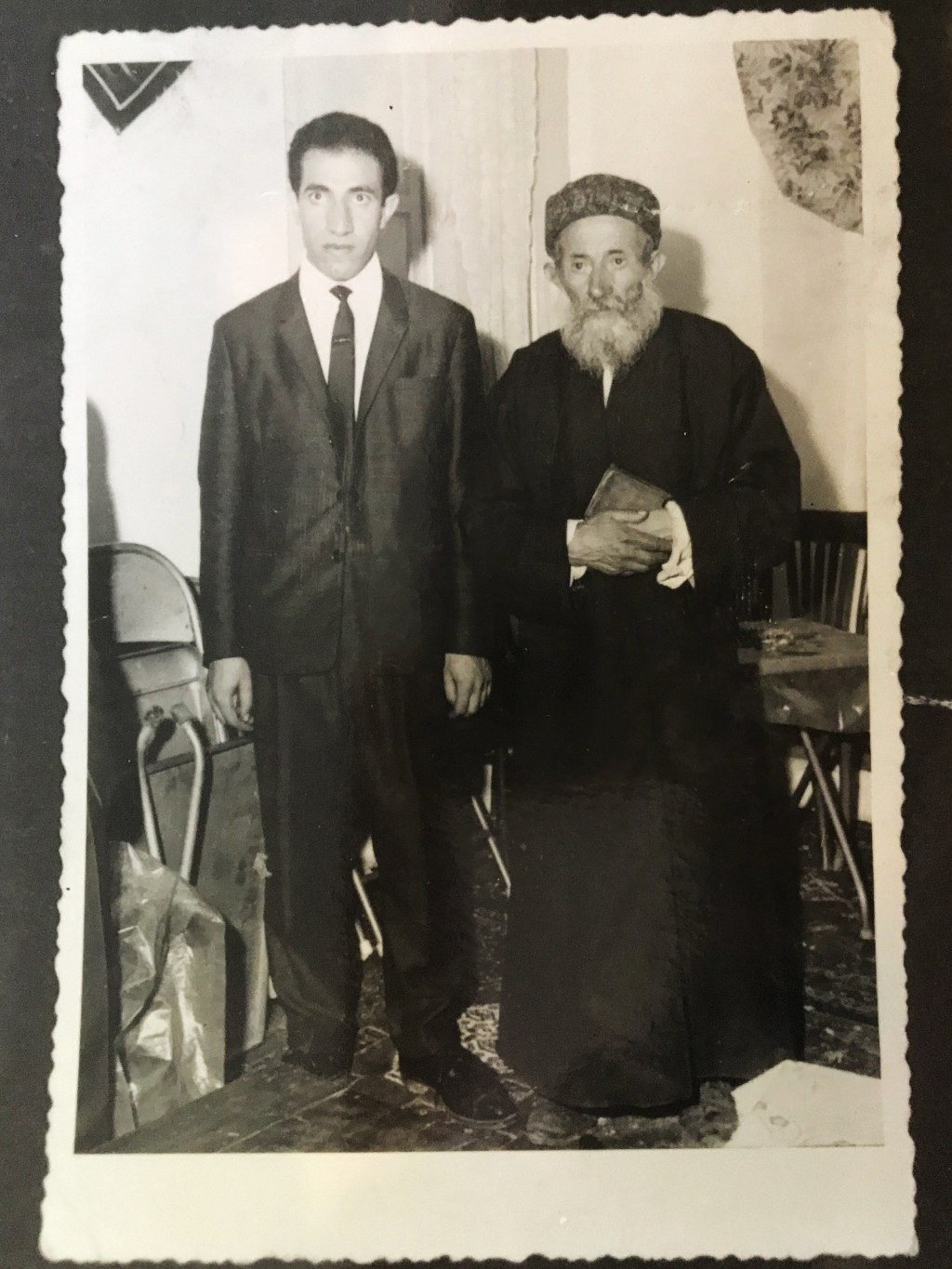
My family fleeing our home in Iran without knowing if we would ever return.
My first glimpse of hydrangeas when we took refuge in Italy.
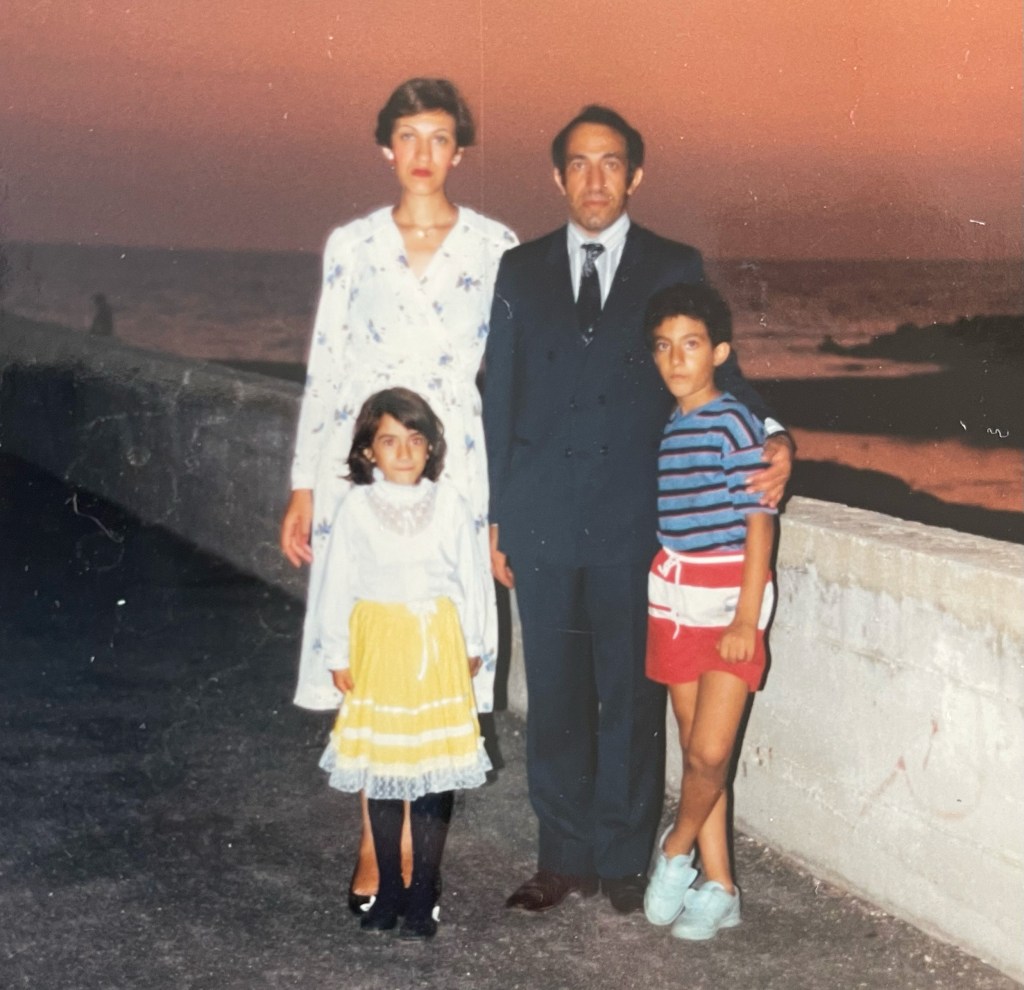
The bright lights of New York City when we arrived in America – and the feeling of freedom.
My first visit to Washington, D.C., where – as a little girl – I declared to my family that I would be a senator one day.
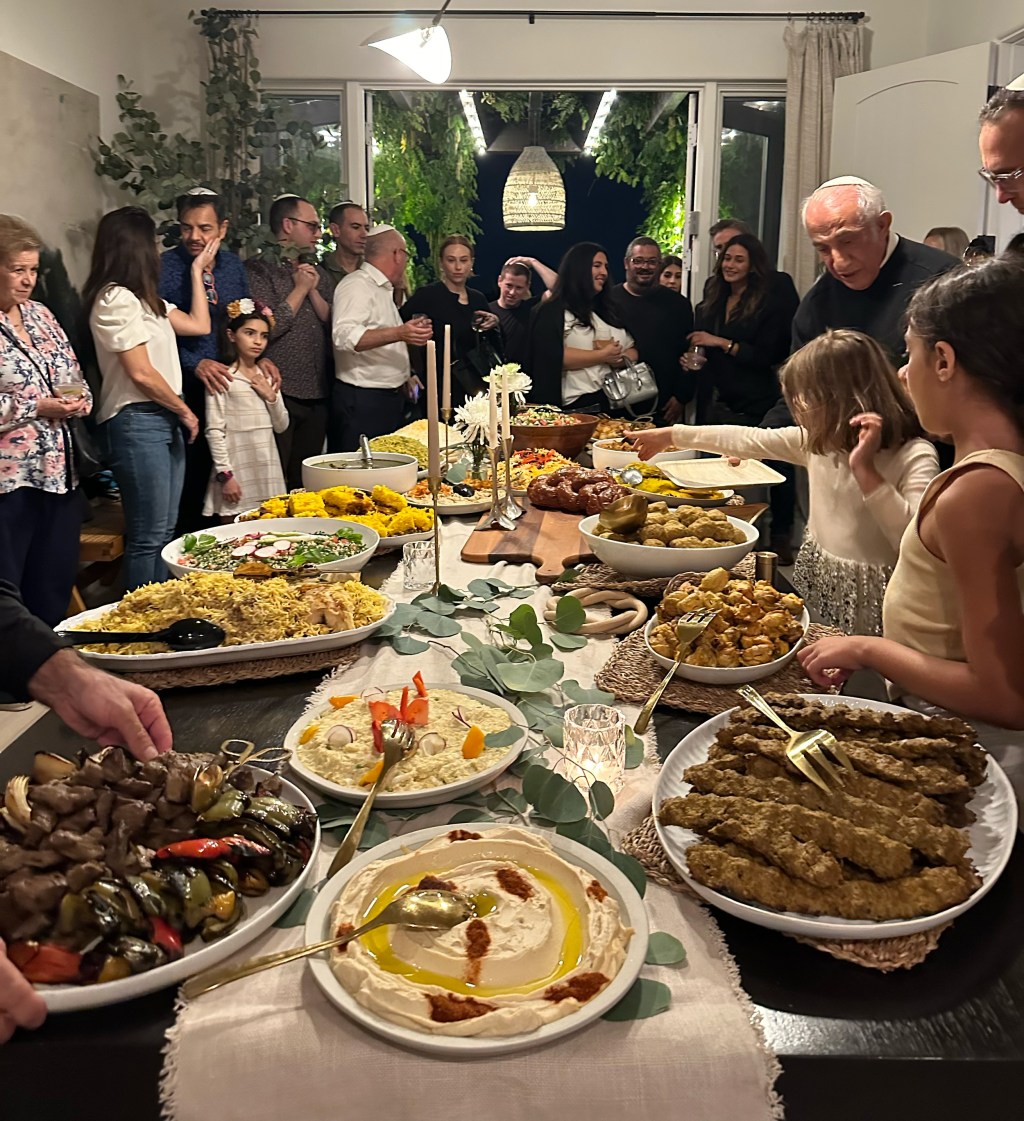
Celebrating Shabbat around tables that grounded us through every uncertainty.
Somehow, through persistence, grace and America’s open door, that little girl found her way back to the nation’s capital, entrusted with preserving a history that shaped every piece of her life.
During the ceremony, a Holocaust survivor spoke. Her voice was steady. Her memories were unimaginable. And all I wanted to do was apologize to her. I am so sorry you have to see this again. I am so sorry that the horrors you endured are being twisted into slogans and marches. I am so sorry the world failed to protect you then, and that you are watching it fail again.
My appointment is not abstract. My family fled Tehran with nothing. My grandfather prayed for a safer world he never lived long enough to see.
My husband’s family escaped Nazi Germany as children. We both came from people who ran for their lives. And now we are raising two daughters in a country that saved our families. But, once again we are confronting the same forces our ancestors fled.
That is why the question at the center of Holocaust memory feels urgent today. What does “Never Again” actually mean?
Is it a promise?
A responsibility?
A warning?
Or a question we ask ourselves when we see history repeating itself in ways that terrify us?
Earlier this month, German Chancellor Friedrich Merz visited Yad Vashem – Israel’s Holocaust memorial in Jerusalem – and reaffirmed his country’s responsibility to confront its past. His message was clear: Memory is not passive – it is a national obligation.
I believe people can learn. I believe countries can change. But we should not have to relive the darkest chapters of our past to convince the world that they were real.
“Never Again” must be more than remembrance. It is a mandate to act before hate becomes violence, before violence becomes ideology, and before ideology becomes policy. It demands that leaders reject political expedience in favor of historical truth. It requires that schools teach accurate history. It insists that silence is not an option.
When I took the oath, I looked into my daughters’ eyes. I knew exactly what I was promising. That the evil that chased my family from our home would never chase them from theirs. That the mutating virus of antisemitism, which has hunted our people for thousands of years – murdering, starving, enslaving, uprooting – would not define their future. That the denial and gaslighting of our stories would not silence them.
“Never Again” is not a slogan. It is a vow we renew every day through what we teach, what we challenge, and what we refuse to ignore.
That is the oath I took – and one I will spend the rest of my life honoring.

Mandana Dayani
Mandana Dayani is a business leader, human rights activist, and leading voice on democracy, antisemitism, and women's rights. She serves on the United States Holocaust Memorial Council, founded I Am A Voter and The Calanet Foundation, and publishes a weekly newsletter on Substack, All of It.