The Rachel Maddow Show WEEKNIGHTS 9PM ETMorning Joe WEEKDAYS 6AM ETDeadline: White House with Nicolle Wallace Weekdays 4PM ETThe Beat with Ari Melber Weeknights 6PM ETThe Weeknight Weeknights 7PM ETAll in with Chris Hayes TUESDAY-FRIDAY 8PM ETThe Briefing with Jen Psaki TUESDAYS – FRIDAYS 9PM ETThe Last Word with Lawrence O’Donnel Weeknights 10PM ETThe 11th Hour with Stephanie Ruhle Weeknights 11PM ET
Skywatchers had something to howl about on Sunday: a supermoon total eclipse.
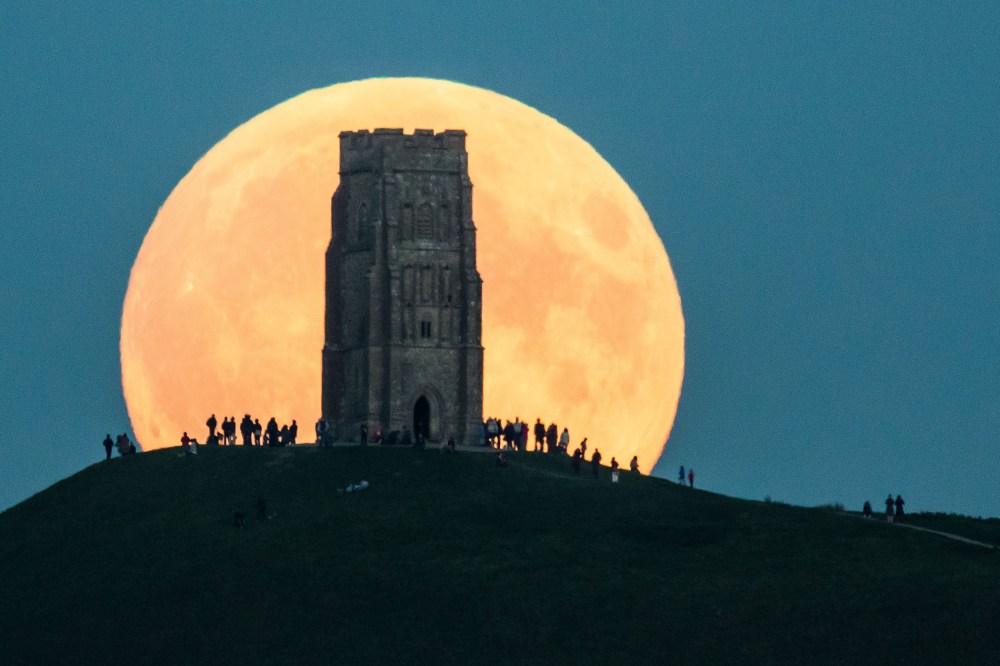
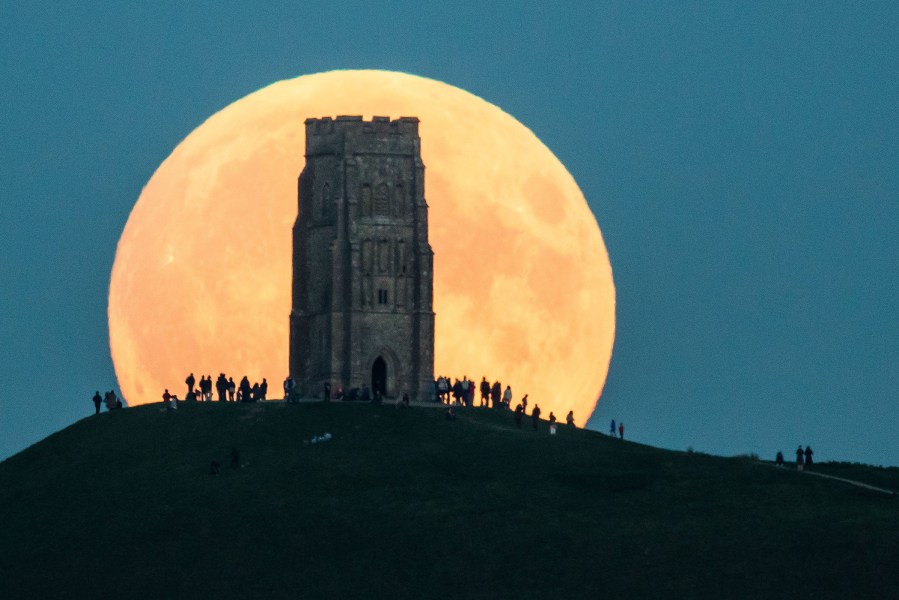
The supermoon rises behind Glastonbury Tor on Sept. 27, 2015 in Glastonbury, England. The supermoon, so called because it is the closet full moon to the Earth this year, is particularly rare as it coincides with a lunar eclipse, a combination that has not happened since 1982 and won't happen again until 2033.Getty Images
By
Olivia Kestin and
Devin Coldewey
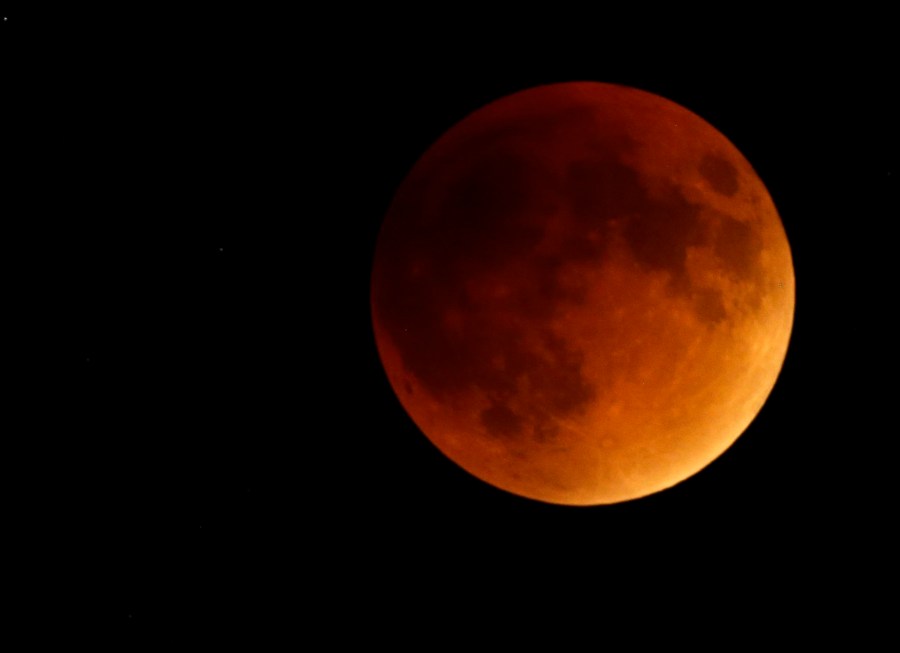
Skywatchers had something to howl about on Sunday: a supermoon total eclipse. Not only was it the best and last opportunity of the year for Americans to witness any kind of eclipse, but this particular phenomenon is extremely rare, happening perhaps five times a century. The last supermoon eclipse was in 1982, and there won’t be another until 2033.
Beginning at 8:11 p.m. Eastern (5:11 p.m. Pacific), the moon — currently full and at the closest point in its orbit, making it an extra-large, extra-bright “supermoon” — entered the shadow of the Earth, darkening it until only light refracted around the planet falls on its surface. The redness of this light gives the moon a rusty color, resulting in the nickname of this type of eclipse: a “blood moon.”
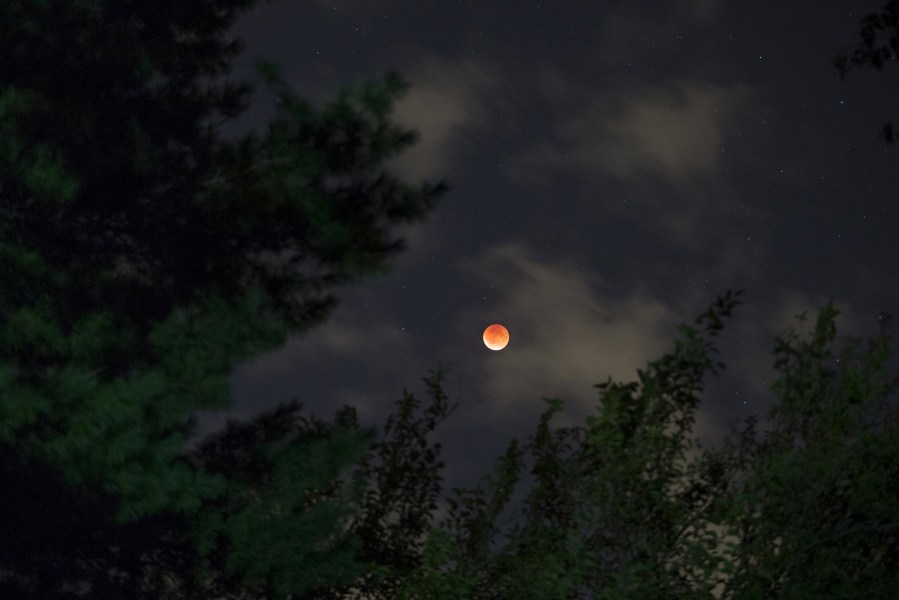
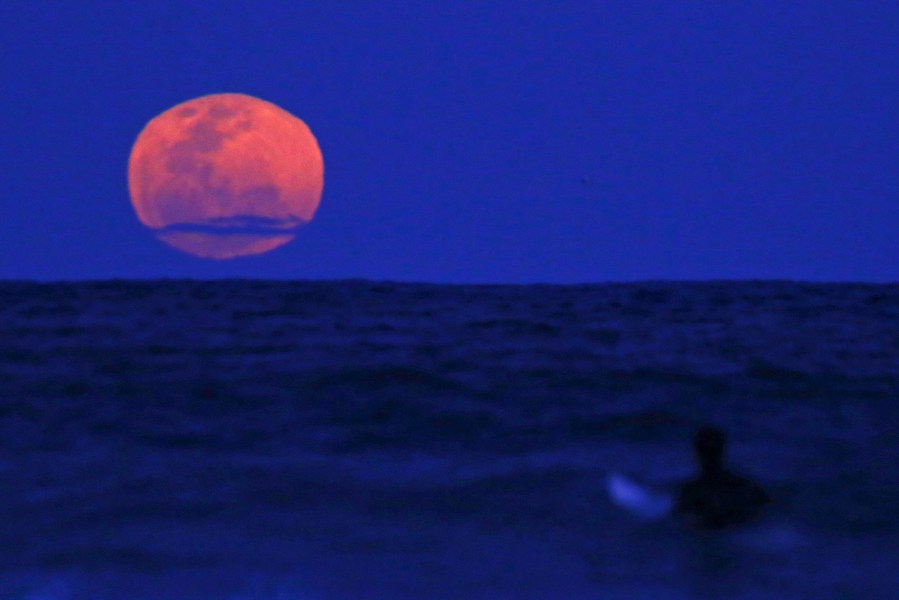
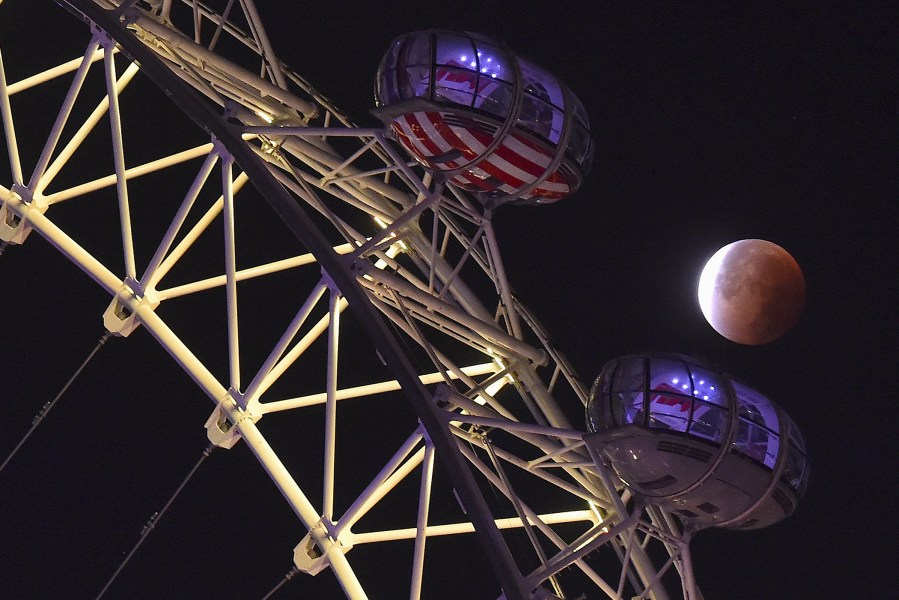
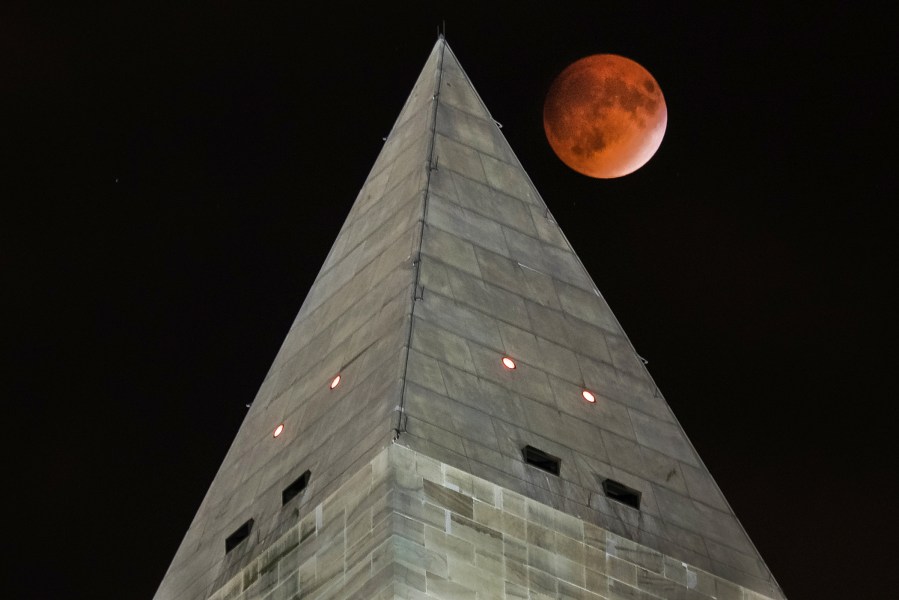
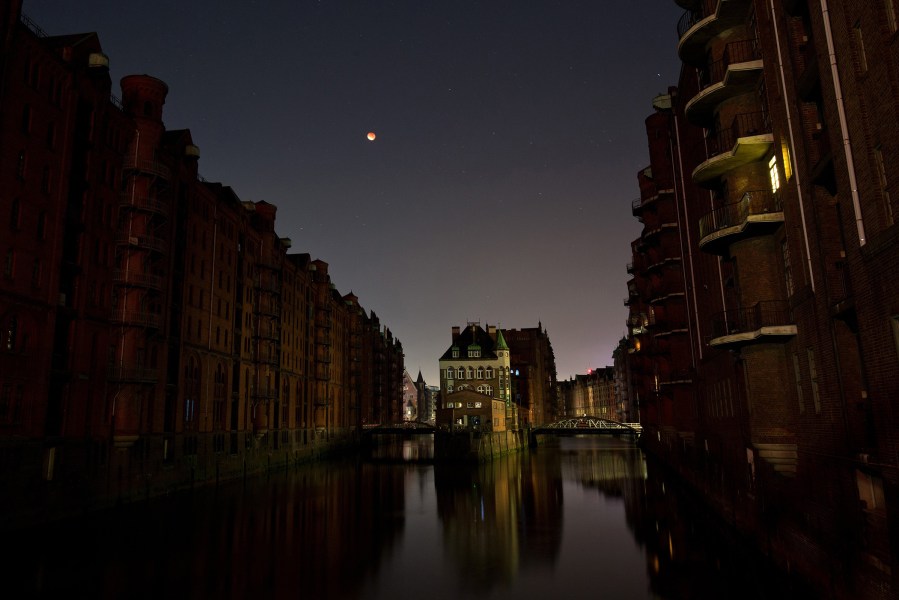
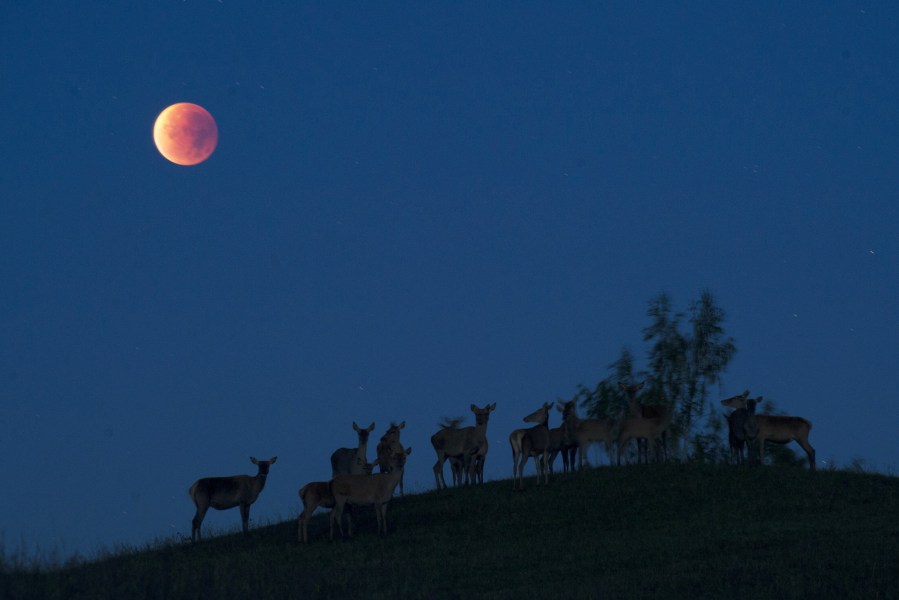
The supermoon rises behind Glastonbury Tor on Sept. 27, 2015 in Glastonbury, England. The supermoon, so called because it is the closet full moon to the Earth this year, is particularly rare as it coincides with a lunar eclipse, a combination that has not happened since 1982 and won’t happen again until 2033.Getty ImagesA supermoon rises above trees in Riverside, Conn., Sept. 27, 2015. Sky-watchers around the world were treated when the shadow of Earth cast a reddish glow on the moon, the result of rare combination of an eclipse with the closest full moon of the year. The total “supermoon” lunar eclipse, also known as a “blood moon” is one that appears bigger and brighter than usual as it reaches the point in its orbit that is closest to Earth.ReutersA surfer sits on his board as a supermoon rises in the sky off Manly Beach in Sydney, Australia, Sept. 28, 2015.ReutersA supermoon is seen during a lunar eclipse behind pods of the London Eye wheel in London, on Sept. 28, 2015.ReutersThe so-called supermoon passes behind the peak of the Washington Monument during a lunar eclipse, Sept. 27, 2015 in Washington, D.C.APThe perigee full moon, or supermoon, appears red on the night sky above the ‘Speicherstadt’ in Hamburg, Germany, Sept. 28, 2015.APReindeer are seen silhouetted against the “blood moon” during a lunar eclipse near the village of Yavterishki, some 250 kilometers north from Minsk on Sept. 28, 2015.Earth’s shadow obscures the view of a so-called supermoon during a total lunar eclipse, Sept. 27, 2015, near Lecompton, Kan. AP