




Americans are bombarded with images of primates in the media. Millions double-tap photos of spider monkeys dressed in doll clothes on Instagram, chuckle at a chimpanzee’s antics in a “One Direction” video, or laugh at a capuchin’s mischief in “The Hangover, Part II.” But behind the entertainment, a disturbing reality lurks.
Studies published in 2015 and 2021 in the scientific journal Plos One found, respectively, that positive primate cameos in media has helped fuel a dangerous increase in demand for primates as pets and that even though primates do not make good pets, demand for them is rising. Furthermore, a 2024 study published in Conservation Biology found that while contextualizing these images with conservation information raised awareness of conservation messages, it did not detract from viewers’ interest in owning primates as pets. The issue is clear: When people see primates as pets or in entertainment, even with well-intended messaging attached, the result is negative outcomes for primate welfare and conservation.
Americans are bombarded with images of primates in the media.
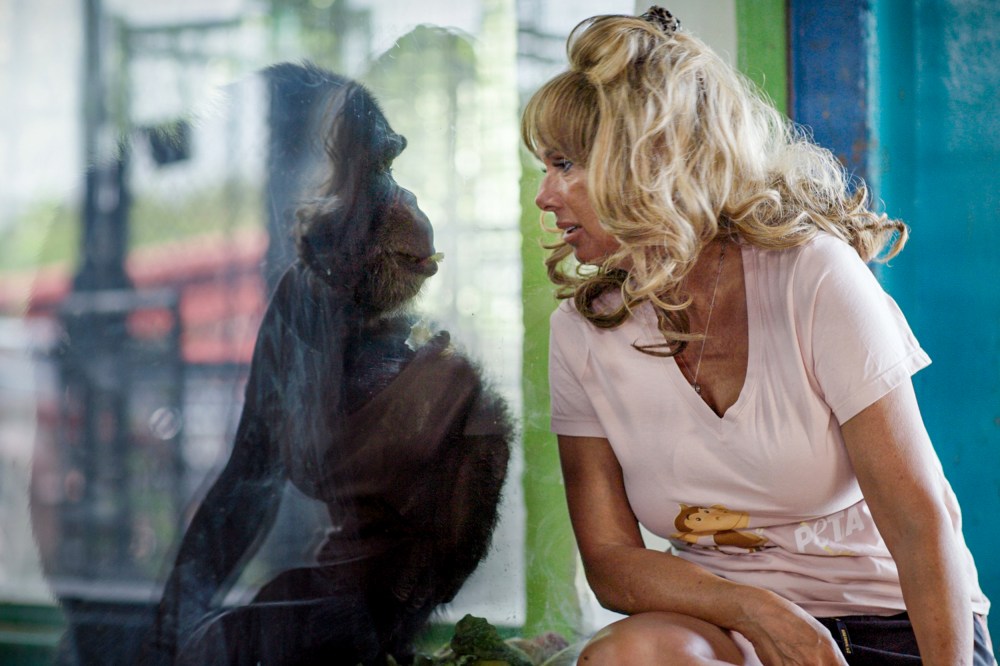
This is the issue at the heart of Max’s new docuseries “Chimp Crazy,” created by the same documentary filmmaker who produced Netflix’s smash hit “Tiger King.” This new four-part project, which will air its third installment Sunday night, chronicles the stories of four chimpanzees who lived and suffered as pets and entertainers. But it’s really just one snapshot of a much larger problem.
As primatologists and animal welfare experts, this isn’t news to us. Keeping primates as pets forces intelligent, social animals into solitary confinement with unqualified caretakers, often leading to severe psychological and physical suffering. Moreover, it fuels illegal wildlife trade and poses significant health and safety risks to humans.
Due to lax laws in many states, it is impossible to know exactly how many primates are kept as pets in the United States, though the Plos One study estimates the number was approximately 15,000 and rising in 2021. In the age of social media, where viral content drives the pet trade, the number of primates owned as pets has likely grown.


Currently, there is no federal regulation governing the private ownership of primates, despite a growing body of evidence highlighting the dangers. Research from the Lester E. Fisher Center for the Study and Conservation of Apes at Chicago’s Lincoln Park Zoo reveals that these animals suffer severe psychological and social damage from being kept as pets.
Many of the primates sold in the pet trade are bred by dealers here in the United States, but some are also wild-caught animals smuggled across borders. According to Science Advances, over 60% of primate species are threatened with extinction, a crisis exacerbated by wildlife trafficking for the pet trade.
Experts agree that primates living as pets also pose significant health and safety risks to the people around them. Often purchased as cute infants, as they grow, particularly as they reach sexual maturity, they become larger and more aggressive and will even bite, for example, out of fear, to defend themselves or to establish dominance. They also carry diseases such as salmonella, rabies, and the potentially lethal Ebola and herpes B viruses.
“Chimp Crazy” only scratches the surface of the suffering and risks associated with keeping primates as pets. But its dramatic portrayal underscores the urgent need for change, echoing the outrage we felt after watching “Tiger King.” That series mobilized the public to push for the Big Cat Public Safety Act, which now protects big cats from private ownership and improves their welfare.
Now, we have a similar opportunity to save primates from a cruel trade. We urge Congress to swiftly pass the Captive Primate Safety Act. This crucial legislation would ban the private ownership and trade of primates as pets, addressing both animal welfare and public safety concerns. It is past time for us to do right by our primate relatives.

Tina Cloutier Barbour
Tina Cloutier Barbour, Ph.D., is associate vice president of animal care and welfare at the Dallas Zoo, coordinator of the Association of Zoos and Aquariums' Chimpanzee Species Survival Plan, chair of the AZA’s Ape Taxon Advisory Group, program leader of Saving Animals From Extinction (SAFE) and co-founder and co-director of the Tonkolili Chimpanzee Project.