




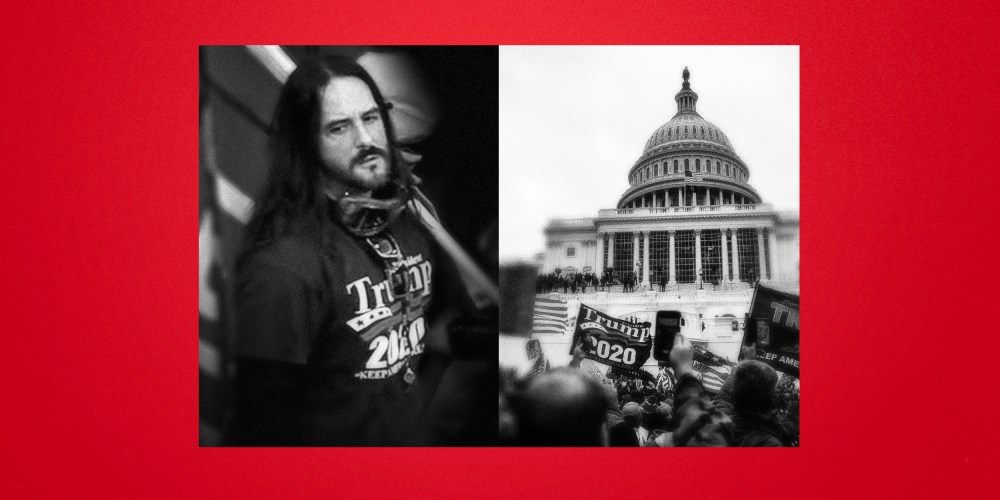
On Monday, federal Judge Randolph Moss handed down the first felony sentence against a defendant convicted for their role in the Jan. 6 riot. In cases involving multiple defendants, and multiple judges, Solomonic wisdom is often required to arrive at a sentence that sets an appropriate bar for all future related cases. With almost 600 rioters facing charges and currently awaiting their fates, the various defendants each present distinct variables that will impact their potential sentencing.
A too lenient sentence would make it difficult to sentence less culpable defendants to any prison time, while a sentence that was too harsh might force judges to exceed federal sentencing guidelines.
By arriving at an eight-month sentence for Paul Allard Hodgkins of Tampa, Florida, Moss was attempting to be both as smart as Solomon and as selective as Goldilocks. A too lenient sentence would make it difficult to sentence less culpable defendants to any prison time, while a sentence that was too harsh might force judges to exceed federal sentencing guidelines when considering far more dangerous rioters. With this context, Moss’ sentence may have been, as Goldilocks would say, “just right.”
As NBC News’ Pete Williams explained, Hodgkins “was seen carrying a large red ‘Trump 2020’ flag on the floor of the U.S. Senate during the Capitol riot.” Someone tipped off the FBI, and he was arrested Feb. 16. Williams noted that the maximum sentence Hodgkins could have received was 20 years for the single felony count of obstructing an official proceeding. But federal sentencing guidelines allow judges and lawyers to factor in all the nuances of a defendant’s conduct, remorse, cooperation and past record.

Importantly, for sentencing purposes, Hodgkins had pleaded guilty to this charge in June. In exchange for that plea, the government dropped four other felony charges. At the time Hodgkins entered his plea, Williams reported that Moss noted the sentencing “range under federal guidelines would be between one and two years” based on the circumstances of this case.
Prosecutors wanted an 18-month sentence; countering, Hodgkins’ lawyer urged the court not to impose a prison sentence at all. Hodgkins had no other criminal record, did not engage in violence inside the Capitol and told the court he was “truly remorseful and regretful for my actions, not because I face consequences but because of the damage that day’s incident caused and the way this country that I love has been hurt.”
Moss found a middle ground. The judge openly addressed the fact that he was trying to weigh all the various factors. “The court here had to consider both what I think are the extremely damaging events that occurred that day but also who Mr. Hodgkins is as an individual,” Moss said. “And as I think is reflected by the sentencing I imposed, I tried to strike that balance.”
Indeed, this balance should allow Moss and his fellow jurists plenty of room to navigate as they consider how to sentence very different defendants convicted of similar charges.
.@MacFarlaneNews on first the felony sentence for a Capitol rioter being 8 months: “What message does that send to the other defendants?” #TheReidOut #reiders pic.twitter.com/gdt9Zeex1R One sure sign that Moss found a “just right” sentence for Hodgkins is that reactions were varied. On MSNBC’s “The ReidOut,” NBC4 Washington reporter Scott MacFarlane wondered what message the sentence might send to other defendants — specifically, that judges may be loath to throw the full book at defendants. Los Angeles Times legal affairs columnist and former U.S. Attorney Harry Litman felt more positively, tweeting that “Judge Moss hit the right notes” and “gave cogent reasons for Hodgkins’s lesser liability among the insurrectionists.” Hodgkins’ defense attorney, Patrick Leduc, had blasted prosecutor claims that his client was engaged in terrorism. But in an interview after the sentencing, Luduc called the presiding judge “a brilliant jurist.” “How can I quibble” with the sentence, Leduc asked. Like Goldilocks testing porridge temperatures with hungry bears on their way home, Moss had to make his decision with the understanding that the threat manifested on Jan. 6 could return. He knows there are more dangerous bears out there than Paul Hodgkins, and his sentencing decision will allow our justice system to deal with that threat when they return to court.

