




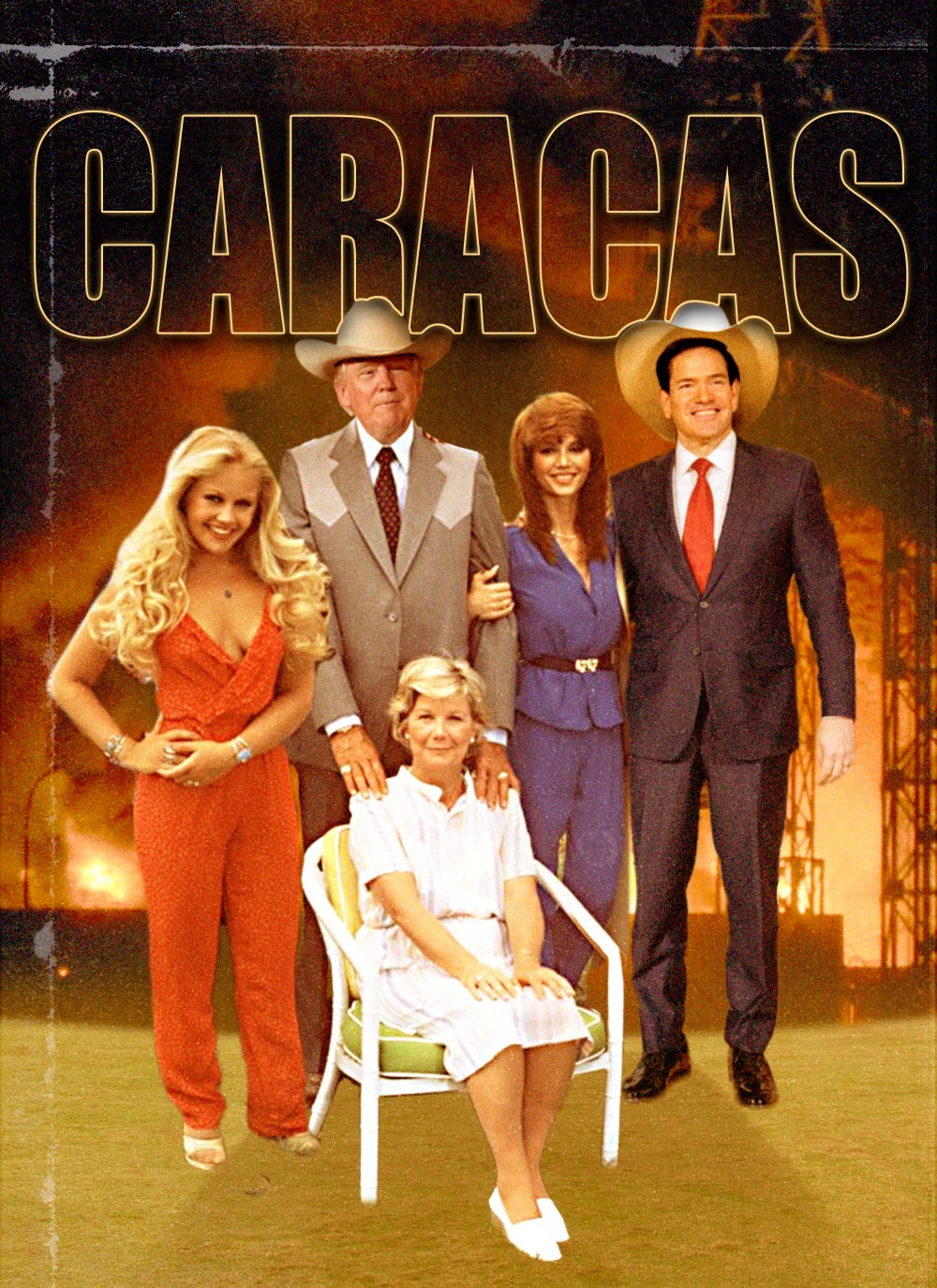
This is the Jan. 6, 2026, edition of “The Tea, Spilled by Morning Joe” newsletter. Subscribe here to get it delivered straight to your inbox Monday through Friday.
Donald Trump was excited and proud yesterday when I spoke with him by phone to gain insight into his decision to launch a military attack on Venezuela.
The president spent most of the 20-minute call recounting the U.S. military’s flawless execution of the operation — and the courage shown by those who raided Nicolás Maduro’s fortress and quickly dispensed with the scores of Cuban troops guarding the Venezuelan dictator.
Trump concluded his summary of the attack by noting the message this sends to Vladimir Putin, Xi Jinping, and Iran.
As with most conversations I’ve had with Trump over two decades, the challenge was finding a break to get in a question.
When the opportunity came, I noted that most consider the military’s operation itself to be flawless. But my questions were about what comes next: Was there a plan for timelines for reconstruction, elections, and democracy?
The president’s answers largely echoed what he has said publicly. But when I pressed him on comparisons to America’s failed occupation of Iraq, his response was very different.
“Mr. President, when you say ‘we’re going to run everything,’ that causes deep concerns because of the disaster of Iraq.”
“Joe, the difference between Iraq and this is that Bush didn’t keep the oil. We’re going to keep the oil.”
To underline the point, Trump said his comments were no longer on background.
“In 2016, I said we should have kept the oil in Iraq. It caused a lot of controversy. Well, we should have kept the oil. And we’re going to rebuild their broken-down oil facilities and keep the oil.”
Saying the United States is entering a new era of geopolitical engagement seems to be an understatement. Donald Trump’s brazenness draws from 19th century imperialism. His State Department declared yesterday that this is “our hemisphere,” while Stephen Miller told CNN’s Jake Tapper that Greenland could be next.
The question now for America and its neighbors is how far the administration will actually go in conducting military operations across the hemisphere — and whether Congress will fulfill its constitutional duties before the next military action begins.
“We’re going to keep the oil.”
— President Trump yesterday in an exclusive interview with Joe
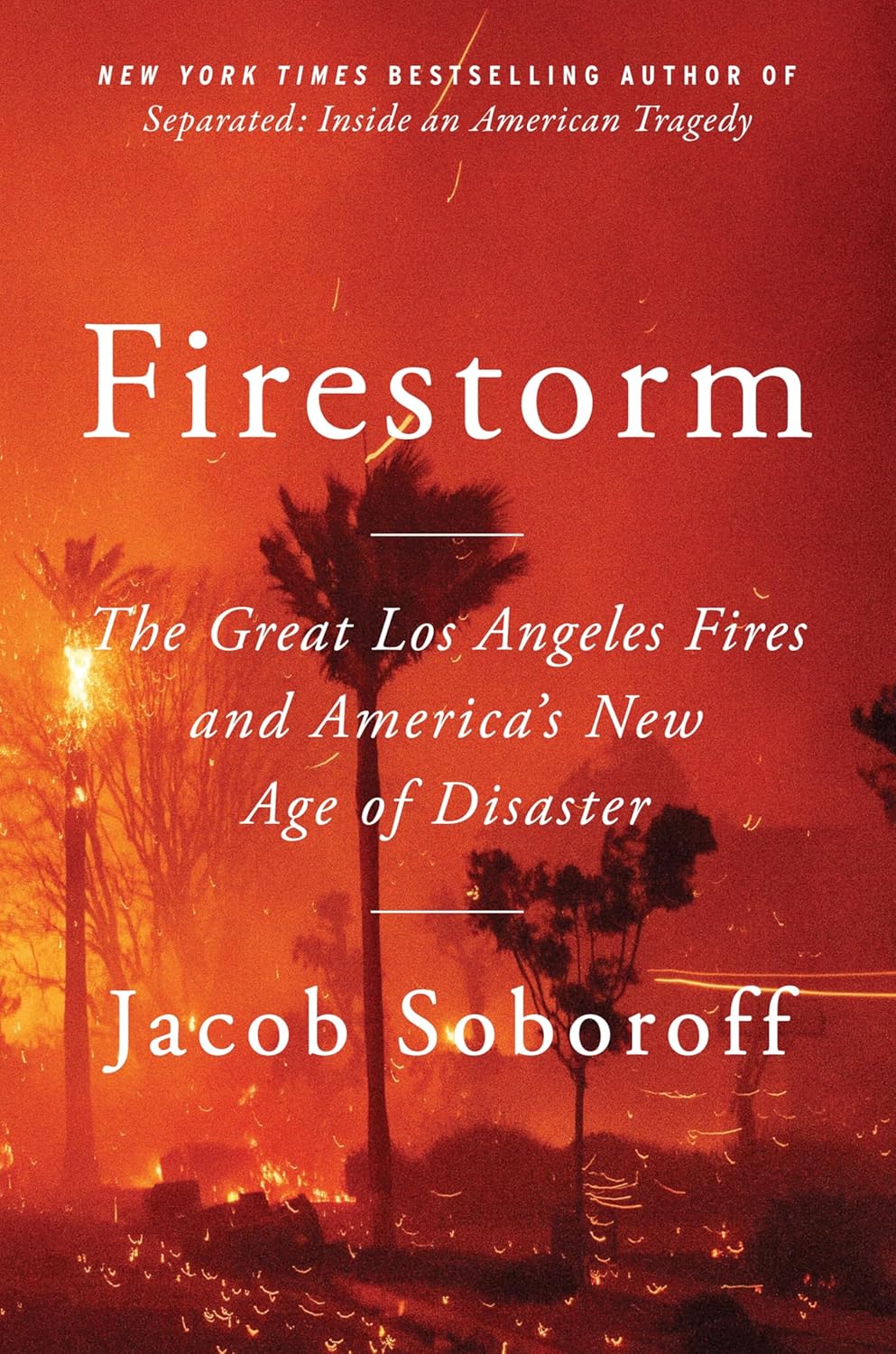
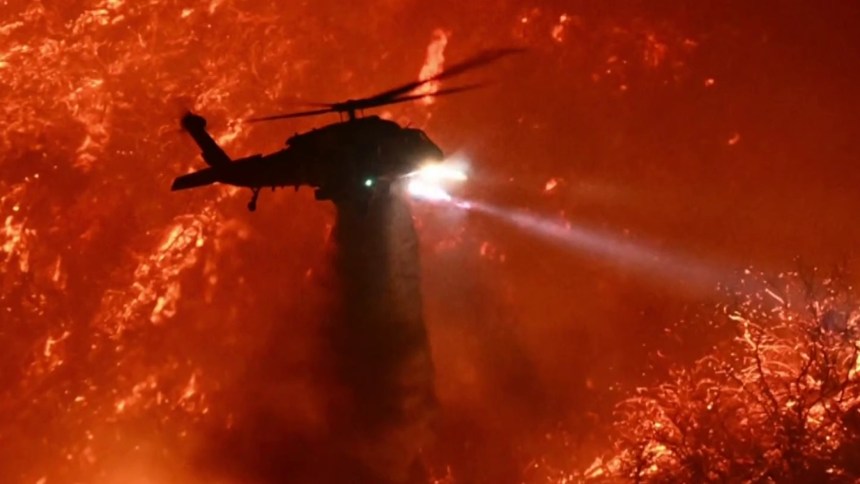
Almost exactly one year ago, disaster struck Los Angeles County with the outbreak of the Palisades Fire, followed quickly by the Eaton Fire. Today, MS NOW senior political and national reporter Jacob Soboroff joined “Morning Joe” to discuss his reporting on the Pacific Palisades wildfires that devastated the town where he grew up, to coincide with his new book, “Firestorm: The Great Los Angeles Fires and America’s New Age of Disaster.”

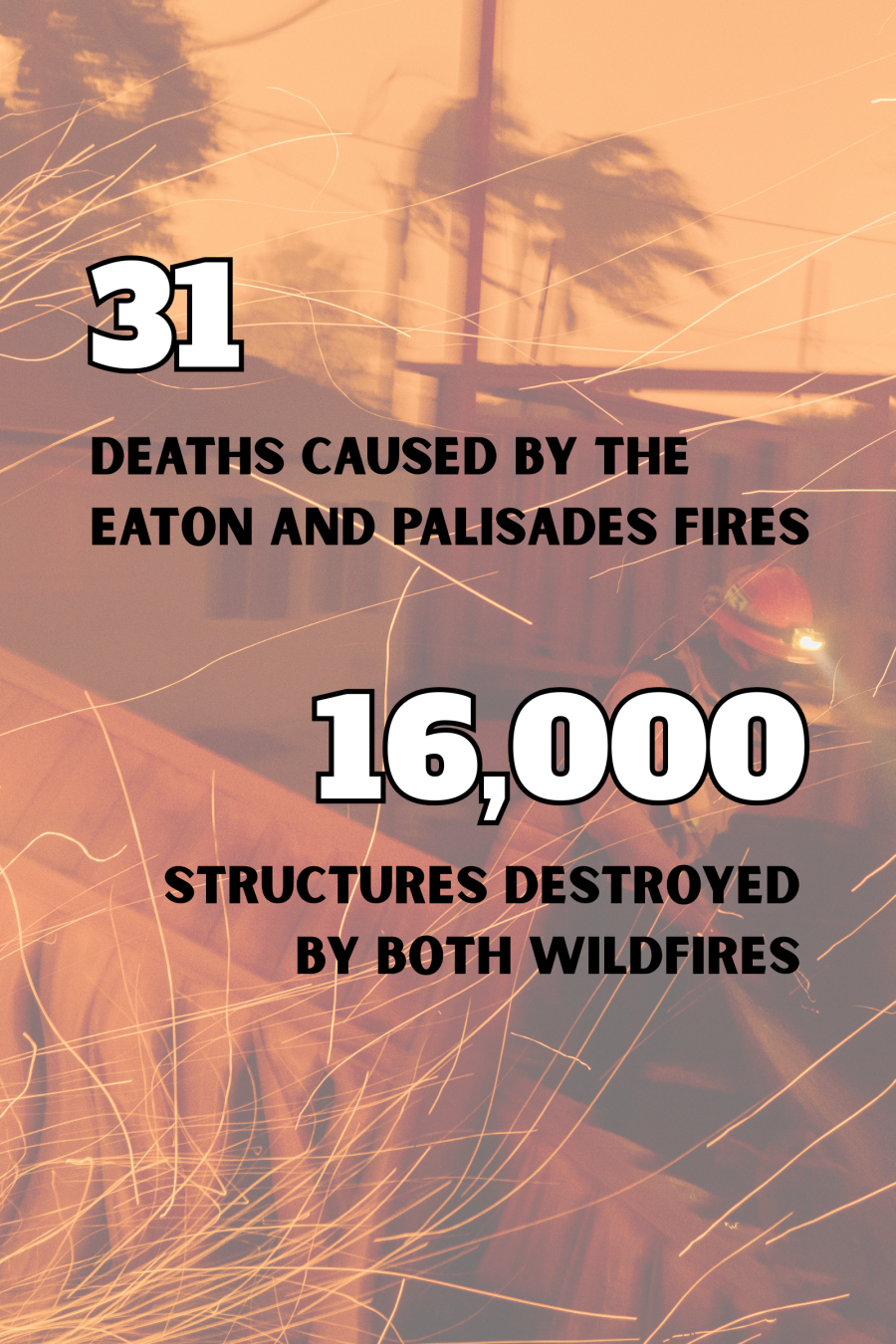
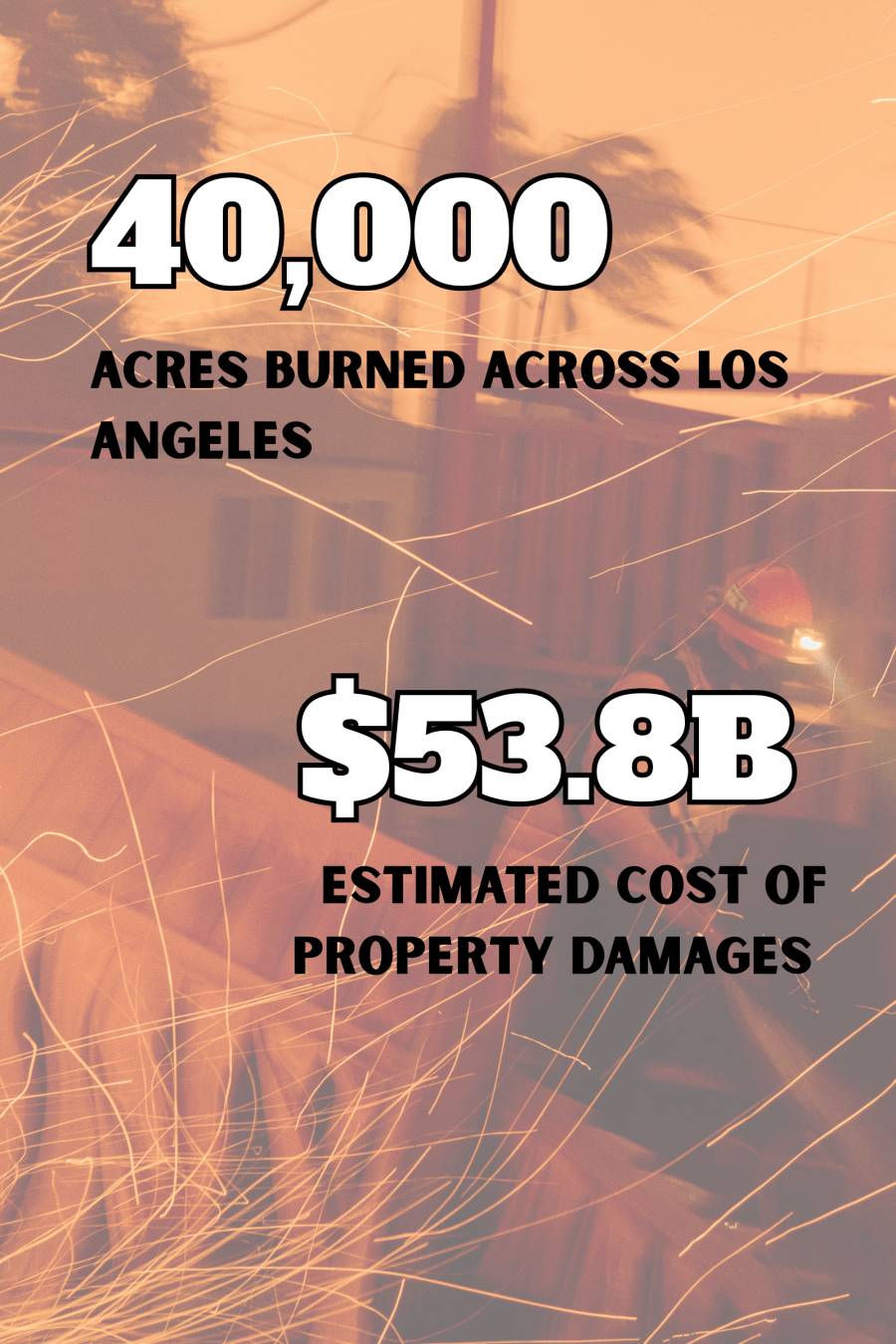
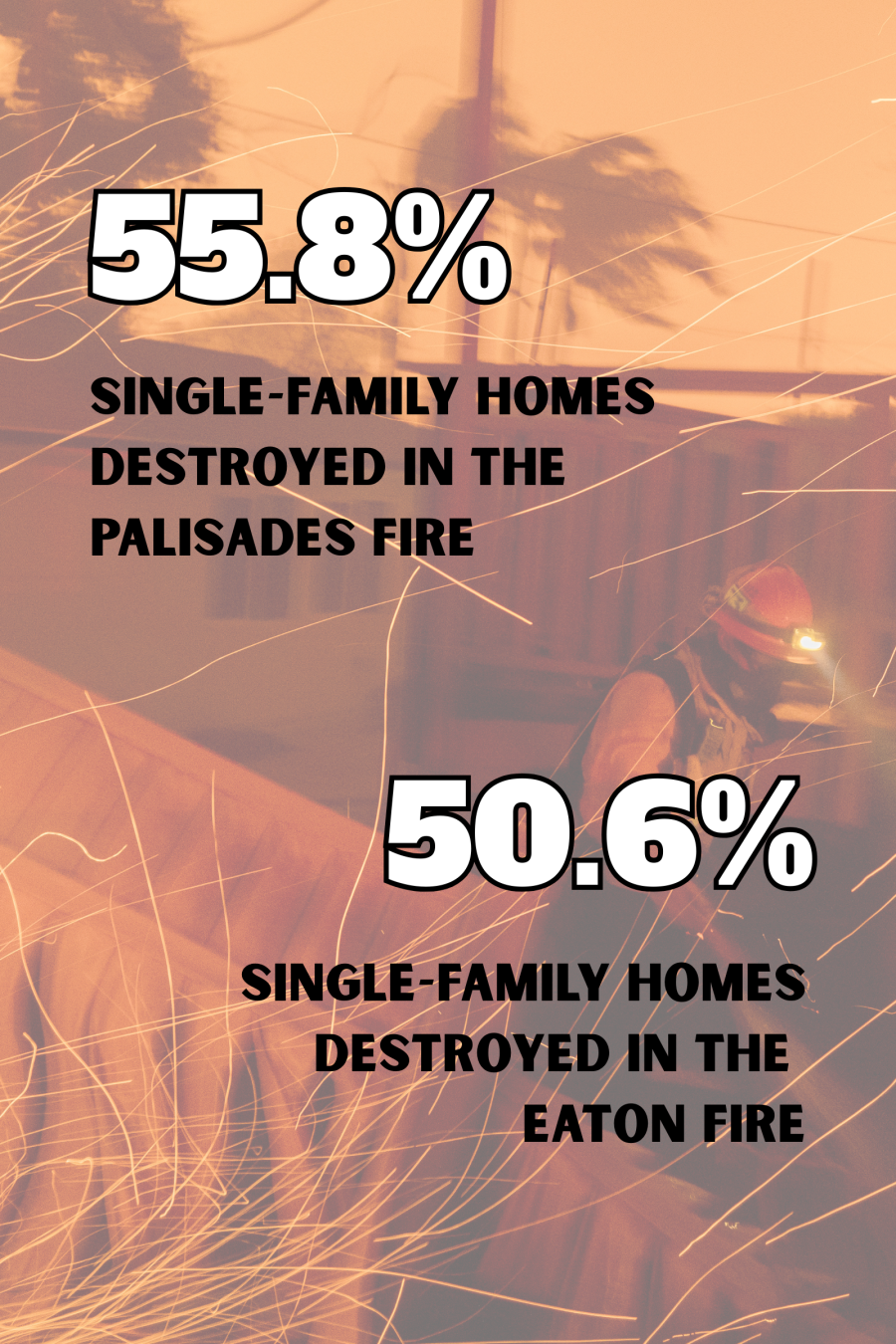
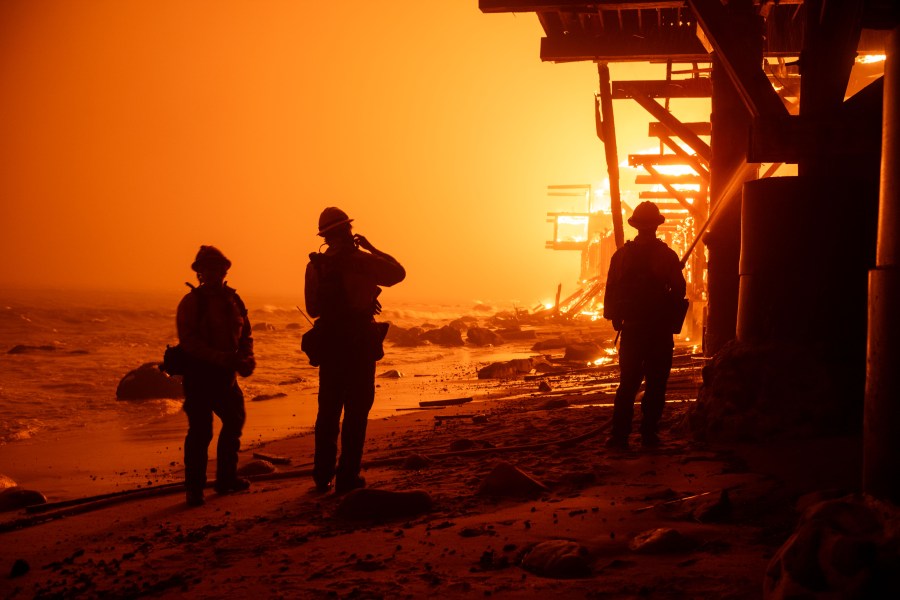
Photos: David McNew/Getty Images, David Crane/MediaNews Group/Los Angeles Daily News via Getty Images
Source: MS NOW, Los Angeles County Economic Development Corporation
Adam Grant on Achieving Your New-Year Goals
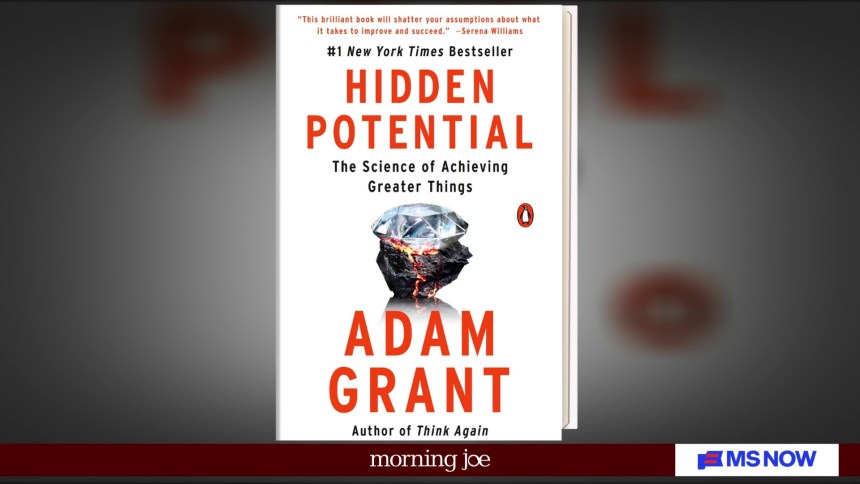
We spoke with bestselling author and organizational psychologist Adam Grant this morning about how to keep your New Year’s resolutions.
I gave a copy of his book “Hidden Potential: The Science of Achieving Greater Things” to each of my four children last year. It’s a must-read.
A CONVERSATION WITH REP. JIM HIMES
Two days after the Trump administration’s surprise raid in Venezuela, senior officials briefed lawmakers behind closed doors on the mission and its aftermath.
Rep. Jim Himes, the top Democrat on the House Intelligence Committee, praised the operation’s execution — but warned that there is still no clear plan for what comes next.
We talked with the congressman about Trump’s plan to seize oil, Republicans’ reluctance to exercise their constitutional power, and war crimes Himes says were committed in the Caribbean.
JS: Congressman, let’s start with yesterday’s classified briefing. What did you learn?
JH: Seventy-five percent of the meeting was the chairman of the Joint Chiefs of Staff recounting a truly remarkable raid — one of the most complex things that the U.S. military has ever done. The other 25% was deeply concerning and revealed the administration’s lack of planning for what happens in Venezuela after the attack.
JS: Before this happened, had lawmakers been told an operation like this was possible?
JH: I was in numerous meetings where the most senior senators asked whether there were plans to conduct a military operation in Venezuela. And the answer was “absolutely not.”
JS: What was their justification for the military operation? Drugs? Oil?
JH: You should take the president at his word — he mentioned oil 22 times in his press conference. Oil is driving this.
Willie: The White House says Congress wasn’t briefed to avoid leaks. Do you buy that?
JH: The leaks argument is crazy — and so is the claim that this is not a war. Twenty percent of all U.S. Naval combat power was involved, and this ended up being a hundreds-of-millions-of-dollars expenditure.
JS: Do you see Republicans ever stepping in to fulfill their constitutional role as a check on the president’s war-making power?
JH: Not in any public way. We are in a geopolitical race with the Chinese right now, and the one clear distinguishing advantage we have is our allies. Unfortunately, Donald Trump is telling our allies to go pound sand 24/7.
JS: I’m dismayed that more Republicans haven’t spoken out about the classified footage of the Sept. 2 U.S. strike on two men stranded at sea. Would you explain why you’ve called that video some of the most disturbing images you’ve ever seen?
JH: These two guys were no more than 45 minutes away from slipping under the waves. The Navy watched them for a long time — and then we incinerated them. When you see that video, everything changes for you. Because you say: I may hate drug dealers, but I love my country. And the reason we’re a great country is because we are so much better than this.
WHY DENMARK’S VACCINE SCHEDULE DOESN’T FIT AMERICA
– Dr. Vin Gupta, MS NOW Medical Analyst
The CDC will immediately move toward a childhood vaccine schedule that more closely resembles Denmark’s — fewer routine vaccines, given later or to narrower groups. It’s an idea that sounds simple. But in public health, context is everything.
Denmark’s schedule works because Denmark’s system works. The country has universal health care, near-universal vaccine uptake, centralized medical records, and low child poverty. The United States has none of those at scale. Our health care system is fragmented, access is uneven, and disease risk varies dramatically by ZIP code. Vaccines here don’t just prevent disease — they help compensate for structural gaps.
Take influenza. In a bad U.S. flu year, 200 to 300 children die. That’s why the U.S. recommends flu vaccination for all kids, while Denmark does not. The same logic applies to hepatitis, measles, and other infections that resurge quickly when coverage slips. When U.S. vaccination rates fall, disease returns — not hypothetically, but historically. We’re seeing it as we speak, with historic-level surges in flu and measles that are not coincidental but the direct result of RFK Jr.’s ideologically driven tenure.
Public trust doesn’t come from fewer shots. It comes from transparent science and clear communication. Parents who are confused or concerned should talk with their child’s pediatrician — still the most trusted source of vaccine guidance — and rely on evidence, not comparisons stripped of context.
One country’s schedule isn’t a shortcut to better health. Protecting American children requires American solutions, grounded in American realities.
ONE MORE SHOT
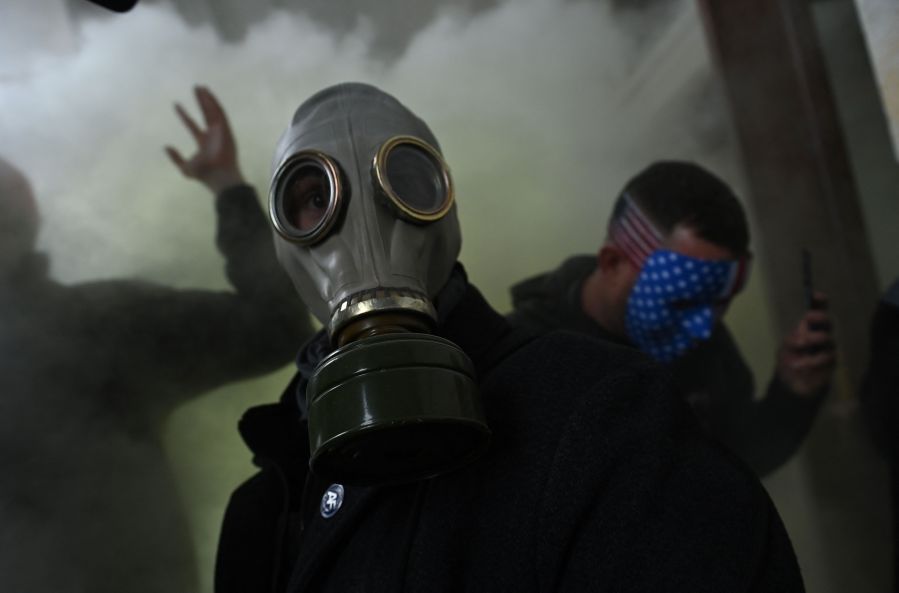
A supporter of U.S. President Donald Trump wears a gas mask as he protests during the violent siege of the U.S. Capitol on Jan. 6, 2021. Four police officers on duty on the Hill that day would die in the weeks and months following the attacks.
SPILL IT!
In the coming weeks, actor and comedian Sean Hayes will join us to discuss his new off-Broadway show, “The Unknown,” and actress and writer Jeanette McCurdy will join us to talk about her new novel, “Half His Age.”
Have a question for them? Ask here, and we may feature your question on the show.
CATCH UP ON MORNING JOE


This has been The Tea, Spilled by Morning Joe. See you next time!

Former Rep. Joe Scarborough, R-Fla., is co-host of MS NOW's "Morning Joe" alongside Mika Brzezinski — a show that Time magazine calls "revolutionary." In addition to his career in television, Joe is a two-time New York Times best-selling author. His most recent book is "The Right Path: From Ike to Reagan, How Republicans Once Mastered Politics — and Can Again."