




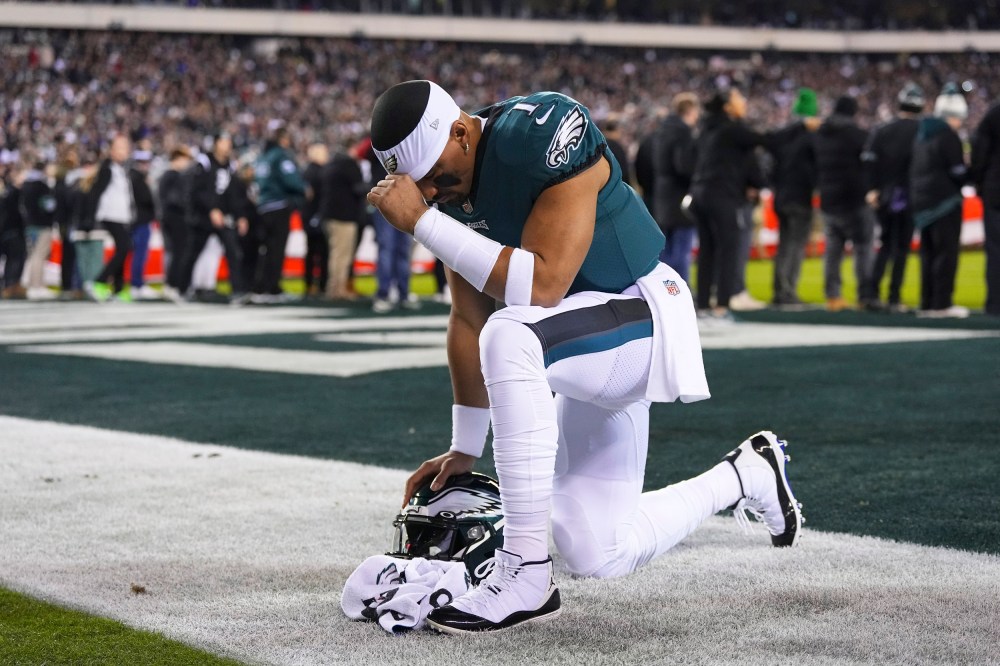
Among the advertisements you’ll see during Sunday’s Super Bowl, in between promotions for cars or candy or beer, will be plugs for a completely different kind of product: Jesus. A nonprofit organization called the Signatry is behind the $20 million buy, the latest in an ad campaign titled “He Gets Us.” The two new ads, part of a larger $100 million effort that launched last March, might seem like an earnest attempt to recast Jesus in a contemporary light. In truth, the campaign, funded by wealthy evangelical families, is aimed at rehabilitating the donors’ own tarnished image in the post-Trump era.
The He Gets Us campaign’s previous ads, which have been running on television for nearly a year, portray Jesus less as a messiah and more as a sympathetic and brave friend who will redeem us from the harms of divisiveness. An ad titled “Dinner Party,” which says that Jesus wanted to host all people for a feast of compassion, describes him as “radically inclusive,” someone who “went out of his way to care for people whom society had rejected” and “embraced people in historically oppressed races and ethnic communities.”
The Jesus of the He Gets Us ads is not the Jesus of the Christian right, which advocates exclusion of marginalized people, or of the MAGA world.
So far, so harmless. Another ad, titled “Outrage,” presents still photos of angry people and protesters as the narrator tells us that Jesus was a “controversial figure” who was “trolled” and called “ugly names. But he never took the bait.” Jesus, the ad says, “had to control his outrage, too.” Yet it is precisely this trope that outrage is bad, and one must suppress it, that hints to what is so wrong with these ads.
The Jesus of the He Gets Us ads is not the Jesus of the Christian right, which advocates exclusion of marginalized people, or of the MAGA world, where Jesus is inextricably tied with Trump. But the wealthy evangelical families backing the ads come from those worlds. In November, David Green, the multi-billionaire founder of the Hobby Lobby crafts store chain, told former Fox News host Glenn Beck that his family was one of those behind the “He Gets Us” ad campaign.

To explain why Jesus needed the Madison Avenue treatment, Green cited standard right-wing falsehoods about the government’s supposed persecution of Christians. “Things have gone pretty much south on a daily basis [in the U.S.],” he said. “I can’t even imagine what the government’s asking us to do, and how they’re coming against us, if you want to be a Christian.” He complained that “we’re seen as the haters,” but “we’re the one that’s got the best and the greatest love story in the world,” the story of Jesus and his sacrificial death.
That claim of both persecution and superiority lies at the heart of the Christian right’s long campaign to eviscerate church-state separation and expand religious freedom for themselves. But contrary to Green’s comments, they are not victims of an overbearing, all-powerful government. Most prominently, they have a stronghold in the Supreme Court’s conservative majority. In 2014, that majority ruled that federal regulations under the Affordable Care Act that required employers to provide cost-free contraception coverage through their health care plans violated the Green family’s religious rights as owners of Hobby Lobby.


If Jesus got a bad rap while Trump was president, it is no one’s fault but that of the right-wing Christians who could have rejected him but instead venerated him.
Add to that the overturning of Roe v. Wade and the Supreme Court’s gradual dismantling of church-state separation, and it’s clear that conservative Christians have been winning the major battles that are reshaping the legal landscape — at the expense of everyone else. The Signatry, the organization behind the He Gets Us ads, contributed more than $30 million from 2018 to 2020 to the Alliance Defending Freedom, a right-wing Christian legal group that has experienced enormous success in Supreme Court decisions that expanded rights for conservative Christians while eviscerating the separation of church and state. Outside the courtroom, just ask the parent of a trans child or a red state public librarian with LGBTQ-themed books in her collection who the victims are in the culture wars.
Green seems to have forgotten that under four years of former President Donald Trump, conservative evangelicals had a trusted ally in Washington, not a hostile administration. The Museum of the Bible, another project of the Green family, in a gesture of gratitude, in 2017, presented Trump with a gift of an original 1611 King James Bible. The former president, revered by the vast majority of white evangelicals despite his manifold sins and blatant ignorance of the Bible, led more people to identify as evangelical than to abandon the label during his scandalous presidency.
Perhaps that’s precisely what concerns the backers of the He Gets Us campaign. Trump, and the evangelicals who made his presidency possible and parrot his lies and conspiracy theories, are not the best brand ambassadors. Generating positive buzz from Super Bowl ads about a kinder, gentler version of Christianity could be a valuable deflection from relentless assaults on LGBTQ people, Christian nationalists’ influence on the Jan. 6 insurrection, and a newfound zeal for criminalizing abortions and even miscarriages after Roe was overturned.
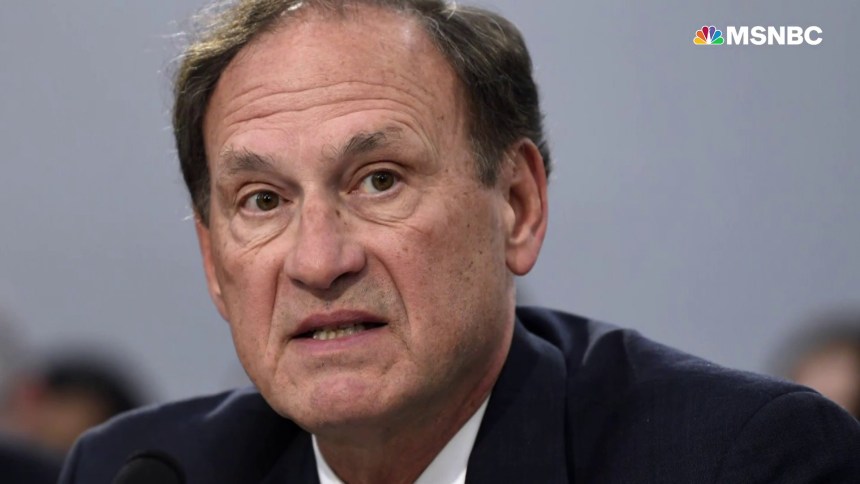
The He Gets Us ads are aimed not only at whitewashing this problematic image but also at defusing anger over the damage done by the Trump era. They suggest that if you are angry about Trump or his unholy alliance with white evangelicals or about the end of abortion rights or the demeaning of queer people, you need to hold it in. Don’t get angry; instead befriend Jesus, who “gets” you, and everything will be all right.
If Jesus got a bad rap while Trump was president, it is no one’s fault but that of the right-wing Christians who could have rejected Trump but instead venerated him. If a radically inclusive Jesus has been eclipsed by anti-LGBTQ hate, it’s because that’s the message of the Christian right. Jesus might get some positive buzz from these Super Bowl ads. But that shouldn’t be confused with who’s provided the $20 million spent to run them.

Sarah Posner
Sarah Posner is the author of "Unholy: How White Christian Nationalists Powered the Trump Presidency, and the Devastating Legacy They Left Behind."