




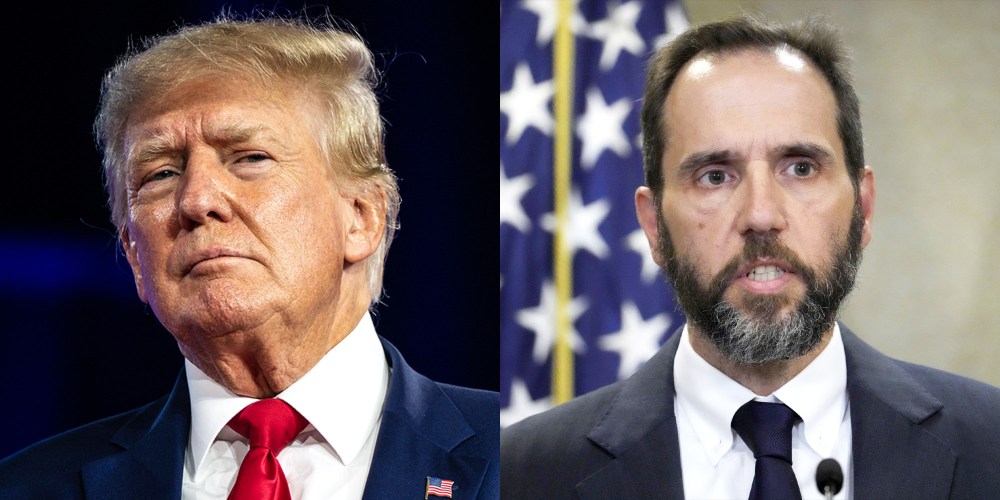
Since Jan. 6, 2021, we have been forced to live with the unfathomable: a president of the United States encouraged an attack on the Capitol designed to undermine the very democracy he was elected to protect and preserve. Adding insult to injury, after witnessing with our own eyes Donald Trump telling an angry mob that they must “fight like hell” or they “won’t have a country anymore,” then directing them to go the Capitol and “stop the steal,” the American people have waited for a full 2 ½ years for Trump to be held accountable for his obvious, readily provable crimes.
Trump has now been criminally indicted by a grand jury at the E. Barrett Prettyman U.S. Courthouse in Washington — just a stone’s throw from the Capitol crime scene — for his attempt to end our representative democracy altogether, by overriding the expressed will of the American voters and unlawfully install himself for a second presidential term.
This last factor — what the law calls “general deterrence” — is perhaps the most important vis-à-vis Trump’s crimes regarding Jan. 6 and the 2020 election.
This indictment is as important as it is historic. The principles of prosecution set out that the government charges those who break our society’s laws for several reasons: to vindicate the rights of the victim; to protect others in the community who would otherwise be subjected to the continued crimes of the offender; and to hold accountable those who choose to violate the laws that represent the considered values of the citizenry, as embodied in the criminal statutes enacted by the peoples’ duly elected representatives. Another important principle, though one generally associated more directly with sentencing a criminal defendant, is deterring others from committing the same or similar crimes. This last factor — what the law calls “general deterrence” — is perhaps the most important vis-à-vis Trump’s crimes regarding Jan. 6 and the 2020 election.


Since John Adams yielded the presidency to Thomas Jefferson more than 200 years ago, the peaceful transfer of presidential power has been a hallmark of our constitutional form of government. It is a thing of democratic beauty — if not an outright miracle — proving the viability of successful self-governance. Whether via Trump’s pressure campaign on Mike Pence — urging his own vice president to refuse to certify the electoral vote count — his fake elector scheme, or the Jan. 6 attack on the Capitol, Donald Trump tried his nefarious best to derail that peaceful transfer of power.
If Trump was not held to account in a court of law for his democracy-busting crimes, then every four years, Jan. 6 of the year following a presidential election could very well look like Jan. 6, 2021. If federal prosecutors, whether acting as part of the Department of Justice or through a duly appointed special counsel, declined to charge Trump with crimes related to the 2020 election, that would represent the DOJ putting its stamp of approval on everything Trump did in his quest to retain the power of the presidency. If Trump went unindicted, there would be a reasonable, even robust argument that the DOJ inarguably concluded that Trump committed no crimes whatsoever regarding anything to do with the election, because if his acts had been criminal, surely the DOJ would have charged him.
Even before this indictment, Trump was facing multiple criminal trials in both state and federal courts. But this particular indictment, for crimes involving Trump’s attempt to corruptly negate the expressed will of the American voters, was necessary to even have a shot at a healthy, indeed a viable, American democracy in the future. If these crimes went unaddressed, it would give future aspiring dictators the green light to do it all again. That is a circumstance our nation could not long endure.

Glenn Kirschner
Glenn Kirschner, a former assistant U.S. attorney for Washington, D.C., is an NBC News and MSNBC legal analyst.