




Just a “bookkeeping error.”
That’s how Rep. Jim Jordan, R-Ohio, has characterized the crimes alleged in the indictment of former President Donald Trump. In fact, Manhattan District Attorney Alvin Bragg charged Trump with 34 counts of falsifying business records to conceal other crimes. Politics no doubt animates some of the more hysterical responses to the charges. But they are also a good reminder that people of all political stripes too often dismiss the seriousness of so-called white-collar crime.
Offenses committed by the business elite can be just as serious as those committed by street criminals.
In reality, offenses committed by the business elite can be just as serious as those committed by street criminals. In fact, I would argue that in some cases, white-collar crime is more egregious than crime committed by destitute people desperate for cash. These are crimes often motivated by greed, instead of need.
And minimizing white-collar crime also ignores its victims — individuals and our society at large. The category includes investment fraud, like the scheme perpetrated by Bernie Madoff, who wiped out the life savings of some of his clients. It also encompasses cases of public corruption, as with former Illinois Gov. Rod Blagojevich, who, among other things, tried to sell the U.S. Senate seat vacated by Barack Obama, preparing to leave the people of Illinois represented by the highest bidder rather than by someone who would best serve their interests. Far from “bookkeeping errors,” these kinds of crimes can cause financial ruin and undermine the foundation of democracy.
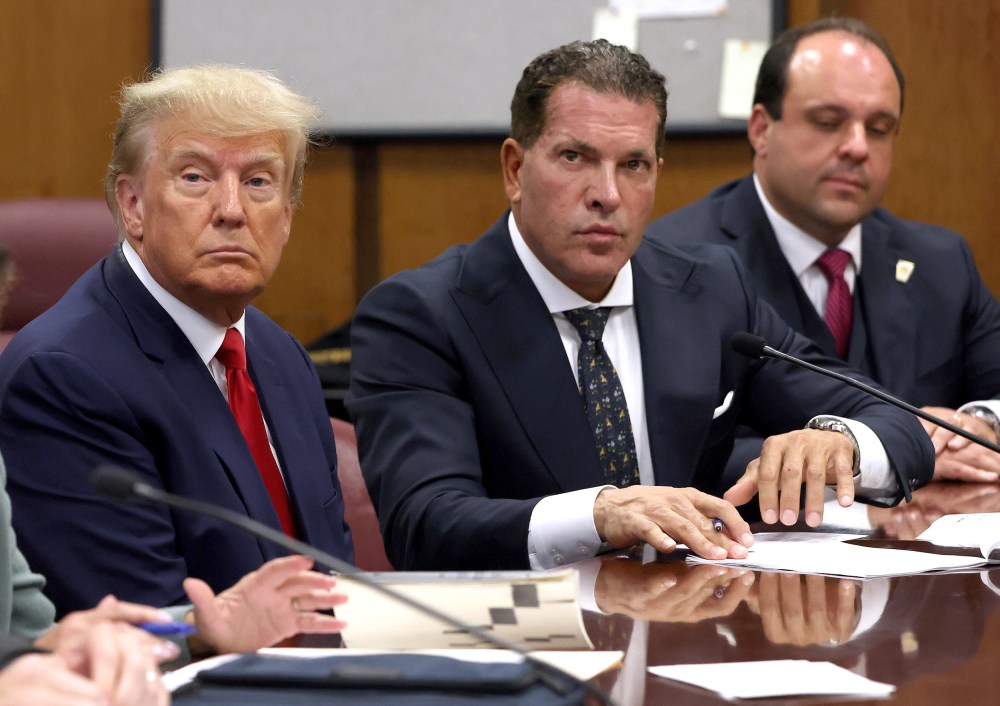
Which brings us back to Trump’s alleged crimes. According to Bragg, Trump falsified business records to conceal hush money payments. He did this, according to Bragg, to influence the outcome of the 2016 presidential election. The statement of facts filed with the indictment alleges that Trump paid off two women, believed to be former Playboy model Karen McDougal and adult film actress Stormy Daniels, to keep secret their claims of sexual relationships with Trump. In addition, the statement of facts alleges that Trump paid a Trump Tower doorman to conceal claims that Trump fathered a child out of wedlock. While these payments alone are not crimes, concealing them is.
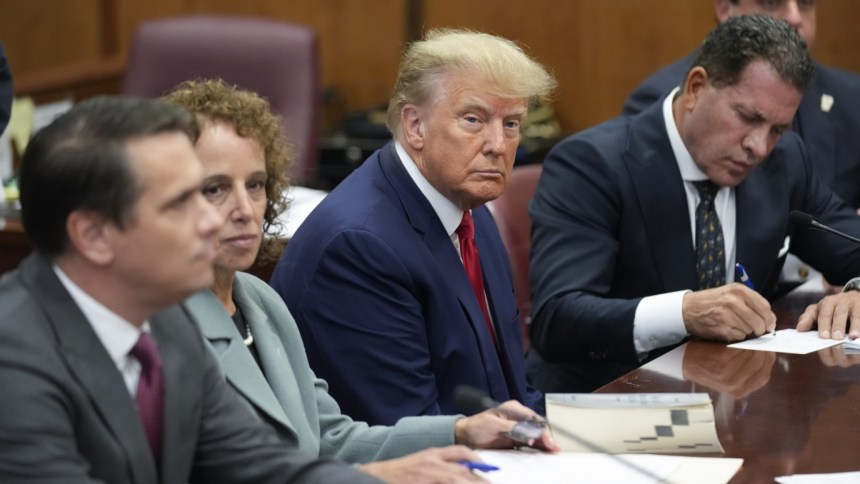
According to the indictment, Trump orchestrated a scheme with others to “purchase negative information” about Trump “to benefit the Defendant’s electoral prospects.” The alleged scheme involved shell corporations and a complex series of financial transactions to disguise the payments as legal fees. According to the charging documents, the false records violated election and tax laws. And the goal was to keep information about a presidential candidate secret, thereby potentially altering the outcome of the 2016 presidential election and the course of American history.
But even if the alleged scheme did not cause any voters to change their minds, the financial crimes are a serious matter. According to Bragg’s announcement of the charges, “Manhattan is home to the country’s most significant business market. We cannot allow New York businesses to manipulate their records to cover up criminal conduct.” In other words, if we allow everyone to lie in their business records, then business markets will collapse because no one will be able to rely on them. Bragg noted that this crime is one that the Manhattan DA’s office charges on a regular basis.
That sounds like a pretty clear and compelling motivation. So why in America do we still minimize these types of felonies?
That sounds like a pretty clear and compelling motivation. So why in America do we still minimize these types of felonies? In my experience as a former federal prosecutor, sentences in white-collar cases are often far less severe than the sentences handed down in drug cases, which often carry significant mandatory minimum terms of imprisonment. White-collar criminals and their advocates argue they do not present risks to physical safety, making imprisoning them unnecessary. But criminal punishment is intended not only to incapacitate defendants for public safety. It also serves to deter others from engaging in the same misconduct. If business executives and politicians see that their colleagues get slaps on the wrist or even passes, they are incentivized to engage in the same kind of conduct. Without the risk of serious penalty, why not cheat with impunity?
In her excellent book, “Big Dirty Money: The Shocking and Unseen Cost of White Collar Crime,” law professor Jennifer Taub explains the seriousness of financial crimes and our tendency to minimize their significance. “We associate the word ‘victim’ with violence and theft,” she writes. “But corrupt and sometimes criminal acts by trusted business and government leaders can hurt us more frequently and extensively than street crime does.” Taub cites FBI estimates of the losses from white-collar crime from $300 billion to $800 billion per year and the loss from street-level property crimes at around $16 billion. Trump himself worked to normalize white-collar crime as president by granting clemency to people who had been convicted of crimes like fraud, bribery and tax evasion. He doled out pardons and commutations to former elected officials, lobbyists and the well-connected, including Charles Kushner, the father of his son-in-law Jared Kushner. Lenient sentences in these types of cases also contribute to the perception of a two-tiered criminal justice system — one for the elite and another for everyone else. When a drug offender is sentenced to prison for decades and a corrupt public official walks out of his courtroom a mostly free man, the legitimacy of the entire criminal justice system is diminished. Even the phrase “white-collar crime” suggests a well-mannered class of offenses that are different from other violations of the law. Instead, we should call it what it is — lying, cheating and stealing that cost our nation billions of dollars and corrode the public trust. White-collar crime often goes unaddressed because investigations can be lengthy compared to the quick turnaround of reactive street crime cases. Convictions can be complicated because guilt often turns not on defendants’ acts but on their intent, an element that can be difficult to prove. Because a white-collar crime is, by its nature, usually committed in secret, there is rarely a public outcry for a prosecution the way there is in the case of a violent crime committed in the open. And white-collar defendants are often represented by expensive teams of the nation’s top legal talent, who can hound prosecutors with seas of legal motions before cases even get to trial, sometimes wearing down overworked and under-resourced prosecutors or even serving as disincentives to even pursue cases. To adequately address the harms of white-collar crime, we need to prioritize the enforcement of fraud and corruption laws. That starts by ensuring adequate funding for the agencies charged with investigating them, such as the IRS, instead of trafficking in lies that agents will target middle-class Americans. And we need to start taking these crimes seriously. Jim Jordan may call Trump’s alleged conduct a bookkeeping error all he wants. But those of us with actual knowledge of the criminal justice system understand exactly why Alvin Bragg moved to indict.
Barbara McQuade is a former Michigan U.S. attorney and legal analyst. 

