




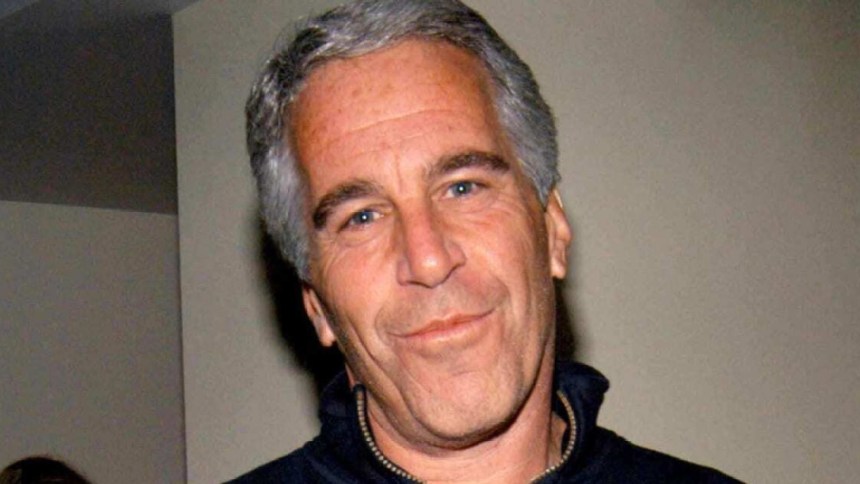
When the Justice Department finally released some of its long-awaited Jeffrey Epstein documents on Friday, many Democrats in Congress had a quick reaction: Where are the rest of them?
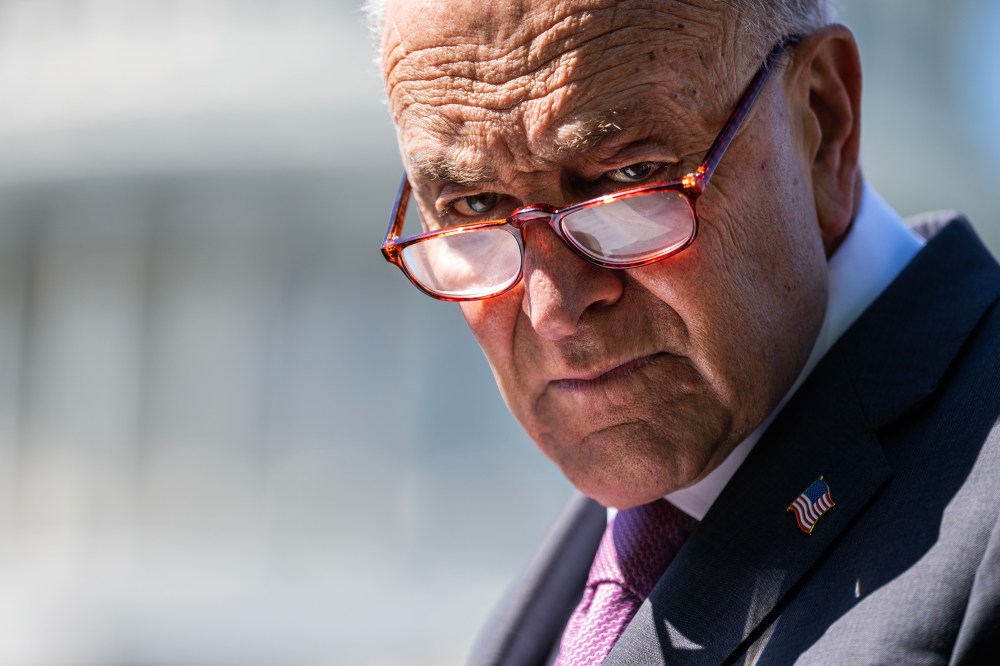
“This set of heavily redacted documents released by the Department of Justice today is just a fraction of the whole body of evidence,” Senate Minority Leader Chuck Schumer, D-N.Y., said in a statement Friday. “Simply releasing a mountain of blacked out pages violates the spirit of transparency and the letter of the law.”
“Senate Democrats are working to assess the documents that have been released to determine what actions must be taken to hold the Trump administration accountable,” Schumer added. “We will pursue every option to make sure the truth comes out.”

On Friday, Deputy Attorney General Todd Blanche wrote a letter to Congress explaining that “because of the volume of material and the requirement that every page of every document be reviewed for potential redactions, final stages of review of some material continue.”
It was an acknowledgment that the Justice Department did not publicly release all of the documents in its possession, but will likely continue rolling out more in the coming days and weeks.
Of course, that’s not what Congress required by law.
Under the Epstein Files Transparency Act, “all unclassified records” were due to be released by Dec. 19. The only “permitted withholdings” were records that include personally identifiable information of victims; depict child sexual abuse; would jeopardize an active investigation; show images of death, physical abuse or injury of individuals; or include information authorized by an executive order to be kept secret in the interest of national defense or foreign policy.
The fact that the Trump administration withheld some documents immediately raised concerns for many Democrats.
“The Justice Department’s failure to fully comply with the Epstein Files Transparency Act not only violates the law, it continues this Administration’s pattern of protecting President Trump and other perpetrators,” a spokesperson for Senate Minority Whip Dick Durbin said, adding that this was an ongoing “cover up” from Attorney General Pam Bondi and FBI Director Kash Patel.
Other Democrats were quick to use that phrase as well.
“This looks more like a coverup than an actual release of the Epstein Files,” Vice Chair of the House Democratic Caucus Rep. Ted Lieu, D-Calif., wrote on X.
“Now the coverup is out in the open,” Rep. Alexandria Ocasio-Cortez, D-N.Y., said in her own post on X. “This is far from over. Everyone involved will have to answer for this. Pam Bondi, Kash Patel, whole admin. Protecting a bunch of rapists and pedophiles because they have money, power, and connections. Bondi should resign tonight.”
Rep. Pramila Jayapal, D-Wash., posted a photo on X of a page full of redactions: “This is part of the Trump administration’s Epstein Files release — 119 pages of Grand Jury testimony, fully redacted. This is not transparency. This is a cover-up. Follow the law and release ALL of the damn files.”
When Blanche announced that the DOJ wouldn’t be fully meeting the deadline, Sen. Ruben Gallego, D-Ariz., said the law was clear.
“They had 30 days to comply and release the Epstein Files,” Gallego wrote on X. “They are blatantly breaking the law to cover up for pedophiles.”
But it wasn’t just the lack of materials released that Democrats were calling out on Friday. Rep. Ro Khanna, D-Calif., who led the push on the Democratic side to release the documents, took issue with the depth of redactions in the publicly released files, as well as the shortage of explanations for the blackouts.
The Epstein Files Transparency Act, which Trump signed into law last month following nearly unanimous votes in Congress, requires redactions to be “accompanied by a written justification published in the Federal Register and submitted to Congress.” Khanna said the Justice Department failed to do that.

“The Justice Department’s document dump this afternoon does not comply with Thomas Massie and my Epstein Transparency Act,” Khanna said in a video posted on X. “They released one document from a New York grand jury of 119 pages totally blacked out. This despite a federal judge ordering them to release that document. And our law requires them to explain redactions. There’s not a single explanation for why that entire document was redacted.”
“The reality is, Pam Bondi has obfuscated for months,” Khanna added. “She first said there were no more documents to be seen. Now she’s admitting and releasing hundreds of thousands of documents, but it is an incomplete release with too many redactions.”
Rep. Thomas Massie of Kentucky, Khanna’s GOP counterpart on the Epstein disclosure effort, said he agreed with Khanna’s sentiments.
“Unfortunately, today’s document release by @AGPamBondi and @DAGToddBlanche grossly fails to comply with both the spirit and the letter of the law that @realDonaldTrump signed just 30 days ago,” Massie wrote on X.
With their disappointments well documented, the pair of lawmakers are warning that they won’t go down without a fight.
Khanna said he and Massie are “exploring all options,” including impeaching Justice Department officials, pursuing inherent contempt proceedings, or referring individuals for obstruction of justice — a trio of threats that would not see impacts in the short term, but would nonetheless place pressure on the department and showcase the frustrations on Capitol Hill.
“We will work with the survivors to demand the full release of these files, to demand justice for the Epstein of class and accountability,” Khanna wrote.
Matt Fuller and Kevin Frey contributed to this report.

Mychael Schnell is a reporter for MS NOW.