




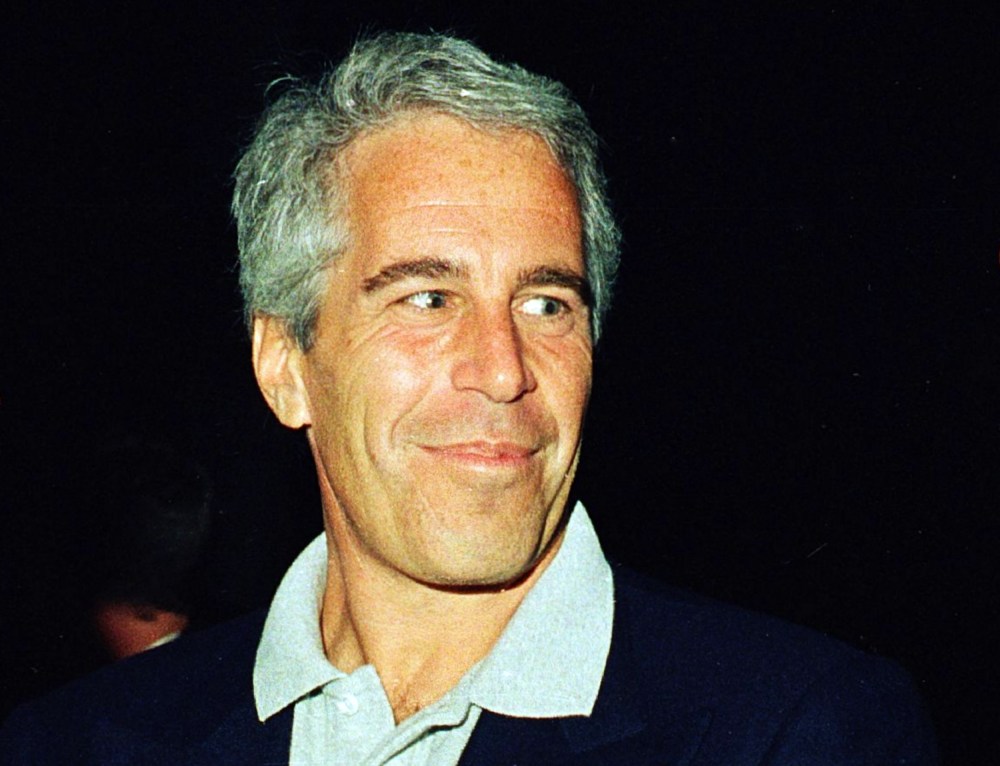
The Justice Department on Friday released a trove of documents related to multiple years of investigations into Jeffrey Epstein, the first of a series of disclosures that Deputy Attorney General Todd Blanche said will continue on a rolling basis — contrary to the law Congress passed and President Donald Trump signed that mandates the full release of “all unclassified records” by Dec. 19.
While the full scope of the release won’t be clear for many hours — or even days — it was already clear Friday that the Trump administration was initially deficient in another aspect of the Epstein Files Transparency Act: searchability. The search function did appear to have improved later Friday evening.
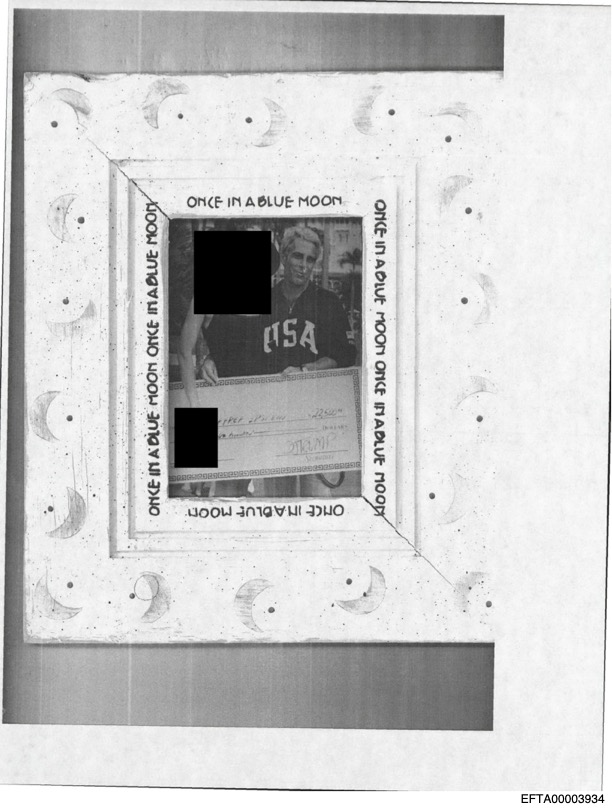
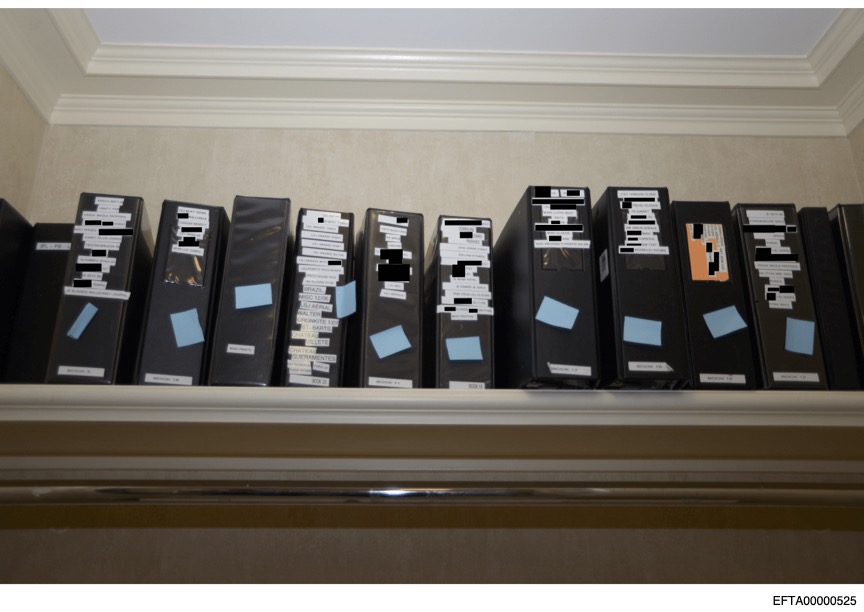
The law enacted on Nov. 19 requires the files to be made “publicly available in a searchable and downloadable format.” The significantly redacted files released Friday, however, don’t appear fully searchable, and many of the thousands of documents appear to be among those already made public.
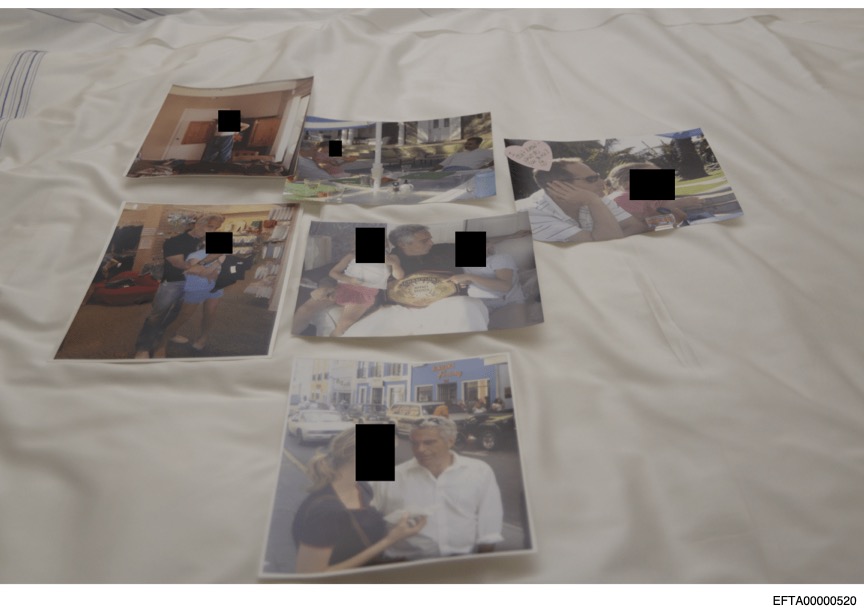
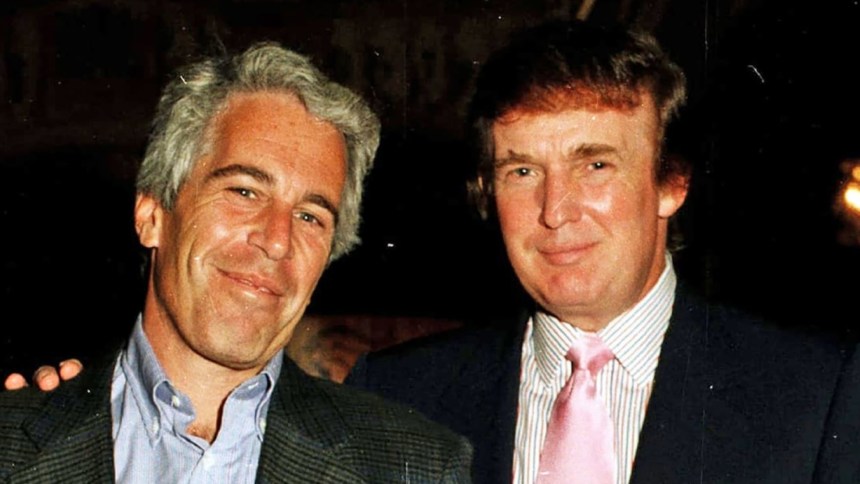
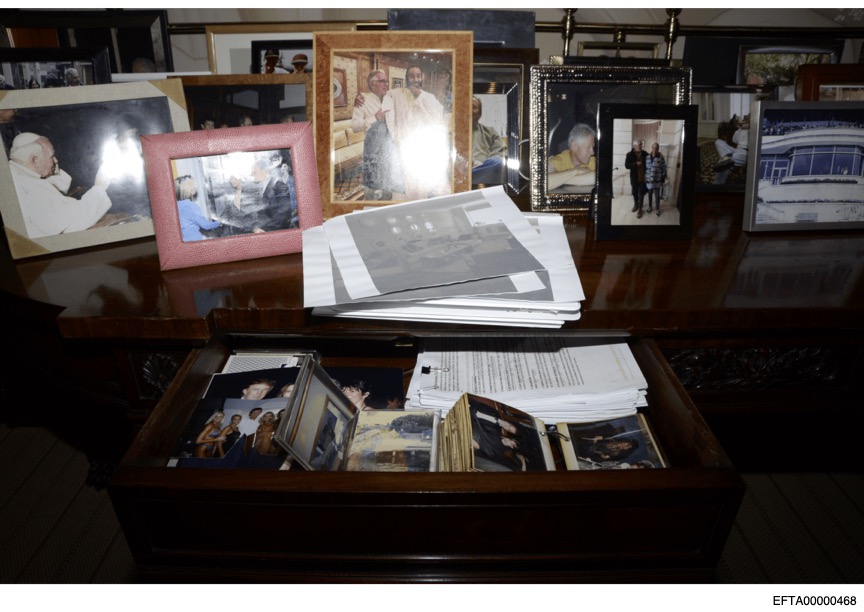
A team of MS NOW reporters and editors were reviewing the documents Friday evening. They include photos of Epstein with powerful people: a previously released framed picture of Epstein and his co-conspirator, Ghislaine Maxwell, posing alongside President Donald Trump and first lady Melania Trump, as well as images of Epstein posing with people whose identities have been redacted, including some who appear to be young girls. Documents include lists of employees at Epstein’s homes and notes from law enforcement interviews with victims.
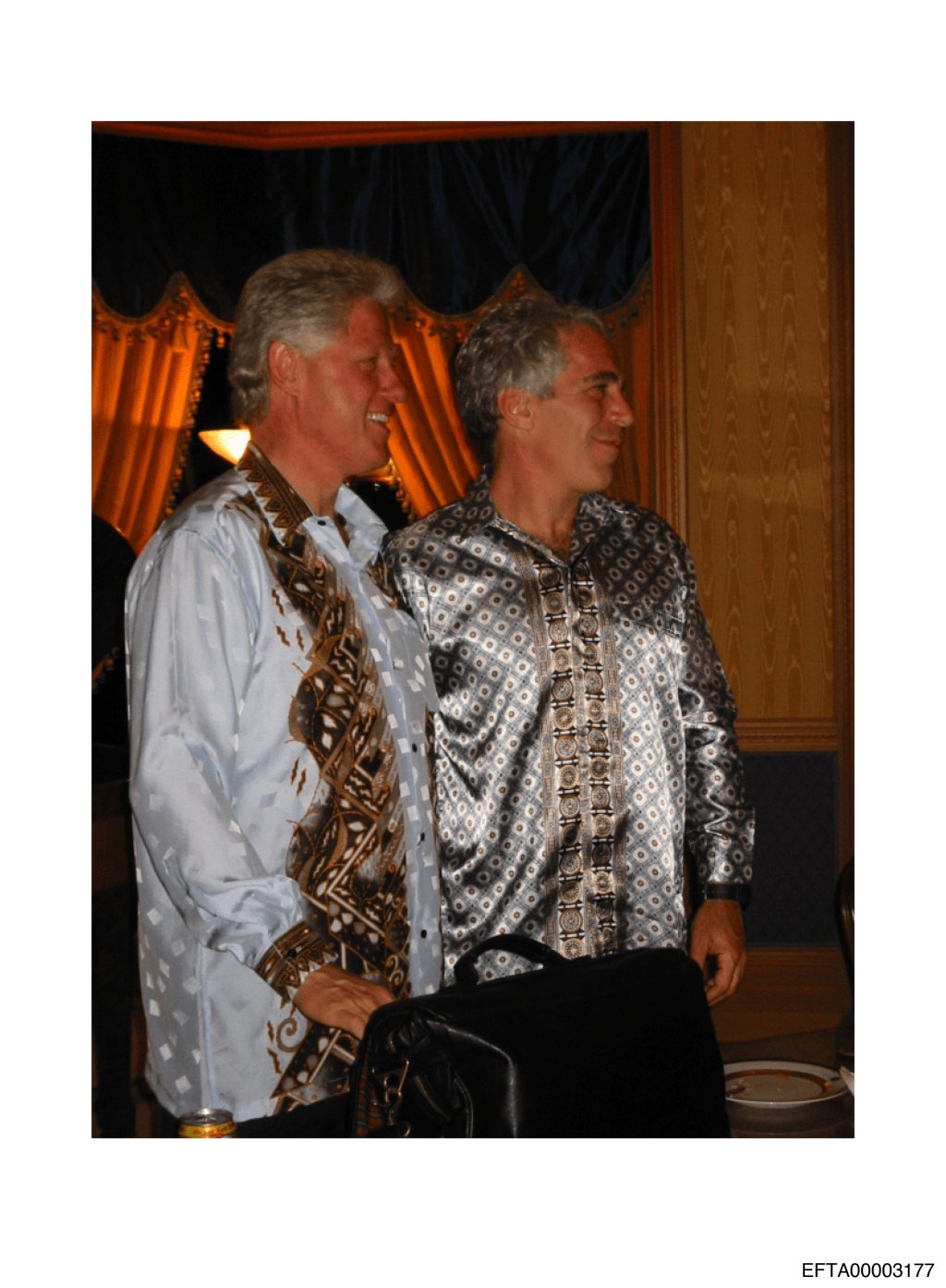
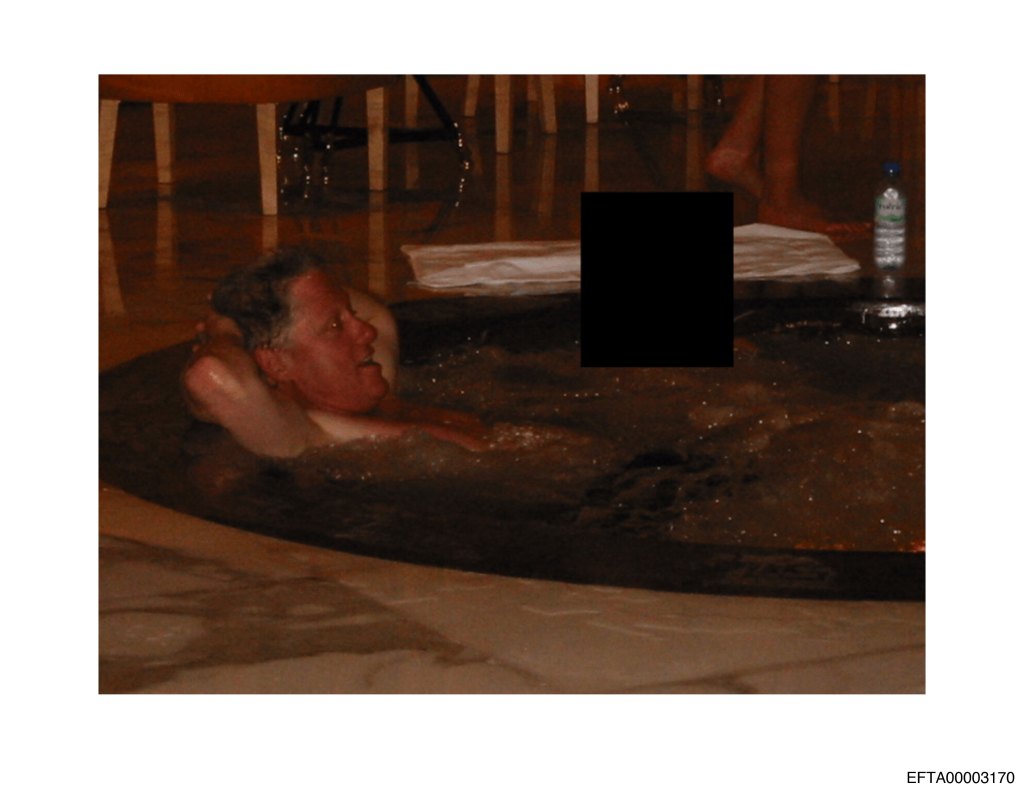
Former President Bill Clinton appears in several of the photos released Friday, alongside Epstein, Maxwell and redacted persons. In one image, he appears with a redacted woman sitting on his lap; in another, he is with a redacted person in a jacuzzi. In another picture, Clinton poses alongside the singers Michael Jackson and Diana Ross, as well as others whose faces are blacked out. No information was provided as to the context for the photos, including when or where they were taken.
Angel Ureña, deputy chief of staff for Clinton, accused the White House in a statement released on X on Friday night of “shielding themselves from what comes next, or from what they’ll try and hide forever.”
“So they can release as many grainy 20-plus-year-old photos as they want, but this isn’t about Bill Clinton,” he continued. “Never has, never will be.”
“Even Susie Wiles said Donald Trump was wrong about Bill Clinton,” Ureña added, seemingly referring to the bombshell Vanity Fair article published this week, in which Wiles, the White House chief of staff, said there was nothing incriminating about Clinton in the files.
In a letter to members of Congress to explain the Justice Department’s process, Blanche said some materials are still in the “final stages of review” and estimated that it would be completed “over the next two weeks.” He said the partial release was “consistent with the law and with protections for victims.”
Members of Congress slammed the Justice Department on Friday evening for not releasing all the files by the midnight deadline.
Rep. Ro Khanna, D-Calif., who co-sponsored the Epstein Files Transparency Act, demanded the Justice Department provide “a clear timeline of when the rest of the documents will be released, and an explanation for why they did not release all of them today.”
Senate Majority Leader Chuck Schumer, D-N.Y., said in a statement Friday, “Simply releasing a mountain of blacked out pages violates the spirit of transparency and the letter of the law. … Senate Democrats are working to assess the documents that have been released to determine what actions must be taken to hold the Trump administration accountable.”
The release marks a significant concession from the Trump administration and the president himself, who fought against the release of the files and went so far as to tell Republicans to move on from what he deemed a “hoax” by Democrats to divert focus from the president’s agenda.
The DOJ’s action came under strong pressure from congressional Republicans, who sided with Democrats to force a vote in the House to pass legislation that was then overwhelmingly adopted by the Senate.
The legislation states that redactions in the files must be justified in writing, published in the Federal Register and submitted to Congress. Bondi is also required to submit a report to the House and Senate Judiciary Committees within 15 days that includes “categories of records released and withheld,” a summary of redactions made by the agency and an unredacted list of government officials and “politically exposed persons named or referenced” in the files.
In response to a post on X from Rep. Thomas Massie, R-Ky., critiquing the redactions, a Justice Department spokesperson wrote, “No Politically Exposed Persons (PEPs) were redacted from today’s released Epstein documents. All references to PEPs were disclosed in full.”
It remains to be seen whether the release of the material will quiet the clamor for more information on Epstein, a convicted sex offender who died in a New York jail cell in 2019. Authorites ruled his death a suicide. Stoked by conspiracy theories from Trump allies, that base has long demanded the names of powerful men they believe may have abused underage girls.
Attorney General Pam Bondi sparked a furor in July when she issued a memo declaring the case essentially closed, saying there was no list of Epstein’s clients despite having previously claimed otherwise.
Maxwell was sentenced in 2022 to 20 years in prison for conspiring to sexually abuse minors. After an unusual interview with Blanche in July, Maxwell was moved from a low-security Florida prison to a minimum-security federal prison camp in Texas. In the interview, Maxwell said of Trump that she “never saw the President in any type of massage setting” and “never witnessed the President in any appropriate setting in any way.”
“The President was never inappropriate with anybody,” Maxwell added. “In the times that I was with him, he was a gentleman in all respects.”
This week, Maxwell made another long-shot bid to get a federal court to turn to overturn her conviction after the Supreme Court declined to review her appeal in October.
The White House framed the release as a win for Epstein’s victims.
“By releasing thousands of pages of documents, cooperating with the House Oversight Committee’s subpoena request, and President Trump recently calling for further investigations into Epstein’s Democrat friends, the Trump Administration has done more for the victims than Democrats ever have,” White House spokesperson Abigail Jackson said.
CORRECTION (Dec. 19, 2025, 9:52 p.m.): A previous version of this article indicated incorrectly that singer Diana Ross is dead. She is still alive.

Clarissa-Jan Lim is a breaking news reporter for MS NOW. She was previously a senior reporter and editor at BuzzFeed News.

Julianne McShane is a breaking news reporter for MS NOW who also covers the politics of abortion and reproductive rights. You can send her tips from a non-work device on Signal at jmcshane.19 or follow her on X or Bluesky.