





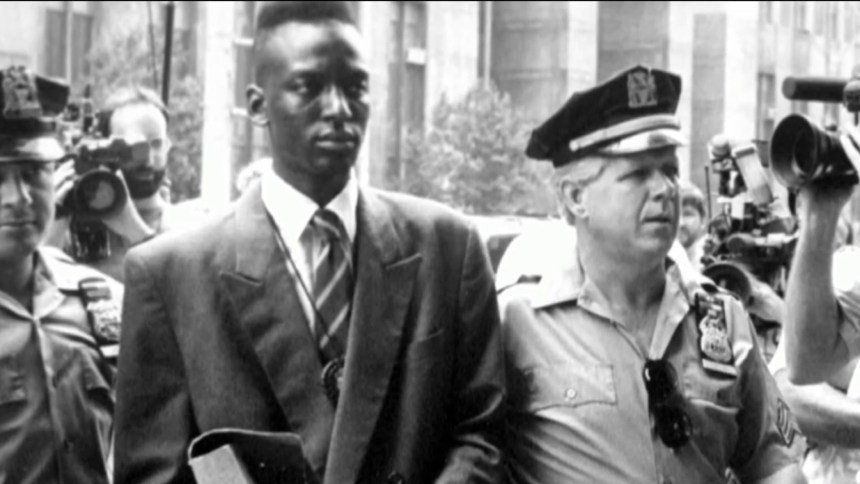

President Donald Trump lost a bid to dismiss a defamation lawsuit brought by plaintiffs known as the Exonerated Five (formerly the Central Park Five). Thursday’s court ruling brings Trump closer to potential civil liability for comments he made about them during a presidential debate against Kamala Harris last year, but it doesn’t guarantee that the plaintiffs will ultimately succeed in their case.
Trump’s history with Yusef Salaam, Raymond Santana, Kevin Richardson, Antron Brown and Korey Wise dates back decades. They were teenagers in 1989 when they were charged with attempted murder, rape and other crimes after a woman named Patricia Meili was attacked while jogging in Manhattan’s Central Park. Before they were indicted, Trump took out a full-page newspaper advertisement — not naming but clearly referring to them — calling to: “BRING BACK THE DEATH PENALTY. BRING BACK OUR POLICE!”
Four of them (not Salaam) confessed, then recanted their confessions and maintained their innocence. They were all convicted of at least some of the charges. Years later, a different person confessed, and their convictions were vacated in 2002.
Trump has continued to question their innocence over the years, leading to last year’s debate with Harris that sparked the lawsuit. After the Democrat brought up the Republican’s newspaper ad calling for their execution, Trump said, “They admitted — they said, they pled guilty. And I said, well, if they pled guilty, they badly hurt a person, killed a person ultimately. And if they pled guilty — then they pled we’re not guilty.”
Rejecting Trump’s motion to dismiss, U.S. District Judge Wendy Beetlestone wrote that it can be “plausibly inferred” that Trump “had sufficient knowledge of Plaintiffs’ wrongful conviction and exoneration to have understood that Plaintiffs did not plead guilty, nobody died as a result of the crimes that day in Central Park, and Plaintiffs are indeed not guilty.”
The ruling wasn’t a total loss for the president. The Obama-appointed judge said that the plaintiffs hadn’t yet met their legal burden for one of their defamation theories or for their claim that Trump had intentionally inflicted emotional distress, writing as to the latter point that they hadn’t alleged having suffered any physical harm.
While the civil case’s fate is still to be determined, the ruling is a reminder that, unlike some of Trump’s legal exposure that vanished upon his election, other exposure remains.
Subscribe to the Deadline: Legal Newsletter for expert analysis on the top legal stories of the week, including updates from the Supreme Court and developments in the Trump administration’s legal cases.
