






After the latest revelations against Fox News in Dominion Voting Systems’ defamation lawsuit, my MSNBC colleague Steve Benen posed an interesting question: “Shouldn’t Fox settle this case in the hopes of making it go away?”
The answer might hinge on another question: Does Dominion want to?
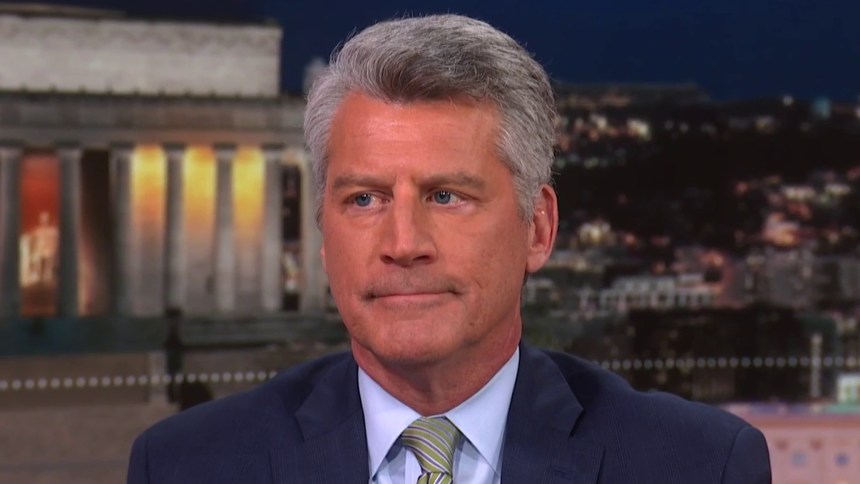
I thought about those questions when I interviewed former House Jan. 6 committee investigator Tim Heaphy on Wednesday. (Check out that interview here, which doesn’t include the excerpts below.)
Speaking with Heaphy, a former federal prosecutor, I thought about the important public function that the Jan. 6 hearings served. That led me to wonder, in turn, whether a trial against Fox News could serve a similar public function. Here’s what Heaphy said when I asked him that:
“Yes, absolutely,” he said, adding:
The trial process is what is producing all of this discovery material, all these text messages and all these documents which expose the hypocrisy of the Big Lie. … There’s an educational function. … It also sends a message that you cannot irresponsibly make allegations against people or corporate entities without foundation, without a basis.
Heaphy told me that he “always believed that the legal system is a forum in which people can address grievances and get justice, and there is an important sort of public discourse benefit, because a lot of that plays out in a public way.” He added:
My understanding — and again, it’s just from reading the newspaper — Dominion doesn’t want to settle this case. They want to try it for that reason. They want a lot of these facts to be laid bare in a courtroom in a public proceeding. We’re headed there. There may be more of these kinds of behind-the-scenes allegations, and I do think that there’s a useful long-term benefit for people to understand.
So, as the case heads toward a potential trial next month, it’s worth considering what’s at stake not only for the voting company and the “news” network but for the country as a whole. Fox (which denies the allegations and vigorously contests the suit) is likely hoping that it doesn’t become a public lesson for the country at trial — though no matter how this case ends, it may be too late for that.
