





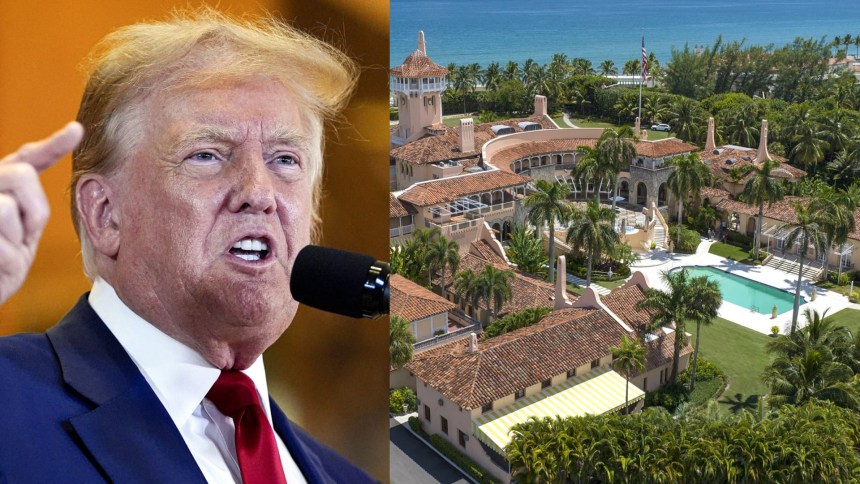

U.S. District Judge Aileen Cannon broke new ground this week when she dismissed Donald Trump’s classified documents case on the rationale that special counsel Jack Smith was unlawfully appointed. Now, Hunter Biden wants the same treatment for his criminal cases brought by another special counsel, David Weiss.
Biden’s success is far from guaranteed, partly because Trump’s ultimate success isn’t guaranteed. Cannon’s trial-level ruling only applies to Trump’s case, and if she’s reversed on appeal then it won’t even affect Trump’s case. Smith is challenging Cannon’s ruling to the 11th U.S. Circuit Court of Appeals, and whichever side loses in the appeals court is likely to ask the Supreme Court to hear the case. A Supreme Court ruling could set a nationwide standard applying to both defendants.
At least one justice, Clarence Thomas, is poised to agree with Cannon if the Supreme Court rules on the issue. In the Trump immunity case earlier this month, Thomas wrote a separate concurring opinion that questioned the lawfulness of Smith’s appointment. Cannon cited Thomas’ concurrence to support her dismissal of the classified documents case on Monday. No other justice joined Thomas’ concurrence, but Smith’s appointment wasn’t at issue in the immunity case, so we don’t know what a majority of the court would do if the appointment issue were squarely presented.
That is, just because Thomas was the only one to raise it in the immunity case doesn’t mean that the Supreme Court would therefore side with Smith 8-1 on the appointment issue. Like Cannon’s trial-level ruling, Thomas’ solo concurrence isn’t binding. But as a Supreme Court justice, his view will ultimately be more important than Cannon’s for the legality of special counsels generally.
There are also distinctions between Smith and Weiss that could lead to different outcomes for Trump and Biden. One of the defense criticisms of Smith is that he wasn’t appointed by the president and confirmed by the Senate. Weiss was. That distinction doesn’t necessarily end the analysis, however, because the issue that Cannon and Thomas raised goes to the heart of Attorney General Merrick Garland’s statutory authority (or lack thereof) to appoint special counsels. That could doom Weiss as well as Smith if a Supreme Court majority heeds Cannon’s and Thomas’ view.
Biden’s lawyers make that point in their motion to dismiss on Thursday, writing that Garland “relied upon the exact same authority to appoint the Special Counsel in both the Trump and Biden matters, and both appointments are invalid for the same reason.” He was found guilty of gun-related charges last month in Delaware and hasn’t been sentenced yet. He also faces separate tax charges brought by Weiss in California and his lawyers have raised the appointment issue there in an effort to get those charges dismissed, too.
It may take a while before the final impact, if any, of Cannon’s and Thomas’ opinions are fully realized in the Trump and Biden cases. Weiss will respond before trial judges rule in Delaware and California. Both of those federal trial courts fall under different federal circuits from one another and from the 11th Circuit, which covers Florida and will review Cannon’s ruling. Whatever happens in the lower courts, the Supreme Court may have the last word — and while we don’t know what that last word would be, a Trump win wouldn’t necessarily be a win for the president’s son.
Subscribe to the Deadline: Legal Newsletter for updates and expert analysis on the top legal stories. The newsletter will return to its regular weekly schedule when the Supreme Court’s next term kicks off in October.
