




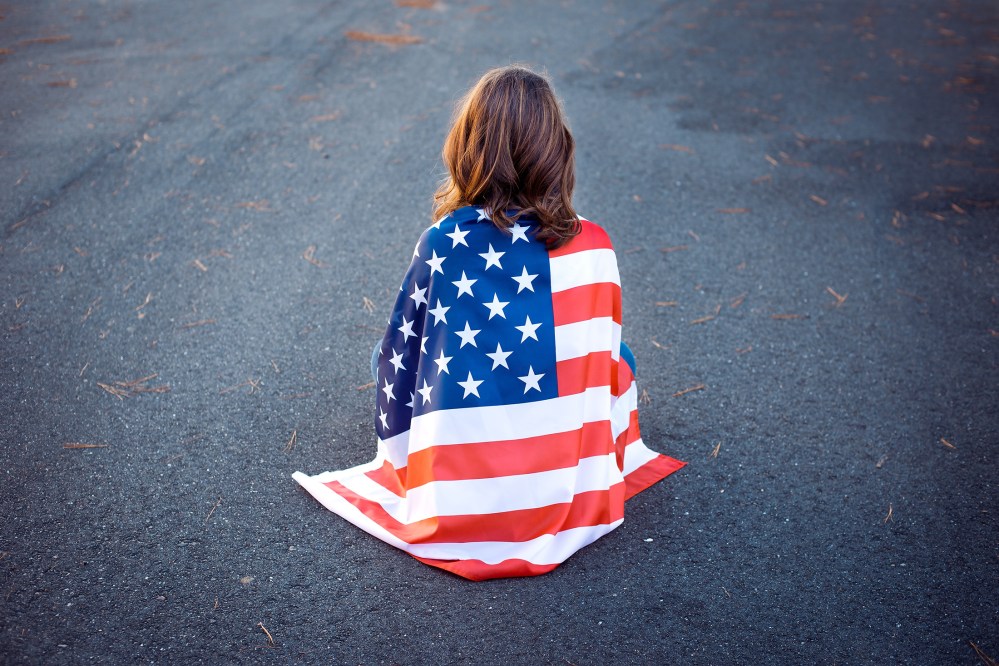
By now, you have seen headlines about the loneliness epidemic in this country — a feeling often exacerbated during the holidays, when desires for a picture-perfect celebration are foiled by both small and big realities of life. Longing for a missing loved one. A flight delayed. The weight of unmet goals as another year comes to a close. Or even those unattainable celluloid images of the season.
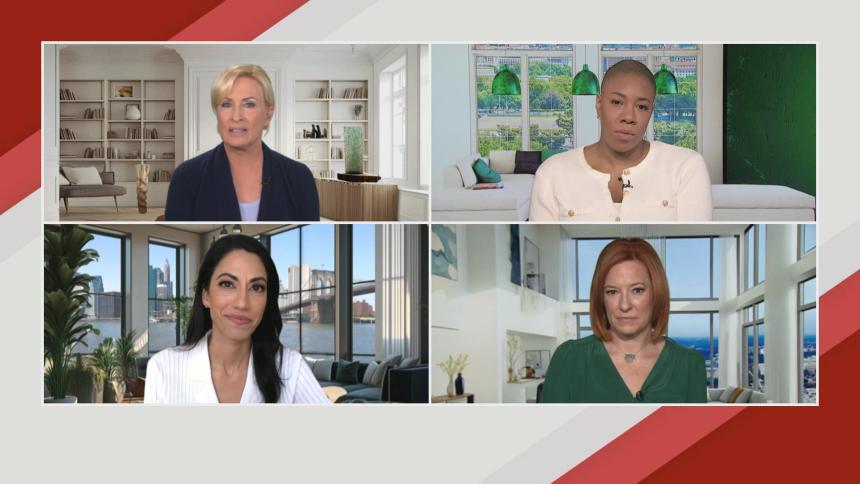
Surgeon General Vivek Murthy raised alarm bells on what he calls our “loneliness epidemic,” with nearly half of Americans reporting some level of loneliness.
He drove home the pervasiveness of the epidemic, but also its consequences, including the risks to our physical well-being and longevity — surprising many. Research reveals that the impact of loneliness can be as detrimental as smoking 12 cigarettes a day.
This season, however, a new factor is driving our feelings of loneliness and isolation: political partisanship. We have become a deeply divided nation, split in an increasingly charged political environment. That leaves an awful lot of people, many of whom viewed the 2024 election as a referendum on our personal and national values, downright depressed. Some describing it as grief.
I found out much of my family voted for Trump. Here’s how I responded.
The current political environment exacerbates the feeling of loneliness and can even lead to anger. To cope, some people are restricting their media consumption, seeking to reduce triggers to avoid spiraling into deeper pessimism. One acquaintance even has his wife remove the front pages of their local newspaper, so he can focus on less disturbing (to him) sections — like culture, arts and sports.
If you find yourself hiding under the covers, deliberately turning your head away from a glimpse of the headlines or the TV news, you’re not alone. The day after the election, mental health bookings on one virtual platform jumped by 22 percent between 6:00 and 8:00 a.m.
Spring Health, a mental health provider, reported a 240 percent increase in appointment bookings from Nov. 3rd to Nov. 4th. And, according to The Washington Post, the Trevor Project, a crisis hotline for LGBTQ youth, saw a 125 percent increase in calls, texts and chat messages on Election Day and on Nov. 6th.

In addition to therapy, people are finding their own ways to cope with their grief — yes, grief — complete with its symptoms of despair and hopelessness. One common coping mechanism has been to limit social interactions: both online and in person.
For some, this can mean reducing interaction with family members or friends, who hold different political views. Or even eliminating exposure to friends, family or colleagues who are not legislatively aligned. The problem is that these so-called coping strategies often worsen feelings of isolation and loneliness rather than alleviating them.
This can be particularly dangerous for men, who are more susceptible to loneliness than women, despite their tendency to underreport it. According to the CDC, in 2022, the suicide rate among men was about four times higher than among women. While males comprise roughly half of the population, they account for nearly 80 percent of suicides.
Is there a gender gap when it comes to loneliness? This public health expert thinks so.
A study from King’s College London found that men who identified as lonely drank significantly more alcohol than their counterparts who did not identify as lonely. Lonely women actually drank less than their counterparts. Men also tend to have fewer close friendships, often lacking an essential support network that helps buffer against loneliness. Financial strain adds another layer to this crisis: people with less financial means, with less money to gather, are also more likely to suffer from loneliness and isolation, placing another vulnerable population at greater risk.
There are no easy answers for addressing loneliness, but a self-imposed social moratorium won’t help — and will likely make things worse. Loneliness is a terrible feeling, one that makes people feel sick. To combat this, people need a place in society where they have meaning and purpose, where they can work towards creating a public good, and ultimately feel valued. Successful human societies are ones where we can act together, and feel common purpose, so as to recognize and then solve — together — the problems that challenge us.
Here’s what’s behind your holiday blues – and how to cope with loneliness this winter.
You can get off the couch. Meet up with friends. Take a walk. Take a class. Go to the movies. Walk your dog — or borrow one. There are few better ways to inspire positive social encounters than a friendly puppy. Help a friend. Do whatever it takes to get your mind and body moving. But most of all, take this time to be kind to yourself and don’t hesitate to seek professional help.
And remember that people who are lonely are not attracted to getting together with other lonely people. Rather, create ways to get together with those in your community to know each other better, value each other, and — through shared activities — foster a sense of belonging.
Communities and government are taking notice of this crisis, and some are offering creative solutions. The Chatty Café Scheme created “chatty tables,” at thousands of cafes throughout the UK to encourage conversation and bridge divides among strangers.
During the 2024 election season, Toledo, Ohio, launched “Neighbor to Neighbor” after concerned citizens noticed heated political rhetoric was disrupting their community, and tearing apart friends.
As an antidote, the group distributed 2,300 “Love Your Neighbor” yard signs which popped up alongside Harris and Trump yard signs.
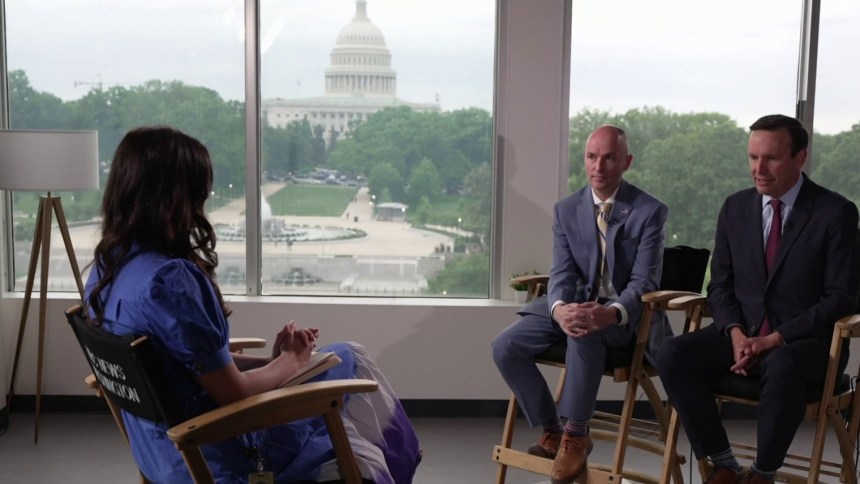
And in Utah, Republican Gov. Spencer Cox used public records to find strangers who shared a random characteristic like being married for 50 years to invite them to the governor’s mansion for a dinner party where politics wasn’t on the menu.
Luckily, there are Republicans and Democrats in Washington who want to have a connected conversation together — about the politics of loneliness and social isolation.
Senator Chris Murphy (D-Conn.) went to the Senate floor and shocked some members when he announced, “I’m here to talk about loneliness.” He called it, “one of the most important political issues of our time.” His words sparked a wake-up call, and he’s since shown one way to bridge the political divide: partnering with Gov. Spencer Cox to seek bipartisan solutions to this growing epidemic.

Linda P. Fried, MD, MPH
Linda P. Fried, MD, MPH, is the Dean of Columbia University’s Mailman School for Public Health. With specialties in epidemiology and geriatric medicine, Dr. Fried has built programs to strengthen the public health focus on pandemic preparedness, the health effects of climate change, mental health at the community level, and increasing the health spans for longer lives. A member of the U.S. National Academy of Medicine, she received the 2022 Kober Medal of the Association of American Physicians and was named to City and State’s Health Power List of individuals leading New York through the coronavirus crisis.