




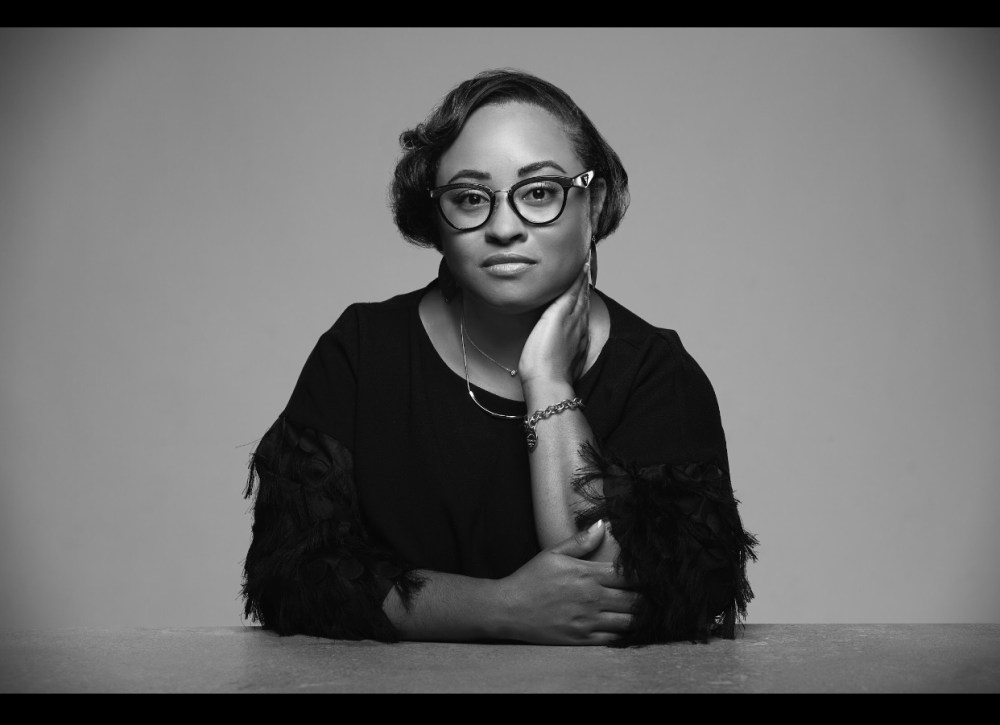
I am a Black woman, and my brother, mother, and father-in-law voted for former President Trump — again. This realization hit like a punch to the gut, leaving me in a whirlwind of disappointment, anger, and profound consternation.
I am grappling with the reality that people I love — people I’ve trusted — made a choice that feels like a betrayal not only to me but to the values I hold dear: justice, equality, empathy.
How does one survive, let alone thrive, in a world where your closest relationships stand on the other side of an ideological chasm, choosing a path that threatens the very fabric of our shared humanity?
“But did you die?” is the cold, dismissive response to the deep harm of another Trump administration that I’ve been hearing. This sentiment, echoed by some who insist we “survived” his last term, treats survival as an acceptable standard. But is survival enough when our rights, safety, and humanity are at stake? How do you define survival when it means enduring an administration that strips away rights, promotes hate, and leaves the most vulnerable increasingly exposed?
Is survival witnessing children placed in ICE detention centers, separated from families with no certainty of reunification? Is it violence and discrimination perpetrated against trans and queer youth? Is it mothers dying due to the overturning of Roe v. Wade, where something as basic as life-saving healthcare has devolved into a battleground of ideologies? Is survival enduring relentless police brutality against Black communities? Is it the erosion of affirmative action or facing deportation from the only home you’ve ever known?
If this is survival, I’m not OK. Surviving harm is not a standard to aspire to. Real strength is found in the communities we build, the rights we defend, and our commitment to ensuring no one is left behind.
My daughter stayed home the day after the election — scared, crying, and asking through tears: “What do I do? Are we moving? Am I going to be illegal in this country now?”
How do I tell my 11-year-old that home may no longer be safe, that this place may not be ours in the ways we once believed?
I had few words of comfort as the same questions raced through my mind. How do I tell my 11-year-old that home may no longer be safe, that this place may not be ours in the ways we once believed? That our country does not love us back. That neighbors, colleagues, classmates, friends — even family — chose a monster. They did so knowingly. They did so on purpose. They did so, AGAIN.
No candidate is perfect, and grievances like gas and grocery prices are real. Yet, focusing solely on individual issues, on personal gains, numbs us to the larger picture, leading many to vote against their own interests. These choices are often not about policy but about a desire for perceived security, social standing, or influence — aligning with power structures that ultimately harm them and those they claim to love.
I’m cautiously comforted by the haven California may provide as our world is set ablaze. But for those at society’s margins, our survival has never depended on retreat to some safe haven — and certainly not on institutions built to overlook or harm us — but on the strength of our communities.
How catching a crab with my bare hands helped me tackle workplace fear
Black communities, LGBTQIA+ individuals, immigrants, and other marginalized groups build resilience through the networks they create. Mutual aid — shared meals, childcare, transportation, and legal resources — isn’t charity. It’s solidarity in action, filling the gaps left by traditional institutions. Solidarity is not rejecting harm because you don’t want it to happen to you someday; solidarity is rejecting harm because you believe it shouldn’t happen to any of us, ever. Embracing this ethos is a radical commitment to empathy, interdependence, and hope for all.
Growing up in Guam, I experienced firsthand the importance of representation — and the harm of its absence. With no electoral weight, my parents’ votes barely counted, showing me how political systems can fail whole communities.
Chamoru values like chenchule’, a system of reciprocity, and inafa’maolek, which emphasizes our interconnected well-being, taught me the power of community and shared responsibility.

I saw an Instagram post that read: “People who voted for Trump did so primarily for reasons they felt were beneficial to themselves, while those who voted for Harris did so for reasons that may never impact them personally but would benefit those around them.”
This idea underscores what I learned as a child — our strength and humanity lie in prioritizing the collective good over individual gain. Supporting a harmful administration for personal benefit alone falls short of that standard.
Reflecting on my fellow voters’ choices, I am reminded of activist Mariame Kaba’s words: “Hope is a discipline.” Hope isn’t fleeting or passive; it’s something we cultivate — a daily choice, even in uncertainty. I wasn’t foolish for hoping we might finally see our first woman president, a leader committed to protecting fundamental rights. Though moving forward feels difficult, hope anchors and strengthens us, urging us to keep going. Our new reality under Trump isn’t just about surviving; it’s about creating a future where everyone has the chance to thrive, regardless of who is in power.
As a parent, this means having open, honest conversations with young people about the world they inherit. We owe it to them to teach the values of resilience, community, and the collective impact of their choices.
Why I hope my daughter takes great pleasure in being as ‘inconvenient as possible’
They need to know that their power lies not just in individual success but in lifting those around them, in making decisions that benefit the many rather than the few. I eventually answered my daughter’s questions with the wisdom I could muster amidst grief. I told her, “I love you more than they hate us. And that is our strength.” A lesson I learned from author Michelle MiJung Kim, in her book, “The Wake Up.”
To those of us at the margins: I see you, I stand with you, and together, we are stronger than hate. Let’s reject mere survival and build a future rooted in justice, empathy, and resilience. True safety lies in choosing each other and recognizing that the most powerful way to safeguard our future is to create it ourselves.

Amira Barger
Amira Barger is author of "The Price of Nice," a diversity expert, and global communications executive. She is also an adjunct professor of marketing and communications at Cal State East Bay. Views are the author's own.