




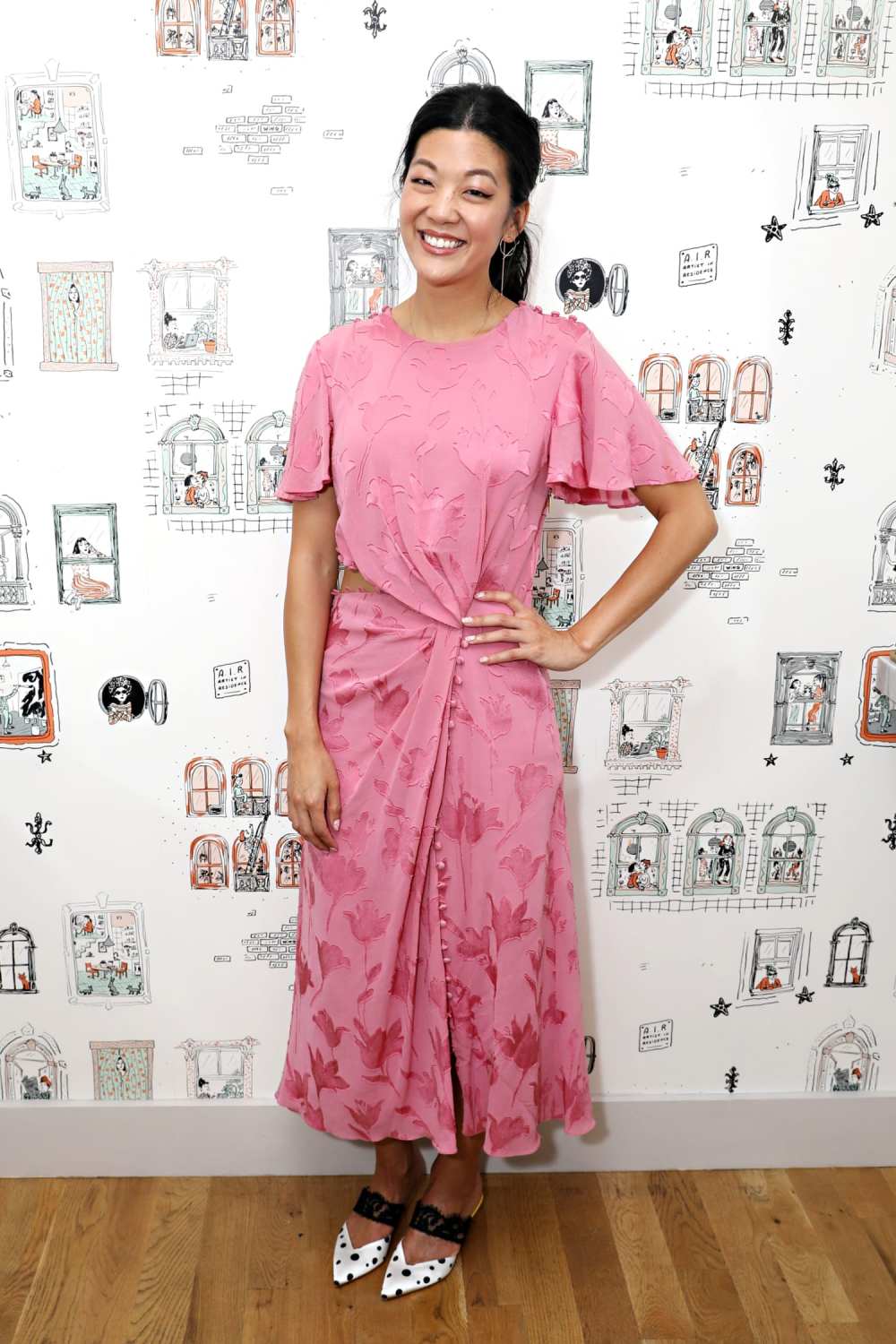
Body diversity has improved in the mainstream media in recent years, from Dove’s “Real Beauty” campaign, to size 14 model Ashley Graham gracing the cover of Sports Illustrated. However, there’s still a long way to go, according to Michelle Lee, editor in chief of Allure magazine.
“The way we position things [in the media] has an impact on how people feel about themselves,” said Lee during an interview with Know Your Value at New York City’s Create & Cultivate, a conference for entrepreneurial young women.
“If we’re not doing something to push the envelope of diversity, we’re doing a disservice to everyone,” said Lee, who argued body inclusivity can lead to female success. Here’s how:
More diversity = better body image = better work performance
Seeing more body diversity in the media can lead to a better body image among a more diverse subset of women, which is paramount to their success, said Lee.
RELATED: This is how model Ashley Graham finds confidence, courage
“If you go in for a big meeting or presentation and you feel good about yourself, it makes a huge difference in the way you’re performing,” Lee said.
Fighting ageism helps women in the workplace
Age diversity is one of the most overlooked, yet most important subsets of body diversity. Aging affects every single woman, and it affects her body image, too.
According to the AARP, two out of three adults over age 45 have experienced job discrimination.
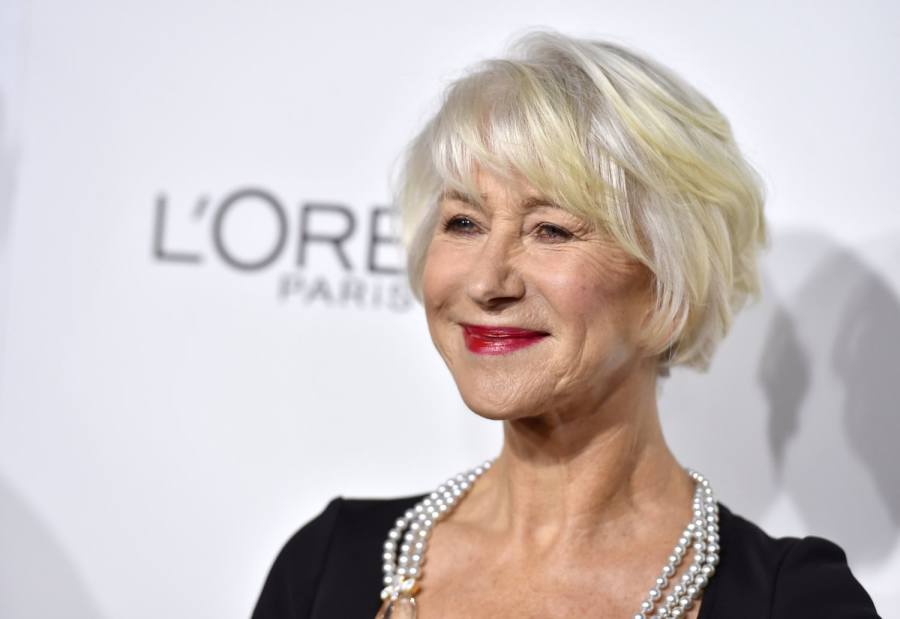
In 2017, Lee was putting out an issue of Allure featuring 73-year-old actress Helen Mirren. To honor Mirren, Lee banned her writers and advertisers from using the word “anti-aging” in the magazine forever. Her goal was to promote aging as a natural part of life.
“As soon as we did it, brands changed,” Lee said. “Some brands said they weren’t quite ready. I have noticed though, more and more, the audience is getting in on it.”
Body diversity can fuel other important conversations for women
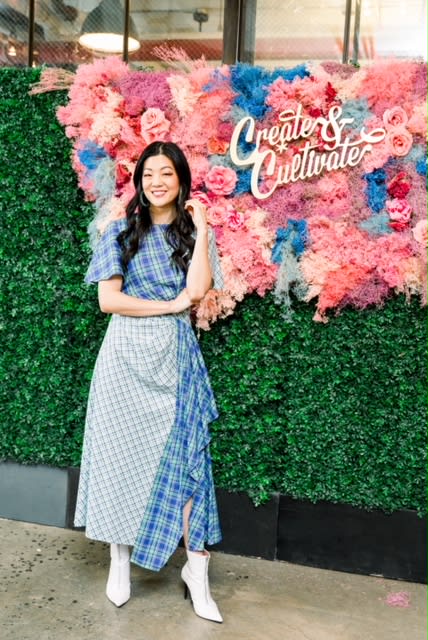
Talking about and encouraging body diversity, which welcomes all shapes, sizes, ages and colors, can spark conversations about deeper issues. That includes racism, eating disorders, depression, binge eating and postpartum issues.
After her first pregnancy, Lee said she had serious body issues. She wasn’t trying to lose weight, but she dropped to under 100 pounds. At one point, she passed out and someone had to call an ambulance.
People close to her were concerned, but the rest of the world thought she looked great.
They didn’t see her suffering, in part, because they’d learned that being ultra-skinny is beautiful.
“I wasn’t taking care of myself. I wasn’t thinking about my body enough,” she said. “Some people would say, ‘you look amazing! You dropped that baby weight!’”
Encouraging body diversity, particularly in the workplace and in the media, can help women understand their own bodies and seek support if they need it, she said.
Being “woke” is good for business
Many millennials and those In Gen Z are all about body diversity. Lee argued that before social media, there were only a few gatekeepers who decided what is beautiful. Now, brands will get called out if they’re not body inclusive, and they might possibly take a hit.
“The kids are woke,” Lee said. “I think there is this positive movement toward making brands accountable for things. We want all brands to be woke.”

Halley Bondy