




It’s no secret that women have made unprecedented strides in seeking and attaining elected office over the last decade. Twenty-eight percent of elected officials in Congress are women (compared to 19 percent 10 years ago), nearly one-third of our state legislature seats are held by women, and we have our first-ever woman vice president.
But while more women are winning elected positions, the looming gender bias within our political system persists. And according to a number of women elected throughout various levels of government — it’s one hurdle to win an election, but quite another to thrive in office.
That was the consensus among more than 60 women across the political spectrum — including Sens. Kirsten Gillibrand, D-N.Y., and Tammy Duckworth, D-Ill., former Georgia House Minority Leader Stacey Abrams, Massachusetts Gov. Maura Healey and Phoenix Mayor Kate Gallego — who were interviewed for a year-long reporting project by Cosmopolitan, “How to Succeed in Office.” The report was produced in partnership with Melinda French Gates-founded Pivotal Ventures.
On Monday, the publication also unveiled its original survey findings that examine the systemic challenges American women face while working as leaders of our democracy, Gen Z’s outlook on those obstacles, and why everyone should be invested in the long-term success of women in elected office.
According to the Cosmo/Pivotal poll (which surveyed more than 2,100 people ages 18 and older across the country), the most significant barrier women in elected office face is sexism.
Women of color felt strongly about this (54 percent would expect to face sexism in an elected job), and Black women in particular are more likely than white women (46 vs. 31 percent) to believe it’s very challenging for women in office to be successful in their positions.
“The findings in this report force a conversation about the fact that while it’s great, and critical, for women to be winning elections and assuming more public positions of power, those women are walking into a situation that’s not set up for their success. In fact, it’s actively working against them,” Jessica Giles, Cosmopolitan’s editor-in-chief, told Know Your Value. “It’s on us as a culture to expose, understand, and correct for that failing.”
Former Georgia House Minority Leader and gubernatorial candidate Stacey Abrams, who authored the report’s introduction, acknowledged that reality.
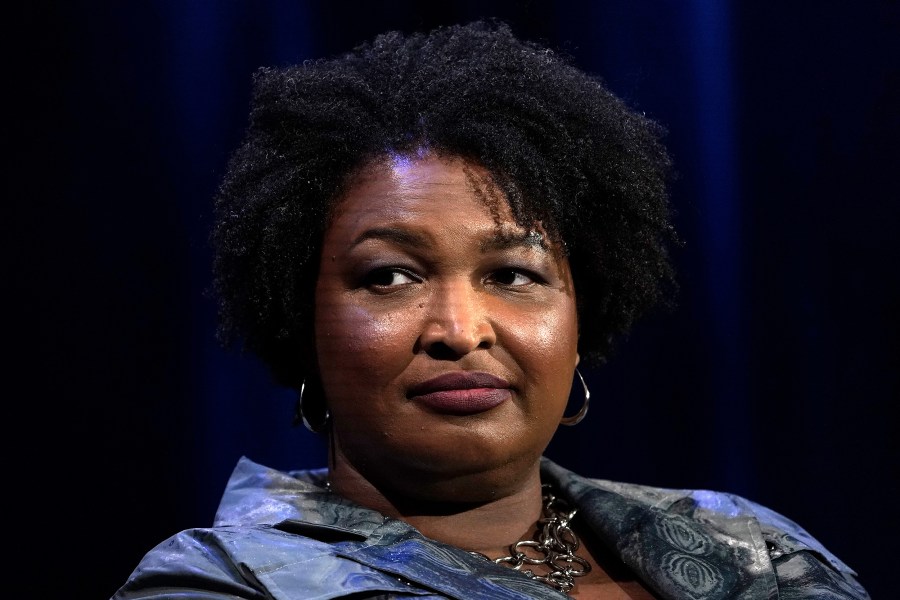
“From committees to capital, from press coverage to political promotion, gender has an impact. When women in legislative offices request committee assignments, they are often relegated to ‘social’ programming: children, the elderly, possibly health. You can typically count on one hand the number of women appointed to Ways and Means, Appropriations, Finance, Transportation, or Utilities — the so-called ‘money committees’ with the greatest cachet,” Abrams wrote.
“We need women in these arenas — in all arenas — to level the outcomes for everyone. Women provide a vital service; they are routinely cited as more collaborative, willing to work across ideological lines, and more likely to serve the public good. Yet once inside the rooms where it happens, women will be expected to learn fast, stay late, be everywhere, and do almost anything … with a fraction of the support a male counterpart might secure.”
In order to level those outcomes, Cosmopolitan interviewed dozens of women across political life — from first-time elected officials and veteran politicians to political strategists and organizational leaders — on the most prevalent barriers women in office face, and how to navigate them.
The expense of holding elected office
According to the report, “45 states pay their legislators a salary that falls below the state’s median household income; other states pay … nothing at all.” That means for many elected women without an alternative source of income, managing the expenses associated with the position could prove onerous.
Therefore, a majority of American women — including 60 percent of women of color — believe that higher salaries for elected women would help them succeed. According to the Cosmo/Pivotal poll, Gen Z (54 percent) and millennial women (49 percent) in particular think inadequate pay is detrimental to job productivity.
That’s why groups like Electing Women Alliance and Leadership Now Project help match women candidates with potential donor support.
She thought being a solo parent would worry voters. Then she was elected Phoenix’s mayor.
Zero work-life balance
When your job is to be accessible to the public, the line between personal and professional often disappears. “I get phone calls, emails, and messages around the clock from people who have questions or need my help,” Sarah Compo Pierce, the mayor of Watertown, New York, said in the report. “The key is knowing when to take a break.” Organizations like Sister District work with state legislators to problem-solve these everyday challenges.
The motherhood penalty in politics
According to Pew Research data, 48 percent of Americans think having children at home is a disadvantage for elected women. The report adds that since most legislative workplaces have unpredictable voting schedules with few or no remote voting options, that prevents many elected parents with young children from thriving.
And the inequity hasn’t gone unnoticed among the younger generations of adults. According to the Cosmo/Pivotal poll, around 40 percent of both Gen Z and Millennial women point to the lack of parental leave and support as reasons why elected women can’t fully succeed at their jobs. Groups like VoteMama aim to make government workplaces more parent-friendly.
Learning the ropes
Many government bodies lack adequate formal training for first-time elected officials, according to the report. That learning curve gets steeper for women because fewer women have held elected positions in the past. “There’s a tremendous knowledge gap that’s compounded for women who may not have had the same experiences and privileges that men have had,” Sister District cofounder, Gaby Goldstein, told Cosmopolitan.
Giles further called upon men in elected office to support their female counterparts. “Get with the program!” she said. “It’s not enough to ‘make room’ for women at the table — you need to make sure they’re treated equitably once they sit down.”
National organizations like Women In Government, Oasis Leadership Network and Higher Heights for America work to help elected women understand legislation, network and build leadership skills.
Fighting sexism
Sexism ranked as the largest perceived challenge for elected women in the Cosmo/Pivotal poll for good reason. “Sexist microaggressions can be a huge source of stress and frustration for women in office,” Cynthia Richie Terrell, executive director and founder of RepresentWomen, said in the report.
Women’s Public Leadership Network and Vote Run Lead are groups that help elected women tackle these issues, starting at the candidate level.
“When I was first elected … Many staffers thought I was an assistant and asked for my ID when I got on the senators’ elevator,” Sen. Kirsten Gillibrand told Cosmo. “Call out people who address you in inappropriate ways or discriminate against you for your age and gender. Then when another young woman is elected to your legislative body, help her. Constantly pay it forward.”
Addressing political threats and violence
According to the Brennan Center for Justice, 43 percent of state legislators have experienced threats or physical attacks within the past three years.
Similarly, the Cosmo/Pivotal poll showed that 40 percent of Gen Z women (compared with 25 percent of boomer women and 30 percent of both Gen X and millennial women) say threats to physical safety are a problem for women in local elected office. Further, nearly 50 percent of Gen Z women think that protections against these threats would better help women in office succeed.
“How on-the-money young people’s understanding of political life is—and how deep their investment,” Giles added. “They have a perhaps disappointing expectation of sexist obstacles for women in power, but they also have an innate appreciation for the importance of even the smallest roles in making capital-C Change; it seems to be making them more aware on a larger scale about the value of local government.”
Groups including New American Leader’s Elected Officials Network and The States United Democracy Center offer guidance and anti-political resources to help protect officials and their families.
Want a woman in the White House? Break the gendered double standards.
How voters can support women in office
Aside from donating to female candidates, getting involved in their campaigns and endorsing their platforms, Cosmo urged support for proposed legislation that could help more women thrive in office.
“While there are many proposals out there poised to improve the life of women in all levels of office, we highlighted a few pending nationally so that [everyone] can immediately contact their U.S. representatives and urge them to support these resolutions, like House Resolution 220, which calls on Congress to recognize the disproportionate gender-based harassment women in office face and implement policies to protect them.”
House Resolution 220
Promotes women’s political participation and reduces violence against women in politics.
House Resolution 445
Calls for the Senate to ratify the United Nations’ CEDAW treaty — the Convention on the Elimination of All Forms of Discrimination Against Women.
House Resolution 543
Allows House members to attend proceedings remotely and vote by proxy when they’re dealing with a child’s or their own serious medical condition, including any pregnancy-related one.
House Resolution 967
Would allow any House member who recently gave birth to designate a colleague to vote on their behalf for up to six weeks after having a baby.
“The barriers are clear, but within all the challenges for women in office lies the ability to adapt and overcome — if the rest of us are willing to help,” Abrams wrote. “Now is the time to go beyond the poetry of winning elections into the tough work of owning power. And I know together we can get good done.”

Bianca Brosh