




In many ways, the Black Lives Matter protests in the aftermath of George Floyd’s death have fueled the desire for change in corporate America, much like the #MeToo movement did following media mogul Harvey Weinstein’s sexual abuse allegations.
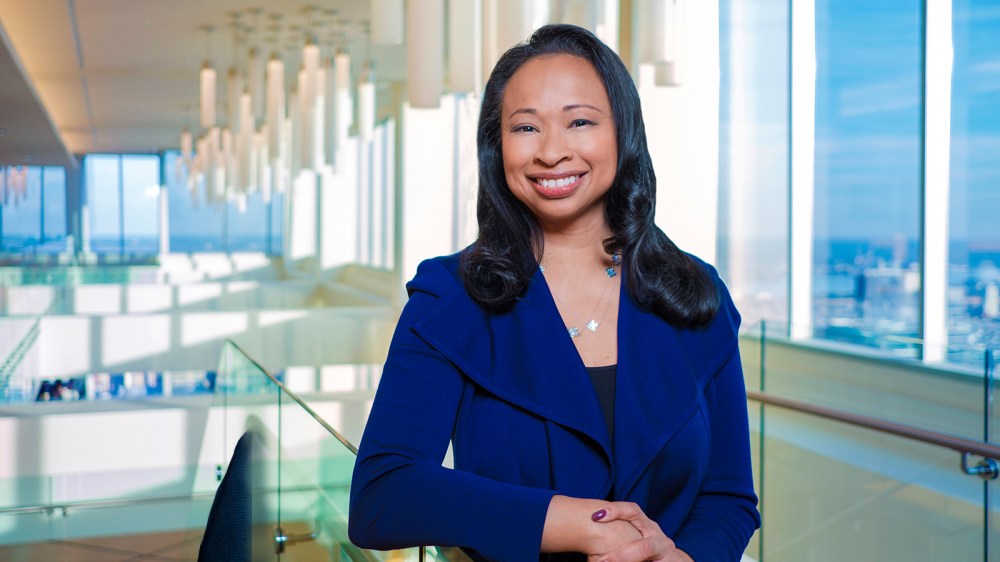
And amid this national reckoning and fight against systemic racism, Dalila Wilson-Scott is optimistic that real progress is on the horizon.
“One of the best things about this moment is everybody is questioning and challenging everything we knew about diversity before now, regardless of what your perspective is. Everybody’s being that much more educated, asking many more questions. And that’s a good thing,” said Wilson-Scott, who serves as executive vice president and chief diversity officer of Comcast Corporation.
Wilson-Scott, who oversees all the diversity, equity and inclusion initiatives at the company, recently chatted with Know Your Value founder and “Morning Joe” co-host Mika Brzezinski about this pivotal moment in history, noting, “we have the ability to transform our culture like never before … I think people are finally buying into that.”

Wilson-Scott and Brzezinski discussed several topics, including how diversity and inclusion efforts are changing across America, her pivot from corporate finance, the best career advice she has ever received, what “knowing your value” means to her and more.
Below is their conversation, which has been edited for brevity and clarity:
Mika Brzezinski: As chief diversity officer, what do the words “know your value” mean to you in the job that you do?
Dalila Wilson-Scott: When I think of underrepresented populations, it’s a question that we’re faced with all the time. Do we know how much we’re valued? And most importantly, do the others around us know that? And sometimes there’s a big gap there.
I think it’s up to all of us to help close that gap. It’s a constant reminder that there will be people who undervalue you throughout your life. And everybody around the table is responsible for closing that gap. So I love it when I hear “know your value” because it’s a constant reminder. But it’s also a reminder of the challenge that we still have before us.
Brzezinski: Absolutely, I totally agree with you. You started out in corporate finance at JP Morgan and then you moved over to the philanthropic side. I’m curious about making a big change like that, because that’s something women sometimes struggle with. What was the impetus for making this move, and what did you learn from it?
Wilson-Scott: There are two big moves in my life that I think about from a career standpoint. One is moving from the business side of the house, corporate finance, to the philanthropy team. And the other is right after 17 years of financial services, joining Comcast and NBCUniversal.
For the first piece, the truth is I never thought of it as a permanent shift. I was just coming off of a major merger. It was great work, but it was tiring. I certainly was looking to do something different … And [my employer] said, “Hey, you know, we need someone to bring a business lens to our philanthropic work. We want it to be much more integrated now.”
I was working for a great CEO and team. And I always envisioned it would be like, “OK, you’ll go there for a couple of years, and then you’ll go back to the business [side of things].” But I absolutely loved it. I loved how integrating the business with that work was critical. And now, of course, it’s something that all companies talk about. It wasn’t at that time. But you know, even in coming here at Comcast NBCUniversal, or anytime you get asked to make a move that seems too big, too risky, different from what you’re doing, I think number one is to realize that it doesn’t have to be your last move.
A lot of times in life, we get tripped up by decisions that we feel like are so final. And the truth is, there’s nothing final about it.
…And actually, both times someone thought of me for something I would have never thought of myself for. It’s just, again, yet another reminder that when you have sponsors in the room, when you have people that are recognizing your value in ways that you’re not, it’s helpful to have those conversations.
People can see things in you that are completely transferrable in places you can’t even imagine. And I think when you’re thinking about big moves, you need to think about that. Don’t start with your deficit, start with the assets you’re bringing to the table … Remember in that moment, there’s a reason you’re getting called.
Brzezinski: Sometimes when women get that call, they assume it’s bad news. They have a hard time managing change. Many of us are like, “Why? Wait, what did I do? What’s wrong?” They’re quick to follow rules and not think about things outside of them. And I wonder if any of this strikes you.
Wilson-Scott: Definitely. I have a great role open right now, and I can’t tell you the number of people who reached out just to have kind of an off-the-record conversation about it. And the number of women that have said to me, “what risks do you think I’m taking by interviewing for the role?” [They are thinking] “Is it going to somehow set me back?” as opposed to, “Hey, who might I be by interviewing for this role? What do I bring to the table?”
…That’s not what I’m hearing from the men who are reaching out for these conversations… We have to shake that deficit framing.
Brzezinski: The different approaches from men and women is just unbelievable. What’s the best career advice you’ve gotten?
Wilson-Scott: The best advice I’ve gotten is be authentic to yourself, even when you feel like it’s going to be costly. That is hard advice to follow…I think you can always sleep at night when you do that …
Brzezinski: If you could speak about this moment in history, with everything that has happened with Black Lives Matter and race and as it pertains to the work that you’re doing at Comcast. Has it changed anything in terms your leadership or plans? And how people are responding in the workplace? I can imagine this is topic number one.
Wilson-Scott: It absolutely is. And I would say it should be topic number one for everybody. One of the best things about this moment is everybody is questioning and challenging everything we knew about diversity before now, regardless of what your perspective is. Everybody’s being that much more educated, asking many more questions. And that’s a good thing.
I think the hard part of it is we’re all in this discomfort together, and we’re in that awkward moment. I think what a lot of people who lived a life of privilege don’t recognize is that when you look at people in underrepresented communities ― we’ve been living like this every single day, well before 2020. So, well, welcome to the party. That said, we all need to grow together …
This moment is going to be critical to how we come out of it. How we set our future intent, and our future aspiration. Our company, as great of a record we’ve had with diversity, equity and inclusion — we’re one of the best companies out there — we have room to improve. We have the ability to transform our culture like never before, and it’s going to be great for our employees, for our customers and our business overall. And I think people are finally buying into that.
I also think people who have a DEI team, holed up in some small office, doing a couple programs here and there ― that’s not going to serve anybody well. And it’s certainly going to be challenged by people in a different way. The expectations are much higher… And I can appreciate that, am ready for that challenge and just excited that everybody realizes it’s going to take every single person in the company to move us forward. It’s not about one team, one program, one training. This is a continuous journey that we have to be open to and ready to meet that moment.

Know Your Value staff