




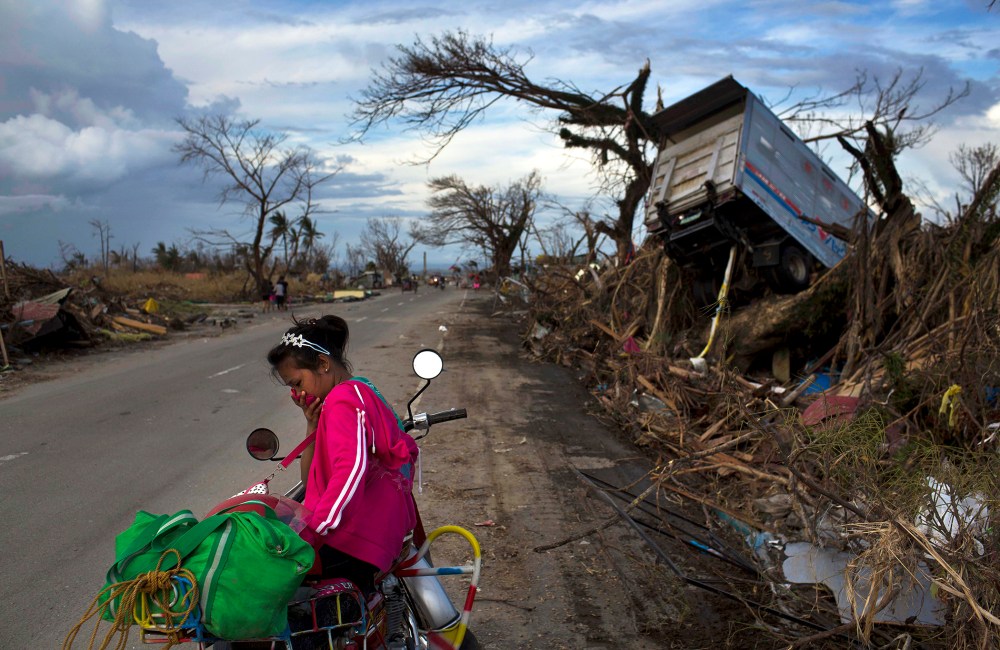
For the victims of Typhoon Haiyan, water has become both a destructive force—devastating storm surge wreaked havoc on coastal regions—and a precious, life-or-death commodity.
Clean, potable water has become scarce, raising the risk of severe dehydration and water-borne illnesses like dysentery, cholera and typhoid fever. The island’s water system was already fragile—nonprofit Water for Water reports that up to 40% of Filipinos had limited or no access to clean water before the storm—but it’s been wiped out by the storm.
“Clean water is now very hard to find and people are drinking from and bathing in the same waterways that are filled with rotting corpses, dead animals, sewage, and debris,” NBC News’ Dr. Nancy Snyderman reported.
An Oxfam emergency responder Taka Abello-Bolo noted that survivors are “already vulnerable to begin with” and that there are many risks associated with contaminated water.
“They could get diarrhea, they could get diptheria, they could get typhoid fever,” she said in an interview.
Some are boiling their water to reduce disease, but dehydration and disease worry doctors who are in some cases struggling to work without basic supplies and electricity.
The estimated death toll has been greatly reduced from 10,000 to 2,500 but NBC News meteorologist Bill Karins reports that the need for food and water could continue to add to those numbers.
Related: How you can help Typhoon Haiyan survivors
“The race is on, to get these people water and food; a lot more lives are probably going to be taken because of the inhumane conditions, without the fresh water and the sanitary conditions, especially in Tacloban City,” Karins said on Monday’s Morning Joe.
Bottled water is just a stop-gap measure, Snyderman reported; large water tanks are needed but they pose another challenge as they require electricity.
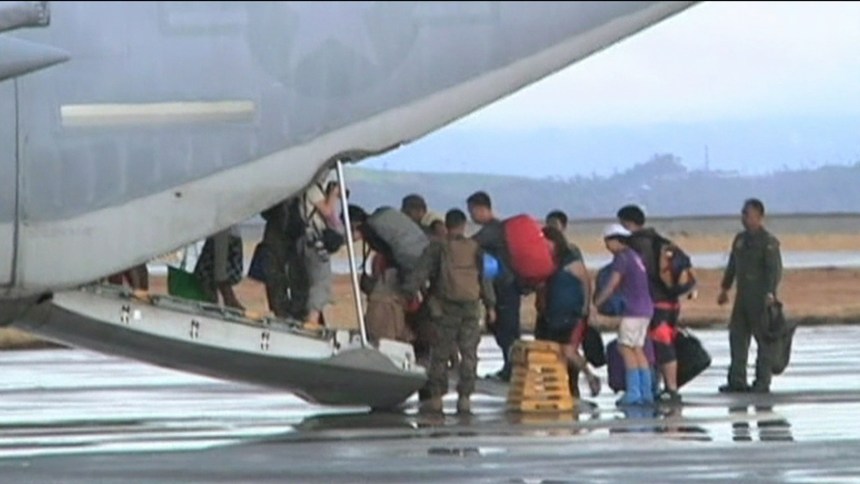
Emergency water supplies have been delivered by the U.S. military and Philippine officials are working to install massive, 20,000-gallon water tanks in three central locations where it can be chlorinated and sent through local pipes for public use.
Bad weather has also delayed the USS George Washington in its journey from Japan to the Philippines, too; the vessel is carrying supplies and marines, but it notably has the capability of purifying 400,000 gallons of water a day. Though it was originally expected to arrive as early as Wednesday or Thursday, it will now take as many as five days to arrive.

Jane Timm