




The bombshell discovery of a report that U.S. government officials had ordered burned has the potential to expose the truth about one of the most radical policy decisions in all of American history. A policy that one young Naval intelligence officer desperately tried to warn his superiors was unwarranted and unnecessary.
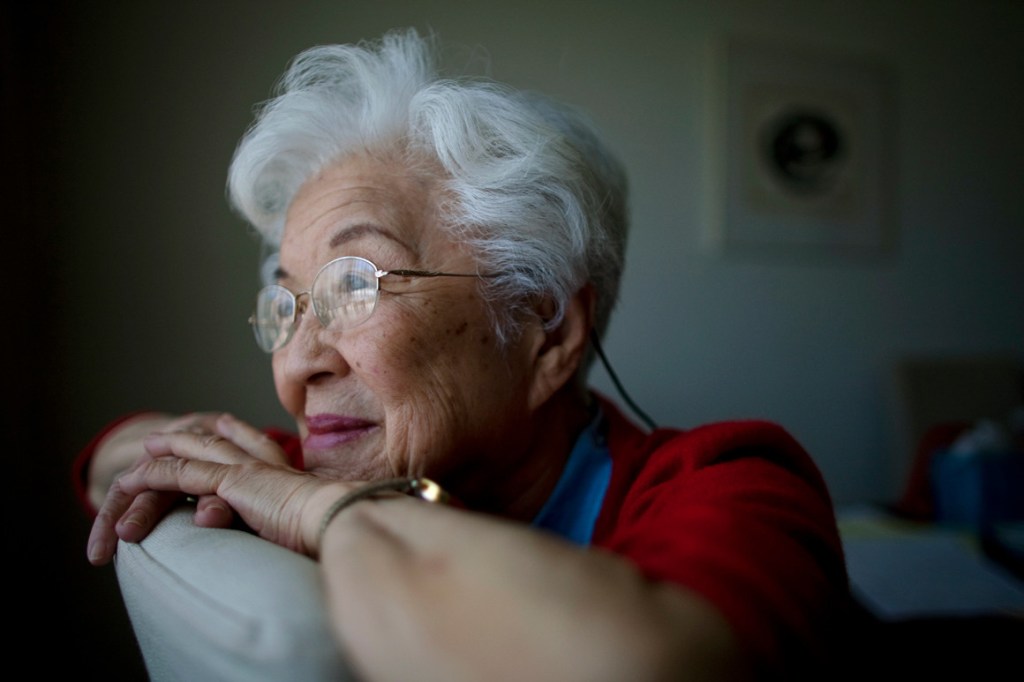
Aiko Herzig-Yoshinaga
Researcher Aiko Herzig-Yoshinaga, pictured in 2011, who made a key discovery in the National Archives in the 1980s
(Credit: Gina Ferazzi/Los Angeles Times via AP)
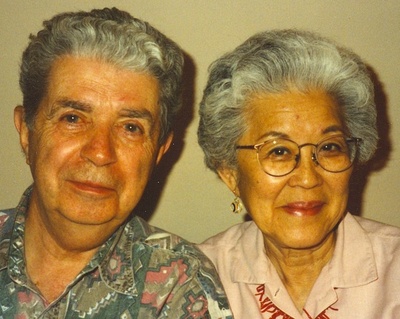
Aiko and Jack
Aiko Herzig-Yoshinaga and her husband Jack Herzig, who spent hours researching together in the National Archives
(Credit: Japanese American National Museum)
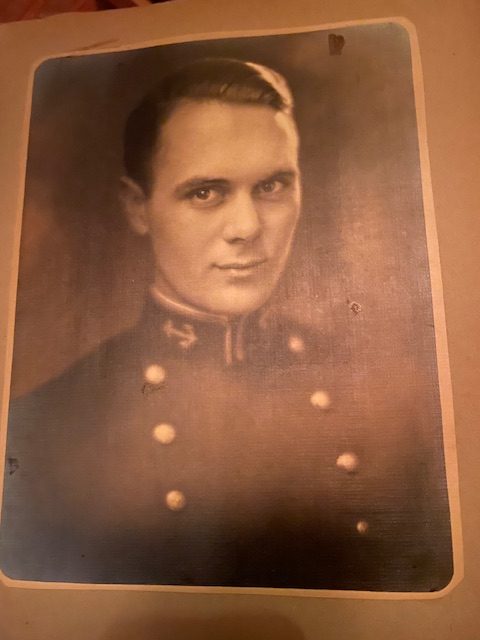
Ken Ringle (U.S. Naval Academy)
Ken Ringle, pictured in 1923, while studying at the U.S. Naval Academy in Annapolis, Maryland
(Credit: Kenneth Ringle)
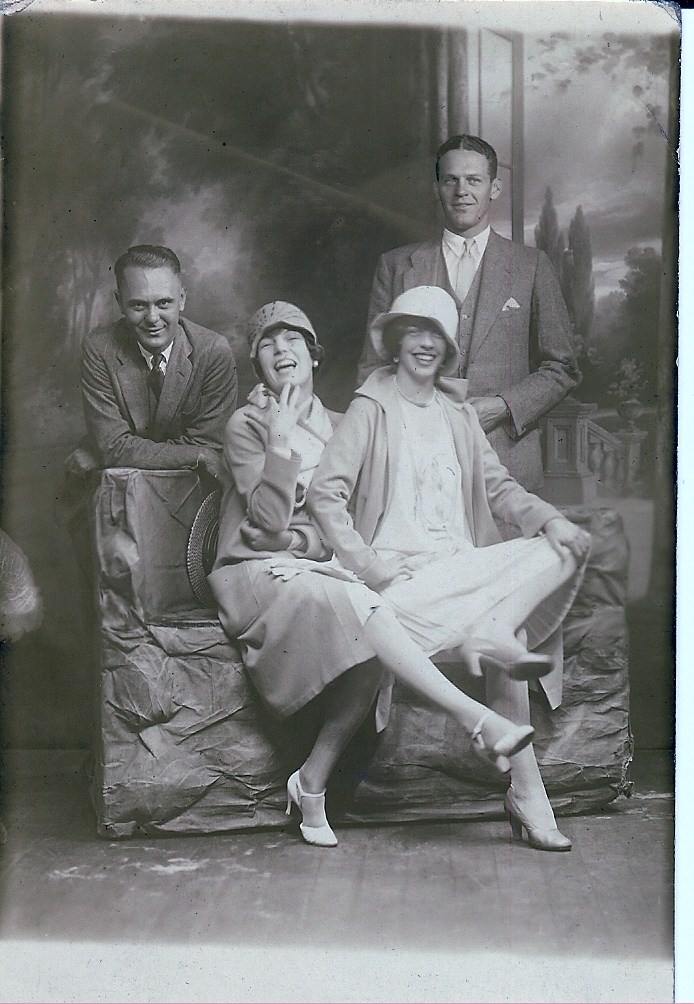
Ringle during Prohibition
Navy officer Ken Ringle (far left), pictured in 1927, ahead of his assignmment as a U.S. Naval Attaché at the U.S. embassy in Tokyo
(Credit: Kenneth Ringle)
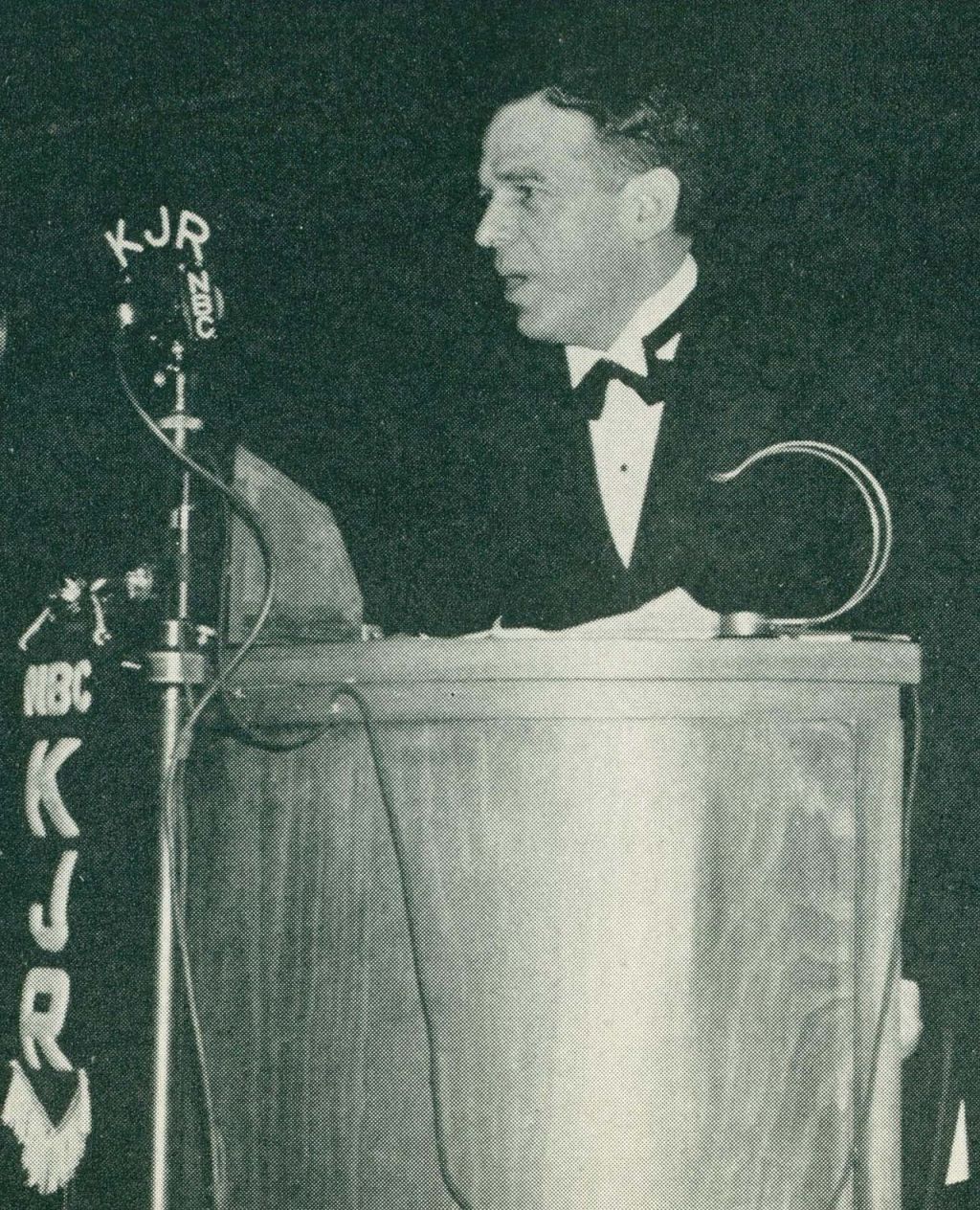
Ralph Townsend
U.S. Foreign Service officer Ralph Townsend, who was arrested in 1942 and convicted on charges of operating as a Japanese spy in America.
(Credit: Columbia University Press)
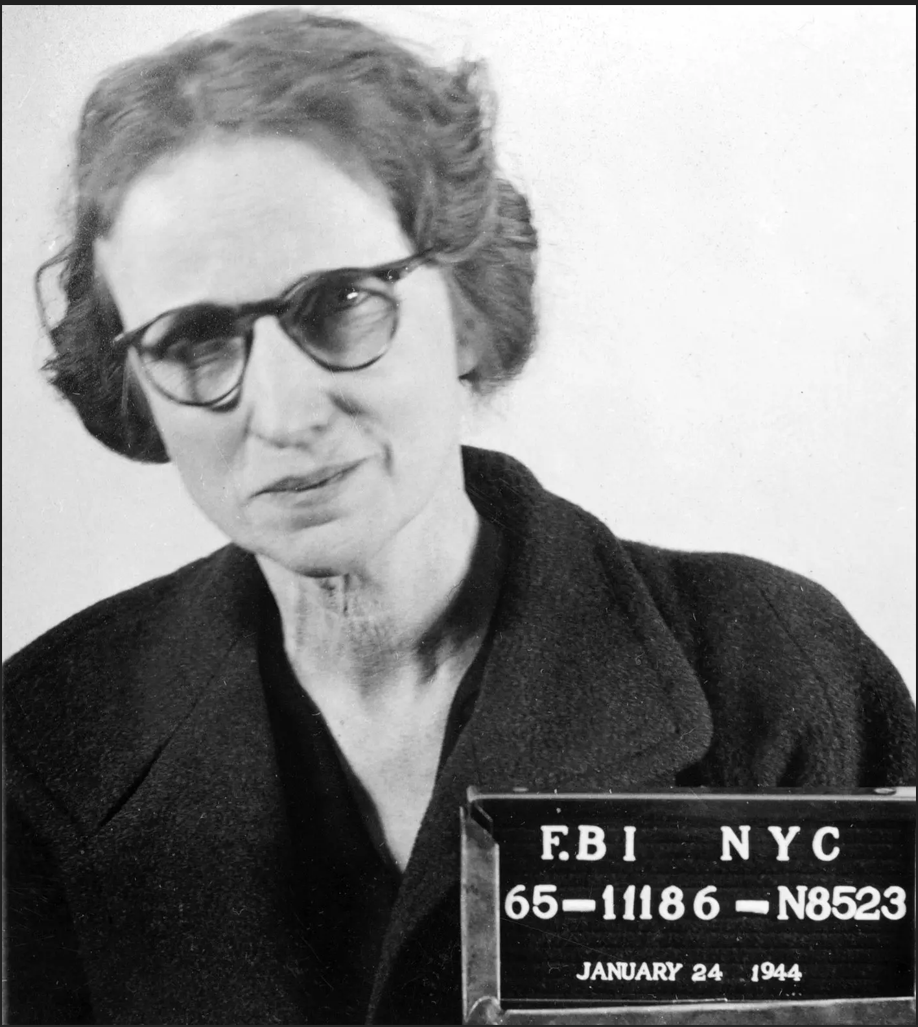
Velvalee Dickinson
New York City doll shop owner Velvalee Dickinson, who was arrested and charged in 1944 after federal officials discovered she had been sending secret coded messages to the Japanese government
(Credit: Federal Bureau of Investigation)
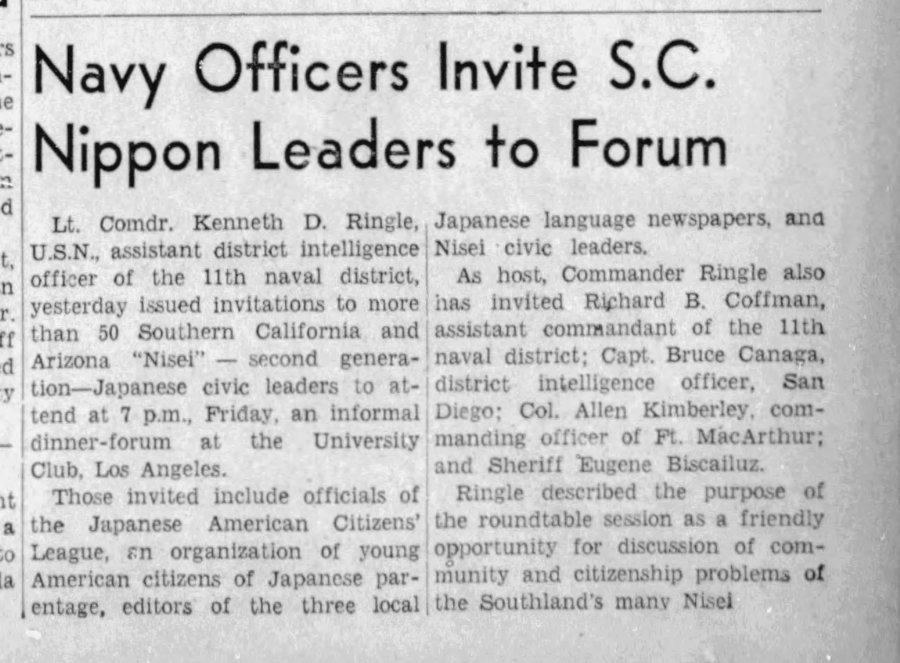
Ringle Intelligence Work
Naval Intelligence Officer Lt. Cmdr. Ken Ringle organizes a Japanese American event in Los Angeles as part of his intelligence work assessing the loyalty of Japanese Americans on the west coast
(Credit: San Pedro News-Pilot (March 19, 1941))
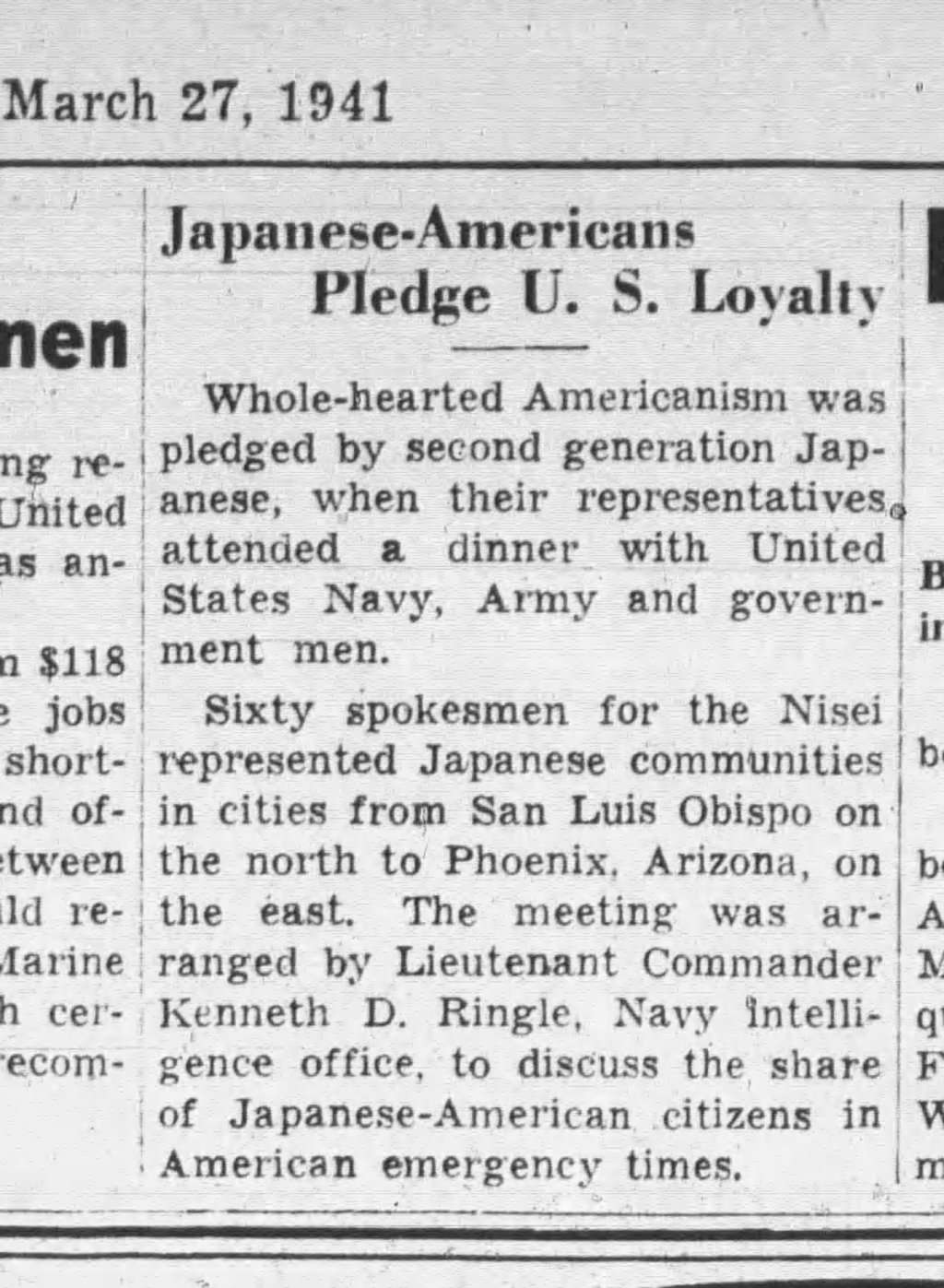
‘Pledge U.S. Loyalty’
Japanese Americans in California and Arizona pledge “whole-hearted Americanism” after a 1941 meeting with Navy Lt. Cmdr. Ken Ringle, months before Pearl Harbor
(Credit: Eastside Journal (March 27, 1941))
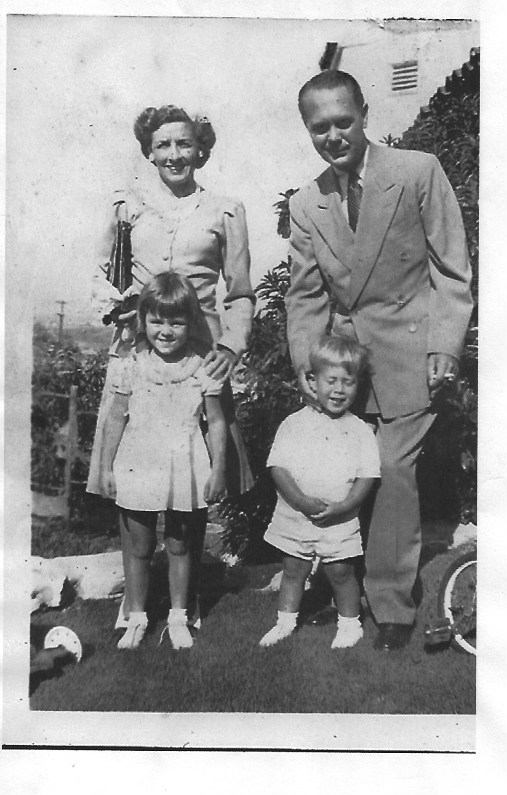
Ringle in California
Naval Intelligence Officer Lt. Cmdr. Ken Ringle (top, right) with his family in southern California in 1942-43, shortly after the outbreak of World War II
(Credit: Kenneth Ringle)
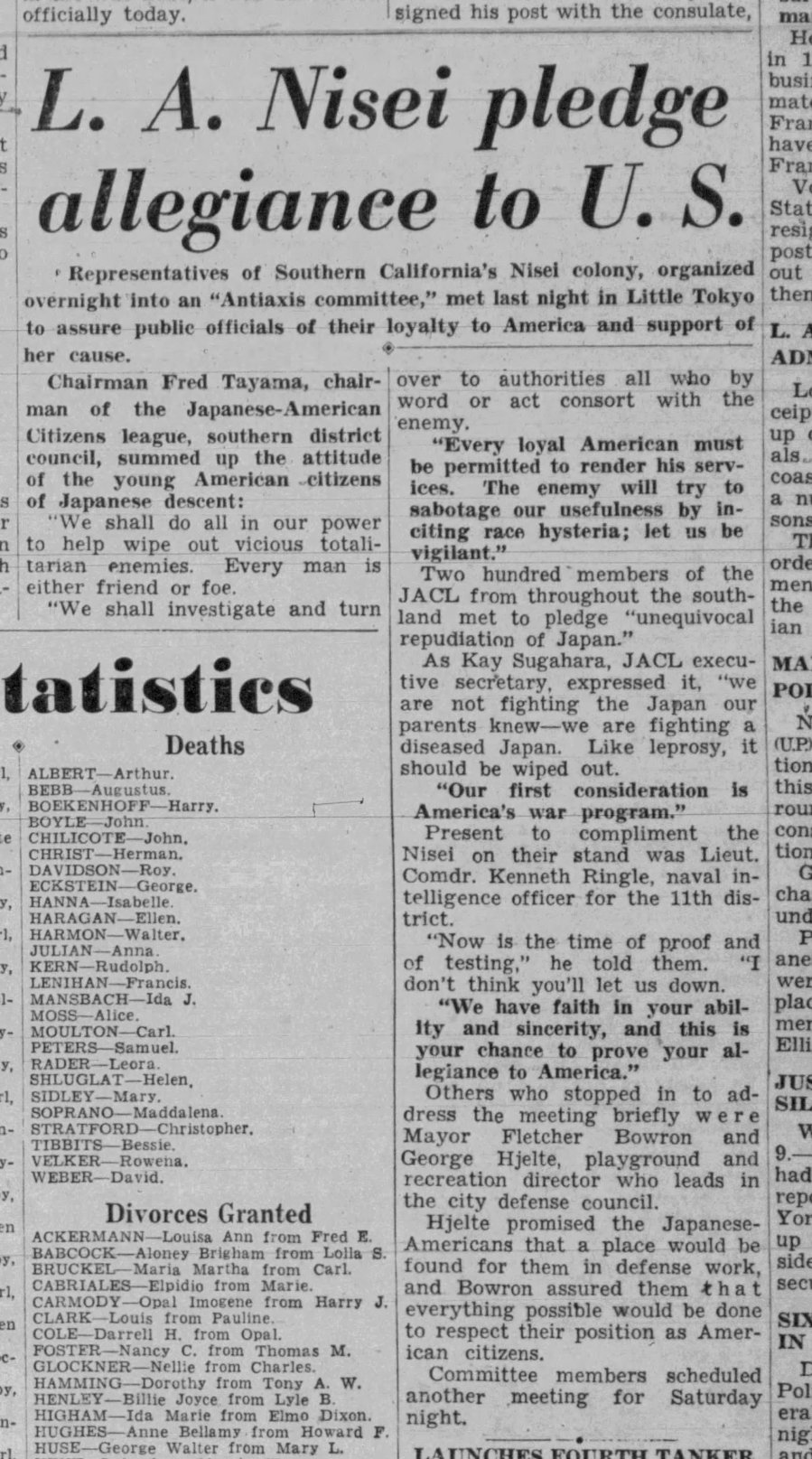
‘Faith in Your Ability’
Japanese Americans in Los Angeles pledge public allegiance to the United States, after the attack on Pearl Habor. Navy Lt. Cmdr. Ken Ringle tells them, “we have faith in your ability and sincerity.”
(Credit: Los Angeles Daily News (Dec. 9, 1941))
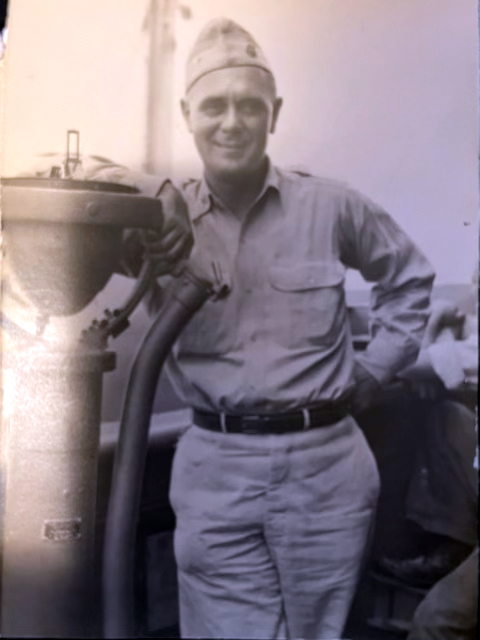
Ringle in Command
U.S. Navy Captain Ken Ringle commanding the USS Wasatch in the South Pacific in 1945 during World War II
(Credit: Kenneth Ringle)
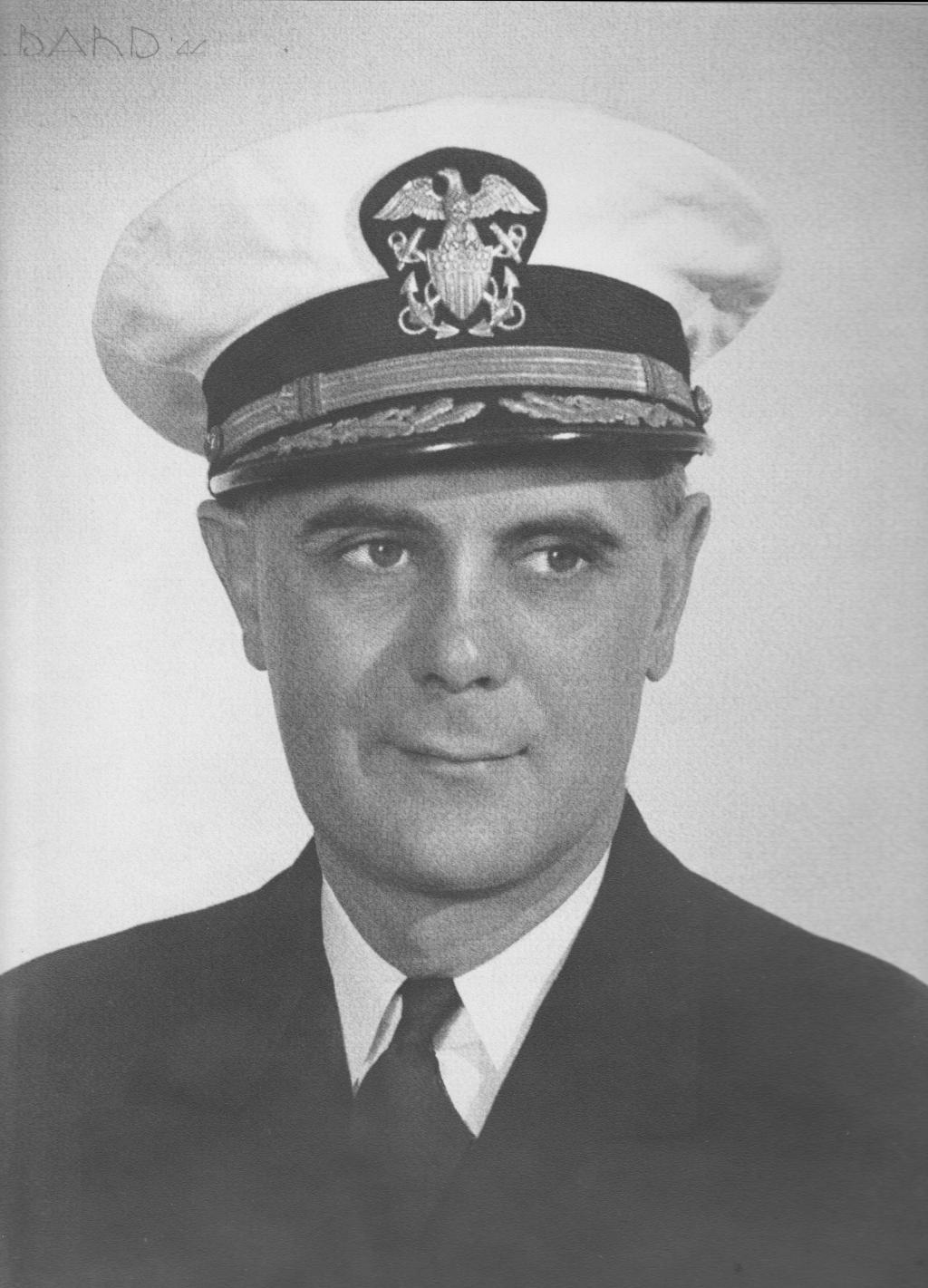
Rear Admiral Ringle
Ken Ringle, who was promoted to Rear Admiral upon his retirement, saw his views and recommendations about the loyalty of Japanese Americans pushed aside and ignored at the outset of WWII
(Credit: Densho / Courtesy of the Ringle Collection)