




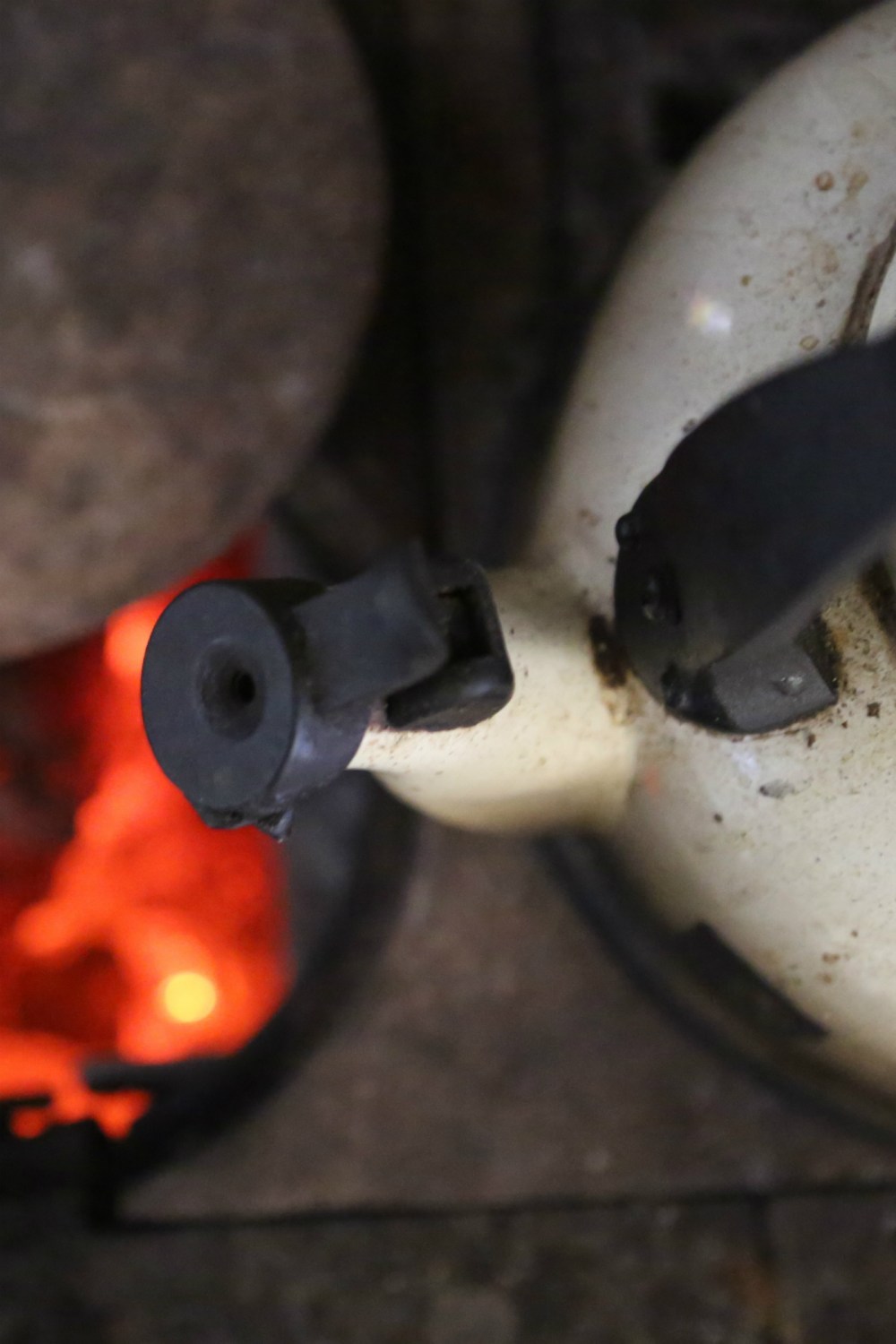
Sometimes a problem can be both an inconvenience and a mortal danger. Globally, for example, exposure to household air pollution from open fires and traditional cookstoves—which are often fueled by wood, animal dung, or coal—kills more than 4 million people annually, according to the World Health Organization, of such afflictions as child pneumonia, lung cancer, and heart disease. That death toll exceeds the combined fatalities from malaria, AIDS and tuberculosis. A disproportionate number of these millions are girls and women, who tend to run the kitchens.
Two years ago, Esther Rukaro surveyed the reliance of her own community, in Kenya, on such cookstoves and decided to do something about it. With the aid of Global Alliance for Clean Cookstoves—a United Nations Foundation-hosted initiative supported in part by the Caterpillar Foundation—and the Alliance’s Women’s Empowerment Fund, she acquired startup funding to launch a clean cookstoves distribution enterprise.
Cleaner fuels, including gas, solar, electric and biogas power these cookstoves, which offer health and economic benefits.
“These fuels are similar to those you and I use in our own homes,” said Kip Patrick, Global Alliance for Clean Cookstoves’s director of global communications.
He notes that by using clean cookstoves and fuels, the toxins that emanate from traditional coal cookstoves are greatly reduced. This means healthier living for the women who operate them. Then there are the economic benefits of clean cookstoves. With traditional cookstoves, Patrick said, a family may spend upwards of 30 or 40 percent of its income simply on fuel.
“For people living on a few dollars a day, this money is a precious resource that could be better used elsewhere—sending children to go to school, for example, or investing in their own family,” says Patrick. “The financial and health impacts of the cookstoves and fuels can really hold a family back.”
Rukaro’s first loan was small, but it enabled her to buy fifty clean cookstoves, which she stored at a local repository. Remarkably, she sold them all within a week. This wasn’t an aberration; Rukaro’s business was so successful that she quickly became a full-time sales agent for a major cookstoves producer in Kenya. She is now able to provide for herself and her family.
Rukaro wasn’t alone; the Global Alliance for Clean Cookstoves has helped hundreds of female entrepreneurs in the household energy sector.
The Alliance’s programs don’t, however, simply benefit business owners. They benefit women like Mercy, a mother from rural Kenya. Her traditional stove belched toxic smoke that burned the eyes and lungs of her family.
She, too, switched from a traditional ceramic cookstove, with the help of the Alliance’s Women’s Empowerment Fund program. With her new clean cookstove, Mercy and her family now breathe cleaner air, and she saves about $5 every month on charcoal–crucial savings that are put towards school fees and food for her children.
Michele Sullivan, President of the Caterpillar Foundation, says that the great value of the Alliance is how it allows women like Esther and Mercy to live a more balanced life. According to Sullivan, women ordinarily “have to go search for the materials to burn in the stove,” with a baby strapped to their backs. Now they are freed up to spend their time on other activities.
The result? As Sullivan says, “These women now breathe cleaner air, go to school instead of walking to get firewood, and use the time saved to work, to become entrepreneurs, and to change their own society and the world at large.”

The place for in-depth analysis, commentary and informed perspectives.