




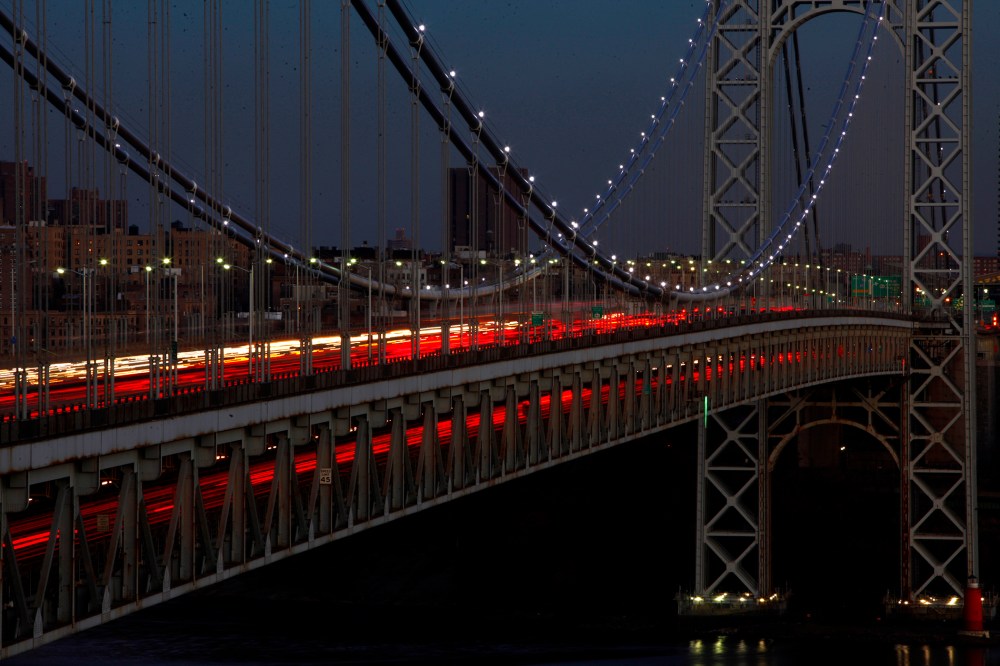
New Jersey’s Senate and Assembly voted on Monday to merge their separate inquiries into the George Washington Bridge scandal, creating a unified select investigative committee. Both chambers approved the measure unanimously, albeit only after some partisan sparring over the future of the investigation into allegations that Gov. Chris Christie’s staff engineered a major traffic jam as an act of political retribution.
Republicans made no effort to block the merger of Senate and Assembly inquiries, though they did attempt to gain more control over the future of the investigation. In both chambers, New Jersey Republicans demanded greater representation in the joint committee and guarantees that they would have equal access to subpoenaed documents. A Democrat-led investigation into a Republican governor could appear to be a partisan witch hunt, they argued, unless legislative Republicans wield influence in the investigation.
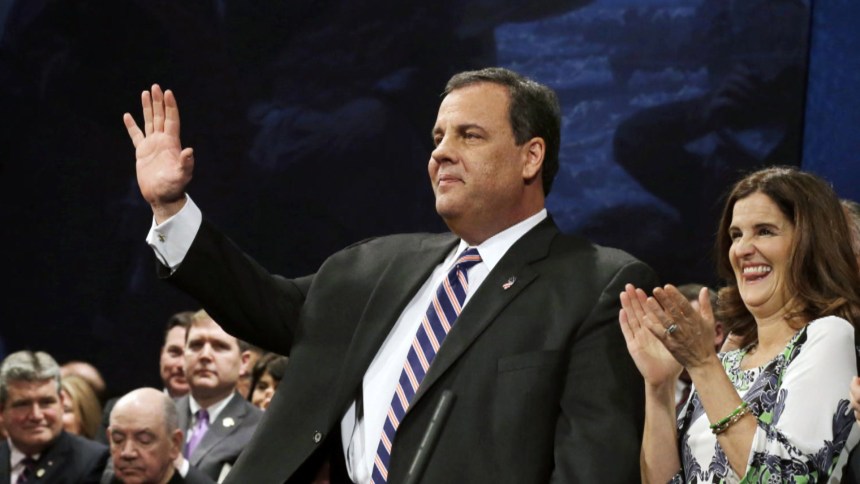
Refusing the state Republicans a greater role in the committee’s deliberations would raise “concerns for the citizens of this state that this will not be a fair and impartial entity, but it will be an entity that is partisan in its nature instead of pure fact-finding,” Senate Republican Leader Tom Kean Jr. said.
The select committee will be made up of eight Democrats and four Republicans. In the Senate, Kean proposed an amendment which would have added a fifth Republican to the committee. That measure was defeated 22-15.
“While not exactly proportionate, [the committee’s 2-1 ratio of Democrats to Republicans] reflects the partisan makeup of the legislature and other committees,” a spokeperson for Democratic Assemblyman John Wisniewski, one of the sponsors of the bill, told msnbc over email. The Senate has 24 Democrats and 16 Republicans, whereas the Assembly has 48 Democrats and 32 Republicans.
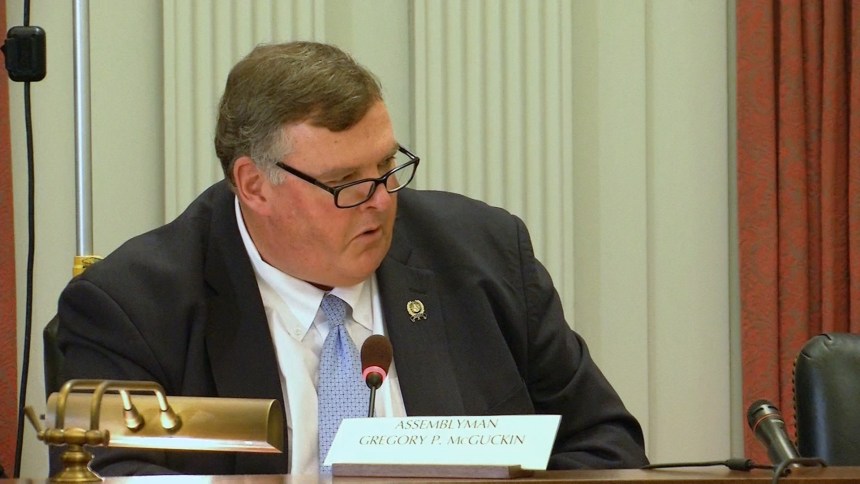
During floor debate, Wisniewski promised to share subpoenaed documents with the Republican Party, but suggested that they would not have access to all the documents right away. In the Senate, Democrats also made clear that the select committee would retain the services of Reid Schar, the man who sent former Illinois Gov. Rod Blagojevich to prison, and the Assembly Democrats’ pick for counsel to their chambers’ inquiry. Senate President Stephen Sweeney, a Democrat, defended Schar’s bipartisan credentials.
“He has a track record of going after Republicans, Democrats, and anyone who’s done something bad,” said Sweeney.
Working with Schar, the Assembly committee has already issued 20 subpoeanas. Those subpoeanas are still in effect under the new select committee.

Ned Resnikoff is an urban policy analyst, researcher, writer, and editor. His byline has appeared in a variety of publications, including the New York Times, San Francisco Chronicle, Dissent, and The Nation. He writes the newsletter Public Comment, which can be found at publiccomment.blog.