




This is the March 12, 2026, edition of “The Tea, Spilled by Morning Joe” newsletter. Subscribe here to get it delivered straight to your inbox Monday through Friday.
“I assure everyone that we will not refrain from avenging the blood of your martyrs.”
—
Iranian Supreme Leader Ayatollah Mojtaba Khamenei, vowing retaliation after a deadly U.S. strike on a school in Minab
GUEST ESSAY – JONATHAN LEMIRE, STAFF WRITER, THE ATLANTIC
Trump’s War Lacks a Marketing Plan
A year ago yesterday, President Trump turned the White House lawn into a Tesla showroom to try to boost the slumping sales of his then-pal Elon Musk’s electric-car company.
A few months ago, Trump declared from behind the Resolute Desk that he was Boeing’s “salesman of the year,” claiming to have helped facilitate the purchase of hundreds of aircraft.
And long before he entered politics, Trump slapped his name on just about anything — apartment buildings, steaks, even a dubious for-profit university — to market it to the masses. Trump will sell anything.
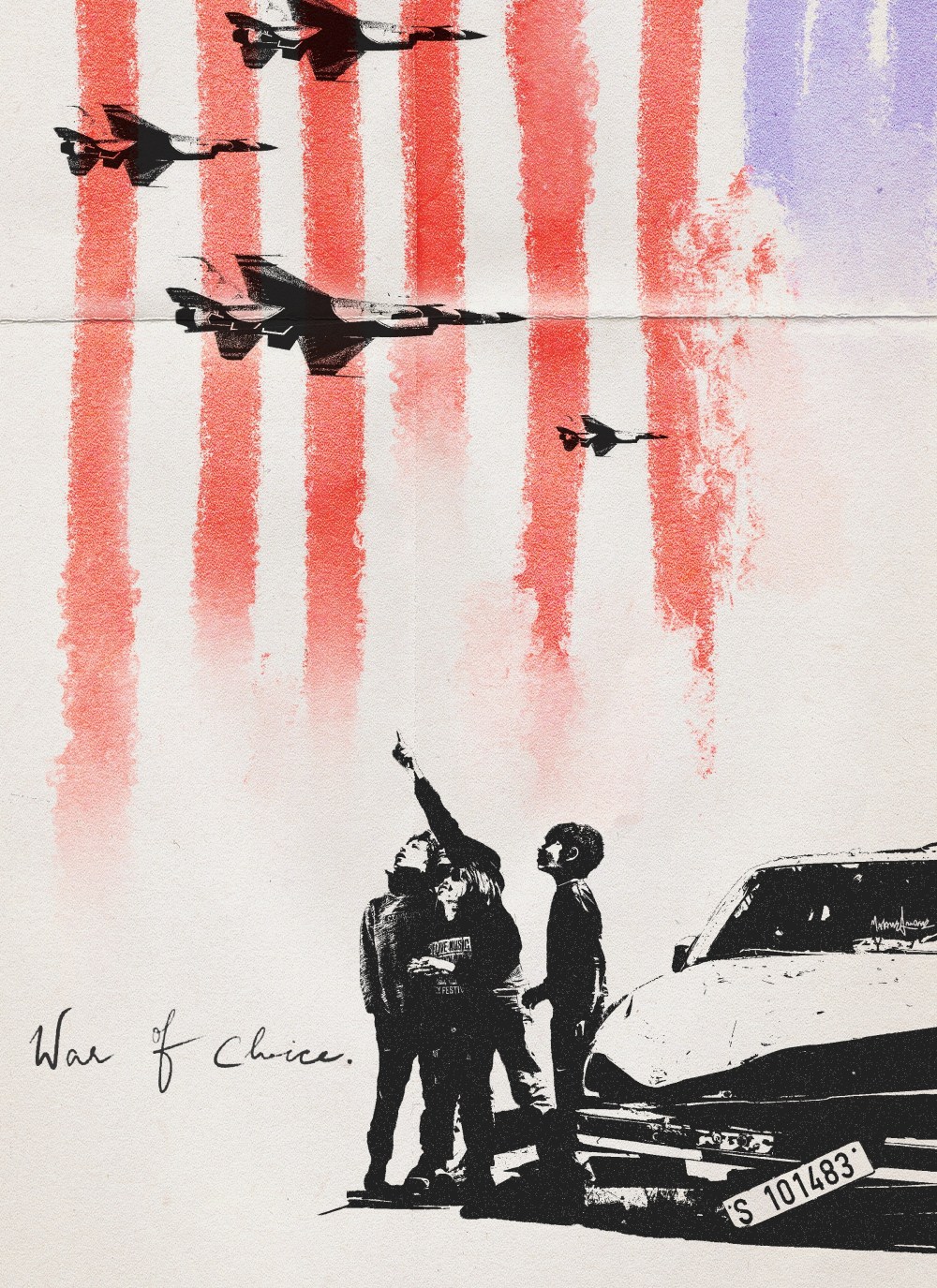
He has now made one of the most consequential decisions of his presidency: launching a war against Iran. The conflict, which is well into its second week, has widened throughout the Middle East, sent oil prices skyrocketing, and caused tumult in the financial markets. Yet Trump has not sold the war. In many ways, he hasn’t even tried.
The absence of a sales strategy is all the more confounding when you consider the political stakes.
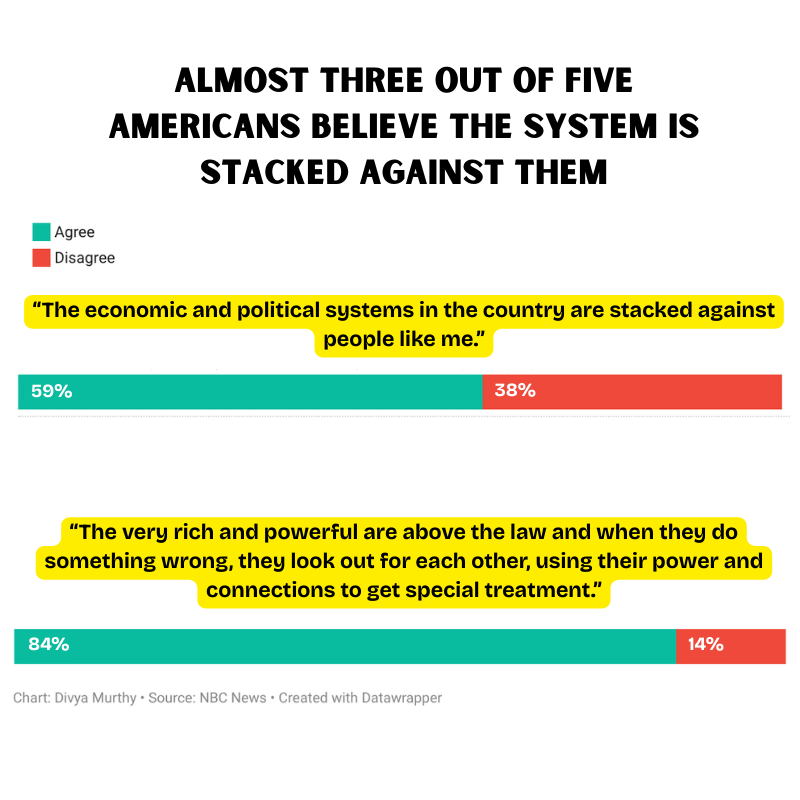
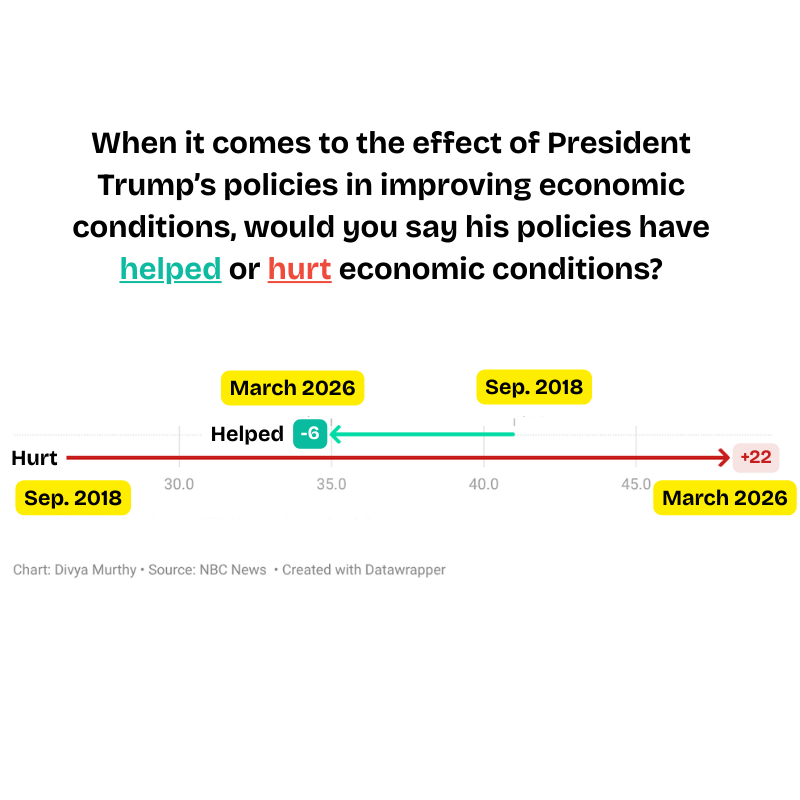
Even before the war began, most Republicans privately acknowledged that keeping the House would be challenging. Now they will be forced to defend a war that, polls show, Americans didn’t want.
Already, seven U.S. soldiers have died, and approximately 140 more have been injured. Tens of thousands of Americans were stranded in the Middle East after the Trump administration did not facilitate their departure — or evacuate government outposts — before Iran retaliated.
And, of course, there is the price of gas. The average cost of a gallon has jumped by more than 50 cents since the conflict began. This spike has been the subject of relentless news coverage and, yes, has been splashed across those gas-station billboards. Even for voters who rarely care about foreign policy, the rising cost of filling up their tank has been unavoidable. And more price hikes are likely coming to airfare, shipping, and groceries, just to name a few.
Elections are in many cases won or lost on economic issues. But there are moments when Americans are willing to endure fiscal hardship or accept that the nation will make sacrifices for a greater good.
Presidents of the past have made a point of convincing Americans that it was worth it. Franklin D. Roosevelt famously made the case for World War II, and his nation endured years of rations while sending a generation of young men off to battle.
George H.W. Bush built an international coalition and sold the public on the need to push Iraqi forces out of Kuwait. And although the public would eventually sour on his son’s own war in Iraq the following decade, George W. Bush made the case for the conflict.
Trump has done none of this.
Read more in Jonathan’s piece in The Atlantic.
CHART OF THE DAY
ON THIS DATE
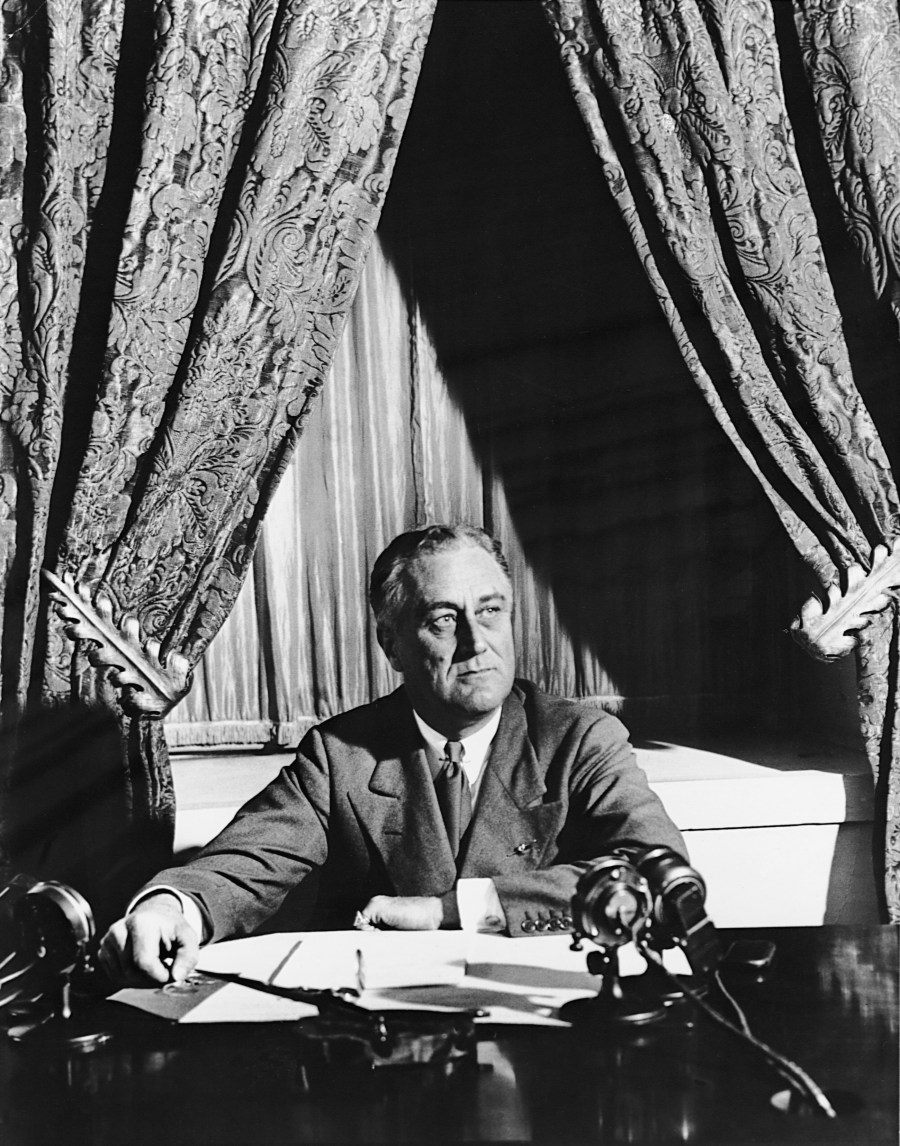
On March 12, 1933, Franklin Roosevelt delivered the first of his famous fireside chats. In a 13-minute radio address, he spoke directly and candidly to Americans about the Great Depression and his plans for recovery. He ended with a message of shared responsibility: “It is your problem no less than it is mine. Together we cannot fail.”
Listen to the broadcast here.
A CONVERSATION WITH RETIRED REAR ADM. JOHN KIRBY
The war with Iran is already carrying a staggering price tag. In a closed-door briefing this week, Pentagon officials told lawmakers the first six days alone cost more than $11 billion — as Iranian attacks on shipping lanes and energy infrastructure drive global oil prices higher. Retired Rear Adm. John Kirby joined “Morning Joe” to break down the military objectives, the risks in the Strait of Hormuz, and how the conflict could reverberate far beyond the Middle East.
WG: Admiral, taking the 30,000-foot view, what is the rationale for this war from the military’s perspective?
JK: From a military standpoint, the mission has remained fairly consistent: Target Iran’s nuclear program, degrade its navy, weaken its ballistic missile capabilities, and disrupt its ability to export terrorism.
JS: But we’re hearing different things from the White House, including talk of regime change. How does that affect the military mission?
JK: It’s not helpful to the military when the political messaging goes off-script and starts getting into regime change and larger goals. It creates confusion — what does this mean for them, and when do they get to say they’ve achieved the objectives?
Mike Barnicle: Let’s talk about the Strait of Hormuz. Iran is playing a home game there. What does that mean for the course of this war?
JK: You can shut down the strait through fear alone. In the first few days of this war, that’s exactly what happened. Iran hadn’t fired a single drone or missile, but nobody was going through because they were afraid.
Barnicle: So what’s the biggest threat to ships moving through that strait right now?
JK: Drones are a real concern. They’re inexpensive, easy to produce at scale — you can build them in a garage — and they can inflict serious damage on a single vessel before the Navy has time to intercept them.
MB: Admiral, reporting suggests the U.S. was responsible for the strike on that school in Iran. From your experience, what does that suggest went wrong in the targeting process?
JK: From the preliminary findings, it appears some of the targeting data was outdated — that the boundaries of the military base had changed and the school was no longer part of it. If that’s the case, the early inquiry suggests the U.S. was at fault here, and that’s a tragic outcome.
JL: What about the sustainability of this operation? How long can the U.S. keep this pace up?
JK: My sense is the U.S. probably has enough capability to continue operations for another two to four weeks, depending on the pace and intensity of the strikes.
Barnicle: While Washington is focused on Iran, what does this mean for Ukraine?
JK: If you’re Vladimir Putin, you’re benefiting from the high cost of oil and from the United States being enmeshed in another war in the Middle East. For Russia, this works out pretty well — and that’s alarming.
WG: And what’s the best possible outcome for Ukraine right now?
JK: The best outcome would be a negotiated settlement that meets the needs of the Zelenskyy government and the Ukrainian people — but I don’t see that on the horizon anytime soon.
WG: When the Iran war eventually ends, what happens next?
JK: When the war stops, that’s where a new level of work begins — and it’s going to be unpredictable. Israel gets a vote, and certainly the Iranian people and the regime get a vote, too.
MB: The Pentagon has restricted photographers from some briefings about the war. What does that signal to you?
JK: The Pentagon has an obligation to explain to the American people what it’s doing with the men and women in uniform. Taking legitimate photographers out of the room is self-defeating — transparency and access are essential.
The scrutiny you get from an independent press actually helps policymakers. When leaders hear the questions being asked and see how issues are being reported, it ultimately leads to better, more informed decision-making.
This conversation has been condensed and edited for clarity and brevity.
EXTRA HOT TEA
$600 million
— what Netflix could pay for Ben Affleck’s artificial intelligence filmmaking startup in one of the biggest AI deals ever by a Hollywood studio
SHUTDOWN HOLDING PATTERN
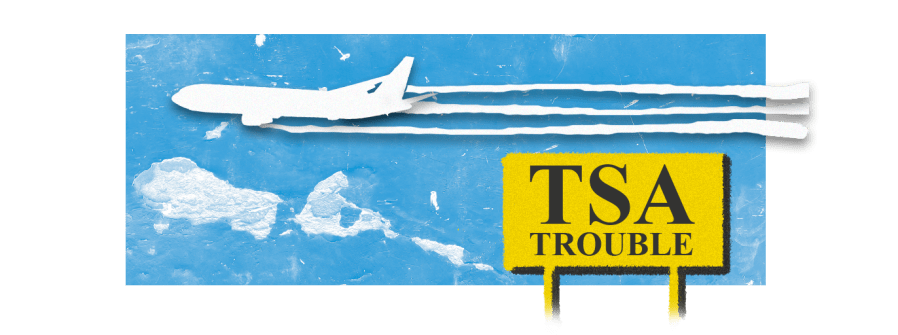
Across the country, major airports are experiencing long security lines, with some travelers waiting hours to get through checkpoints.
The delays are the latest consequence of the partial government shutdown, which triggered a lapse in funding for the Department of Homeland Security. Officers with the Transportation Security Administration have now gone weeks without pay, and more than 300 have already quit since the shutdown began in mid-February.
Johnny Jones, secretary-treasurer of the union representing TSA officers, told MS NOW that Friday will mark the first time roughly 50,000 officers won’t receive a full paycheck. Some workers, he said, are donating plasma or delivering food through apps like Uber Eats to make ends meet. At Denver International Airport, officials have even asked passengers to donate grocery store and gas gift cards to help struggling TSA staff.
The shutdown is the third in five months, after Congress failed to get the 60 votes needed to fund Homeland Security. Senate Democrats proposed a plan that included new accountability rules for Immigration and Customs Enforcement — an agency currently funded under the “Big Beautiful Bill” — but Senate Republicans blocked the measure late Wednesday.
ONE MORE SHOT

Punch the Monkey has become a global internet sensation beloved by everyone worldwide (except Jon Stewart and our own Natalie Sanders.) The zoo housing Mr. Punch tells People Magazine that fans should offer the macaque support when he’s bullied “instead of feeling sorry for him.” Take that, Nat!
CATCH UP ON MORNING JOE



Former Rep. Joe Scarborough, R-Fla., is co-host of MS NOW's "Morning Joe" alongside Mika Brzezinski — a show that Time magazine calls "revolutionary." In addition to his career in television, Joe is a two-time New York Times best-selling author. His most recent book is "The Right Path: From Ike to Reagan, How Republicans Once Mastered Politics — and Can Again."