




Entry to National Parks will no longer be free on Martin Luther King Jr. Day and Juneteenth, but American visitors will be able to enter the parks without a fee on designated “patriotic” days — including President Donald Trump’s birthday.
The Interior Department has announced an overhaul to free-entry days in 2026 for parks across the U.S. The little-noticed announcement came two days before Thanksgiving last week.
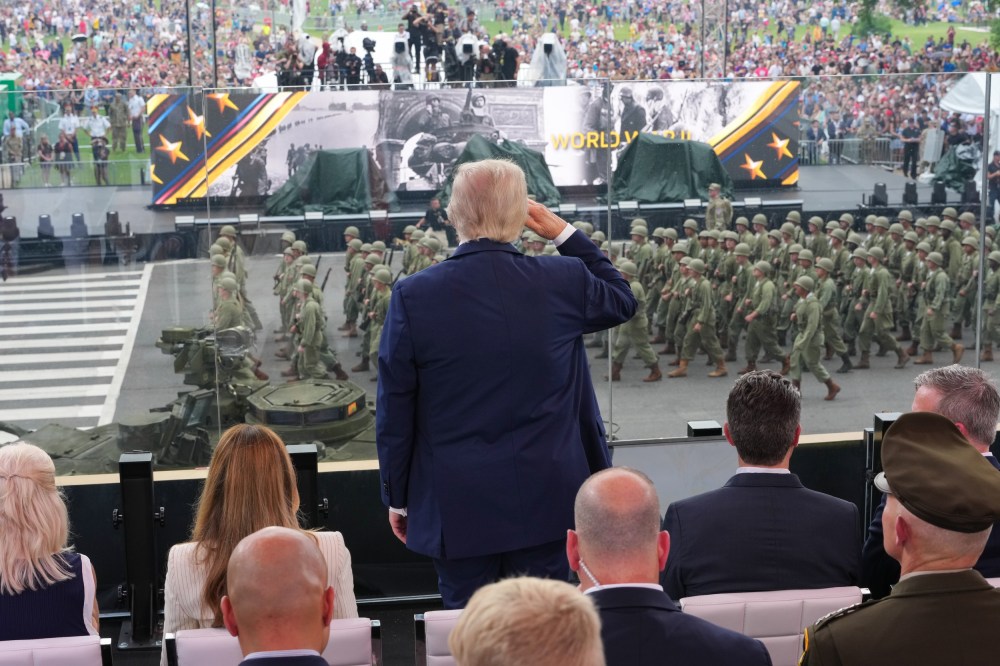
Other than Trump’s birthday on June 14, when he will turn 80, the list includes Memorial Day, President’s Day on Feb. 16, Constitution Day on Sept. 27, President Theodore Roosevelt’s birthday on Oct. 27 and the Fourth of July weekend.
The agency, which oversees the National Park Service, did not say why MLK Jr. Day and Juneteenth, which marks the day on June 19, 1865, when the last remaining enslaved Black people in Galveston Bay, Texas, were freed.
Sen. Catherine Cortez Masto, D-Nev., whose state includes Great Basin National Park and borders other national parks, was among those who criticized the change. “The President didn’t just add his own birthday to the list, he removed both of these holidays that mark Black Americans’ struggle for civil rights and freedom,” she wrote in a post on X. “Our country deserves better.”
In what the department called “America-first pricing,” non-U.S. residents will be charged an additional $100 fee to access some of the most popular parks, on top of existing entry fees.
“These policies ensure that U.S. taxpayers, who already support the National Park System, continue to enjoy affordable access, while international visitors contribute their fair share to maintaining and improving our parks for future generations,” Interior Secretary Doug Burgum said.

Beginning Jan. 1, 2026, the National Park Annual Pass will cost $80 for U.S. residents and $250 for nonresidents, the Interior Department’s announcement said, “ensuring that American taxpayers who already support the National Park System receive the greatest benefit.”
As part of Trump’s directive to curtail diversity initiatives across the government, federal agencies earlier this year barred events commemorating Martin Luther King Jr. Day, Black History Month, Juneteenth, LGBTQ Pride Month and Holocaust Remembrance Day.
Trump himself did not publicly acknowledge Juneteenth this year, instead posting on Truth Social that there were “too many non-working holidays in America.”
Cultural and historical institutions across the U.S. have undergone sweeping changes in the past year as the administration seeks to restrict a more comprehensive portrayal of the country’s history, claiming that such a “distorted narrative” casts “founding principles and historical milestones in a negative light.”

Clarissa-Jan Lim is a breaking news reporter for MS NOW. She was previously a senior reporter and editor at BuzzFeed News.