




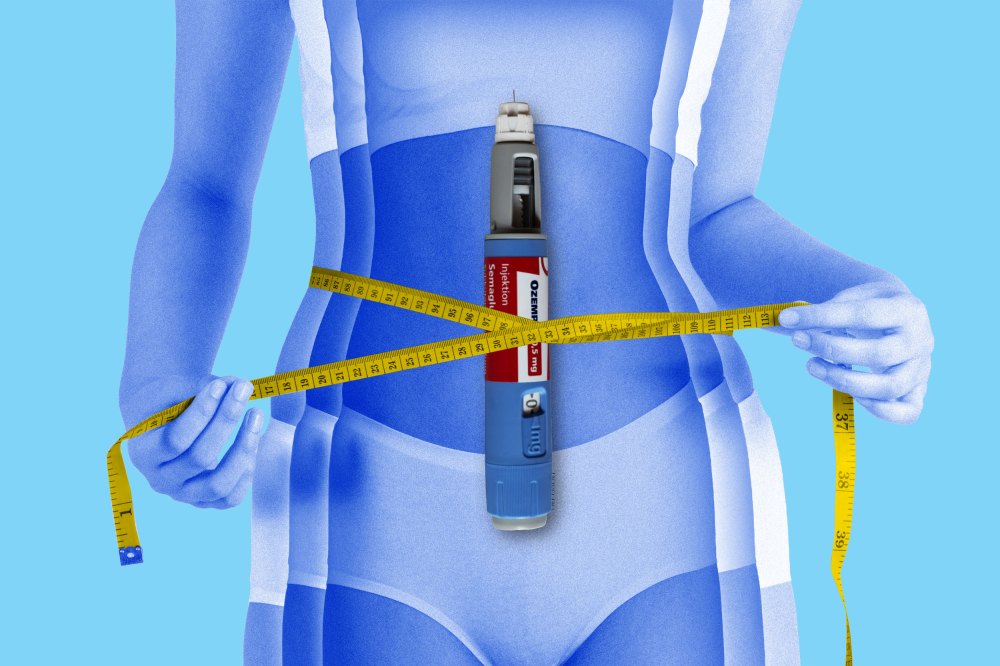
As a middle-aged physician and scientist who studies obesity and weight stigma, I was intrigued by an ad I recently received from an online “wellness” company promoting its GLP-1 program focused on cosmetic weight loss. So like the scientist I am, I went to the site and conducted an experiment. At 21.7kg/m2, my body mass index is normal, and I am healthy with no medical indications. But I set my weight “goal” at 105 pounds, which I haven’t weighed since I was a pre-pubescent 12-year-old.
While the 19.2kg/m2 BMI I’d have if I weighed 105 pounds would technically still be in the “normal” range, it’s on the low side and would put me at much higher risk for muscle and bone loss. (Also, BMI, despite being a good screening tool, is not a stand-alone measure of health and risk). I provided my credit card for the “free visit” the site offered and waited to speak to a clinician.
I was intrigued by an ad from an online “wellness” company promoting its GLP-1 program focused on cosmetic weight loss.
There was no visit. Within a few hours, I received an email that the company was compounding my tirzepatide and would charge me $330. Per the U.S. Food and Drug Administration, drug compounding is when a licensed pharmacist “combines, mixes, or alters ingredients of a drug to create a medication tailored to the needs of an individual patient.” In this case, national shortages allowed them to temporarily make non-FDA approved copies of GLP-1 drugs. But there’s far less oversight of these compounds than of FDA-approved products such as Wegovvy, Zepbound and Ozempic, and their safety and quality are not guaranteed.
The Trump administration this month announced a plan to lower the price of GLP-1 medications and expand coverage through Medicare. This is good news, and it could make the FDA-approved drugs more affordable, decrease obesity-related health disparities and drive more people to get higher-quality medical care. But broader access may also have unintended consequences, driving more compounding companies to dangerously market GLP-1s for cosmetic uses.
GLP-1 receptor agonists are potent drugs indicated for obesity and diabetes treatment. I prescribe them every week. They often cause meaningful weight loss and impressive reductions in the incidence of kidney disease, liver disease and heart attacks. They are the best tools we’ve had in my more than 20 years treating obesity.
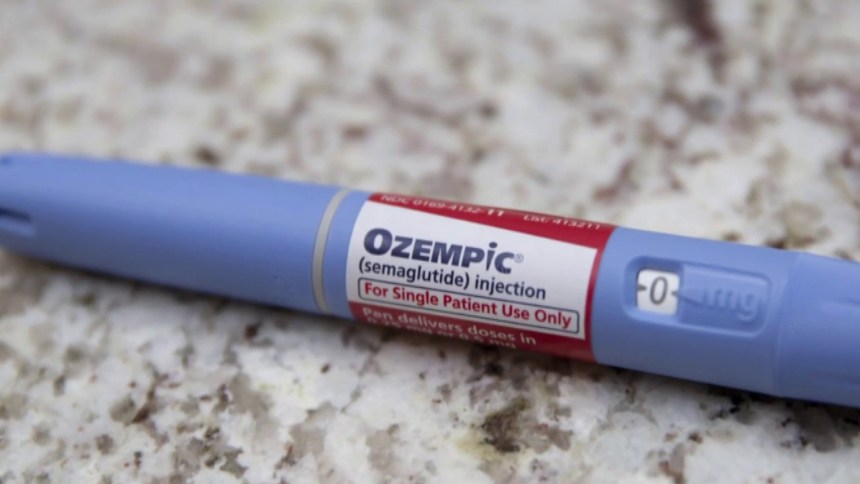
But potential side effects include nausea, vomiting, constipation, bowel obstruction, gallstones and pancreatitis. They are long-term drugs, just like medications for blood pressure and other chronic diseases. When people stop taking them, they usually gain the weight back. So, we should use them only when the benefits outweigh the risks. Despite my practice of extensively evaluating my patients and providing them counseling, a few have ended up in the emergency room with severe complications.
In contrast, nobody at the company I interacted with online screened me for contraindications or eating disorders. I wasn’t asked about my lifestyle or health habits. No one counseled me on proper medication use and safety. Dispensing GLP-1 medications this way is dangerous, and people will get hurt.
Weight stigma has been around for decades, fueled by societal ideals of thinness. Even though obesity is strongly genetic (it is as heritable as height), our society treats obesity like a character flaw rather than a chronic disease. My studying weight stigma doesn’t immunize me against internalizing society’s impossible body shape standards for women.


If I am susceptible to this type of marketing, then who isn’t? But taking this medication could worsen my health, and cost me about $4,000 a year.
The ad I received — featuring a skinny, bikini-clad woman —made me feel bad about my body. Specifically, it made me pine — after two pregnancies, one of them with twins — for a flatter stomach and a skinnier waist. If I (with my interests and training) am susceptible to this type of marketing, then who isn’t? But taking this medication could worsen my health, and cost me about $4,000 a year.
All over the internet there is a not-so-subtle pressure for young people to medicate themselves to match a celebrity’s or an artificial intelligence avatar’s shrinking body. When drug treatment becomes a social expectation rather than a clinical decision, then we are encouraging improper use. “Wellness” companies selling compounded GLP-1 medications are not even pretending to care about their consumers’ health. But pharmaceutical and internet regulators should.
Because the FDA has formally declared that the shortages of GLP-1 meds have ended, compounding is supposed to wind down. But enforcement requires capacity, and we are in the middle of a push to trim the federal government. It is a perfect moment for bad actors to test boundaries while the public assumes that these shady companies are regulated.

There is also a conflict-of-interest problem hiding in plain sight. Many platforms blend prescribing with dispensing, profiting on both. The American Medical Association warns that doctors selling or profiting directly from products undermines independent judgment, pressures patients and erodes trust. Where such arrangements exist, strict limits and transparency are required. Patients deserve to know when and if the entity recommending a drug makes money when they buy it.
I am a big fan of GLP-1 medications. But safety needs to be the first priority. While I’m empathetic and committed to improving access and equity for patients who can’t yet afford GLP-1 medications, unethical dispensing without providing any, much less comprehensive, care is not the answer. If we do not stop these dangerous practices, people succumbing to ads promising that they can soon be thinner will get sick and even die.

Dr. Melanie Jay, MD, MS, is a professor of medicine and population health at NYU Langone Health and a physician investigator specializing in obesity. Her research focuses on improving the treatment of obesity in medical settings and addressing weight stigma.