




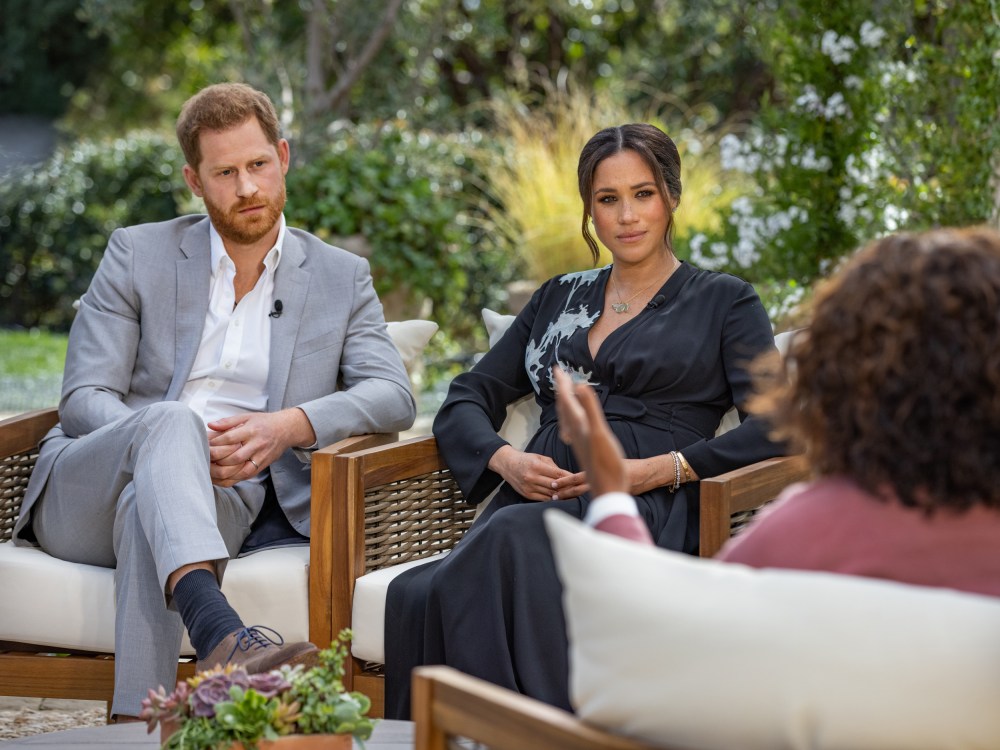
In its own eyes, and the eyes of a sizable chunk of the nation, Britain’s royal family sees itself as a symbol of strength, character, and hope for the British people. It’s a well-honed, practiced image at this stage of the monarchy’s life cycle. But its true top priority is to protect the family at all costs. This has been proved no better way than during Oprah Winfrey’s recent explosive interview with Meghan, the Duchess of Sussex, and Prince Harry.

Meghan and Harry’s sit-down with Winfrey was 90 minutes of tea-spilling revelations about what prompted the two to decamp to America, including accusations of callous indifference toward Meghan’s mental health and racism directed at her from members of the royal family and their lackeys in the British press.
Now, the receipts absolutely back up the latter claim. As compiled by BuzzFeed News’s Ellie Hall, the U.K. press has spent the last three years denigrating the duchess’s every move when compared to identical behavior from her sister-in-law, Catherine, the Duchess of Cambridge. And given the patronage that the royals show toward select outlets, it’s easy to see how Buckingham Palace could have put a kibosh on the stories — if it wanted to do so, that is.
When she went to human resources at Buckingham Palace, she was told she couldn’t be helped because “you are not a paid employee of the institution.” And there’s the rub of it: the institution, the crown, was placed above Meghan in terms of importance.
Meghan told Winfrey how she was left to fend for herself as she felt more and more isolated. “Look, I was really ashamed to say it at the time and ashamed to have to admit it to Harry especially, because I know how much loss he has suffered, but I knew that if I didn’t say it, then I would do it,” she told Winfrey. “I just didn’t want to be alive anymore.”
It was a horrible parallel to what Harry’s mother, Princess Diana, said in a famed 1995 interview when opening up about her own depression, self-harm and bulimia. And yet Meghan was offered no support or help, and was told that her mental crisis might be a bad look for the family. When she went to human resources at Buckingham Palace, she was told she couldn’t be helped because “you are not a paid employee of the institution.” And there’s the rub of it: the institution, the crown, was placed above Meghan in terms of importance.
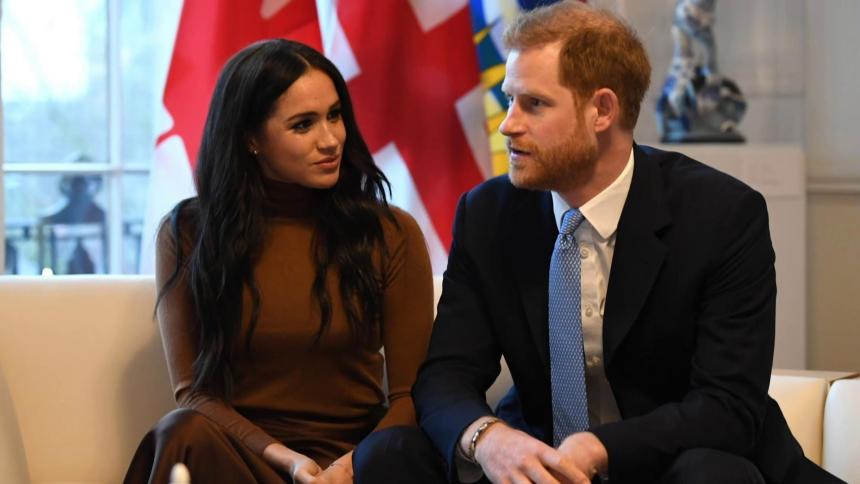
Over the centuries, Britain’s monarchy has had to find new roles for itself as it’s shed layers of autocratic power to Parliament. After World War I, with all the other monarchies that Victoria and Albert’s children married into toppled, the Windsors found themselves needing to defend their relevance.


The result has been the rise of royalty as an ideal; a genteel, stiff-upper-lipped personification of the British spirit that the crown’s subjects could look up to with pride and reverence. This has required, in the eyes of the system’s keepers, a layer of separation between the matriarch, Queen Elizabeth II, and her subjects that extends into a Gaussian blur over the family as a whole.
Meghan’s interview tore away at that layer of separation in a way that makes her more relatable, more human, than any royal since Diana. Sitting with Winfrey, she spoke openly about her depression and suicidal ideations; she talked about the sting of racist comments; she made the case for unions as a protective shield that the royals know nothing about.
It’s that connection with people that inspired jealousy among his family, Harry implied, given their reversal on her after the couple’s trip to the South Pacific. It’s that connection that labeled Diana “the people’s princess” and inspired support from the former empire’s former colonies even as the rest of the Windsor line seethed.
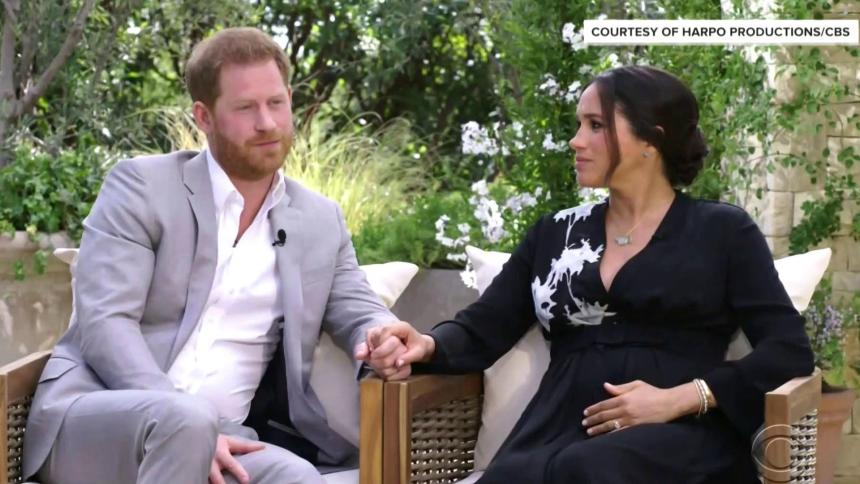
That jealousy prompted Meghan and Harry to make the bold decision to exit the gilded cage. In doing so, they prompted the Windsors to once again go into the same defensive crouch they do when confronted with Prince Andrew’s controversial behavior. The decision to uproot and distance themselves from the epicenter of royal power was spun in the tabloids into a Meghan-engineered snub, Meghan portrayed as a grasping hussy who wrenched a beloved prince away from his homeland. In reality, their sin is that they’ve prioritized their own family — safeguarding Archie and his recently announced sister-to-be — over the power of the throne. And they’ve performed much more impressively than the remaining royals, doing so in a way that, I would hope, the British people find more relatable than anything William and Kate, the duke and duchess of Cambridge, have said with their silence.
The British monarchy is a vestigial appendage on the nation’s body politic, a relic that has spent the last decades defined by its attempts to outrun its obsolescence. If it were most people, the position it finds itself in would be humbling. For these paragons of the elite, at the very top of the upper class, I imagine it must be particularly galling. All of the effort, all the charm campaigns, all the well-crafted narratives spun to pretend that the crown is still vital and relevant — undone by an American actress.

Hayes Brown is a writer and editor for MS NOW. He focuses on politics and policymaking at the federal level, including Congress and the White House.