




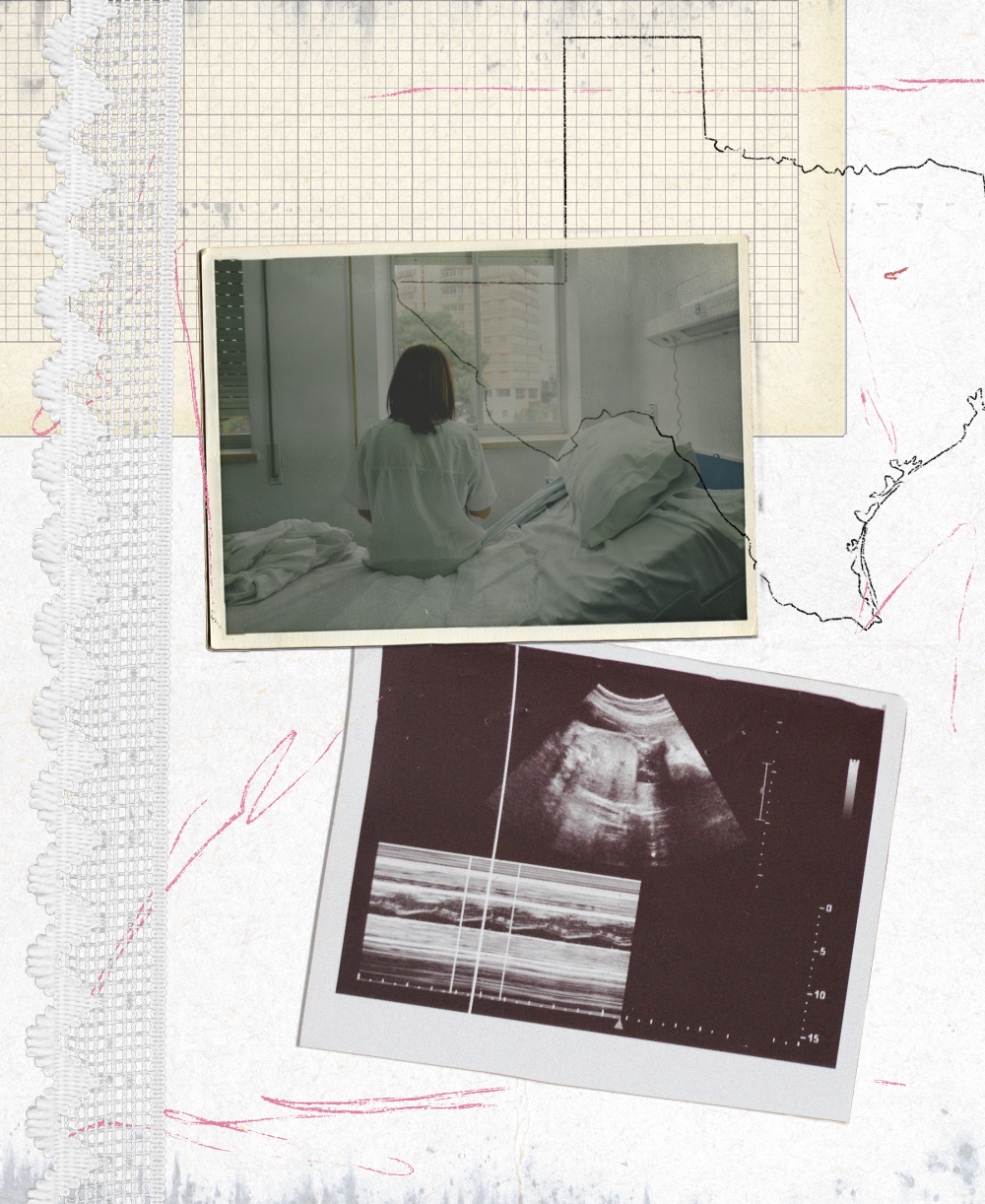
This article is part of a special series called “One in four: How abortion access shapes America.”
I do not regret having an abortion. But I do regret not talking about it. As I recently shared publicly, I chose to have an abortion for an unplanned pregnancy in my 20s. For years after, I stayed silent about it, confiding only in a few of my closest friends. I was sensitive to how my decision might reflect on me, especially as a single mother at the time, and I didn’t want to make others feel uncomfortable.
When I had my abortion, I was a full-time, unpaid intern at the White House. The few people I told included my friend who took me to the appointment and another who took care of my daughter for the night. I didn’t ask my supervisor for time off, fearful of the taboo and risk during a time when I desperately needed a job. Instead, I went back to work the next day, physically and emotionally in pain, bleeding heavily into multiple pads. Even though I likely would have asked for time off to rest and recover from any other kind of procedure, I acted as if nothing happened because I assumed that’s what everyone around me preferred.
I went back to work the next day, physically and emotionally in pain, bleeding heavily into multiple pads.
The shame around abortion and women’s reproductive issues has been a heavy, pervasive, burden for those impacted. What I did not consider then was how my silence — part of a broader collective silence — contributed to the immense stigma abortion has in society. It has unintentionally yielded space to those who wish to infringe upon our bodily autonomy. When we are silent about our experiences, we enable others to continue eroding our freedoms. If abortion care had been as normalized as any other health care, efforts to overturn Roe v. Wade might have faced greater resistance.
Looking back from a post-Roe world, we did not talk about abortion enough. Maybe we thought we didn’t have to; after all, abortion was constitutionally protected. Growing up, I never heard about anyone’s abortion, though they were surely happening. And as an adult, even in my largely progressive friend circles, women did not share openly about their abortions I have since learned about.
Instead, we were told the horror stories about what women experienced — botched, self-administered abortions and dangerous pregnancies — before abortion was a fundamental right. We assumed those stories were part of a grim but distant history. We talked in hypotheticals about what it would be like for millions of women if Roe were ever overturned, never really believing it possible. The experts warned that women would die, their fertility would be endangered, that infant mortality would increase, that Black women would be acutely affected.
Now we know none of it was hyperbole. It is our reality. And our continued silence will only make things worse.


For decades, anti-abortion politicians and activists have made it their mission to insert themselves into the private reproductive decisions of strangers. Stigma and silence gave them free rein. And now we’re watching the horrific outcomes unfold in the daily news cycle. It is crucial to underscore how disturbing that is, and to affirm how abortion care is normal, safe and good.
Abortion is so common that a quarter of the female population in the U.S. will have an abortion in their lifetime — that means we all know and love women who have received or will receive abortion care. That unchanging fact, a constant over time, should be enough to destigmatize abortion, but it hasn’t been. After I published my abortion stories, almost every encouraging message I received used the words “brave” or “courageous.” Even those who staunchly support abortion rights still consider speaking about it to be an act of bravery, suggesting silence is still the default.
The “good” versus “bad” abortion narrative taking place in the national dialogue also perpetuates abortion’s stigma.
The “good” versus “bad” abortion narrative taking place in the national dialogue also perpetuates abortion’s stigma. Most Americans support abortion in cases of rape or when the life of the mother is at risk, and pro-abortion politicians often highlight these cases because they are seen as more palatable and less controversial. Even though polling shows that a majority of Americans also support abortion care for other reasons, the so-called elective abortion is not promoted in the same way.
There are many ways to erode the stigma around abortion. One is to share openly and often about our stories, which are powerful. We know this is true because we are hearing more from women across the country every day and they are helping to change people’s minds. For those without a personal experience, talking frankly about abortion (e.g., not avoiding the word) is also important. By making abortion care more socially acceptable — viewed for what it truly is: health care that is in fact very normal — we can shape the public discourse and build resistance against those who seek to restrict or ban it.
I needed an abortion and I got one. That’s the very ordinary story I will keep telling. I encourage you, when you’re ready, to share yours too.

Sarah Elaine Harrison
Sarah Elaine Harrison is a lawyer and researcher in Texas. She is a senior analyst at International Crisis Group.