




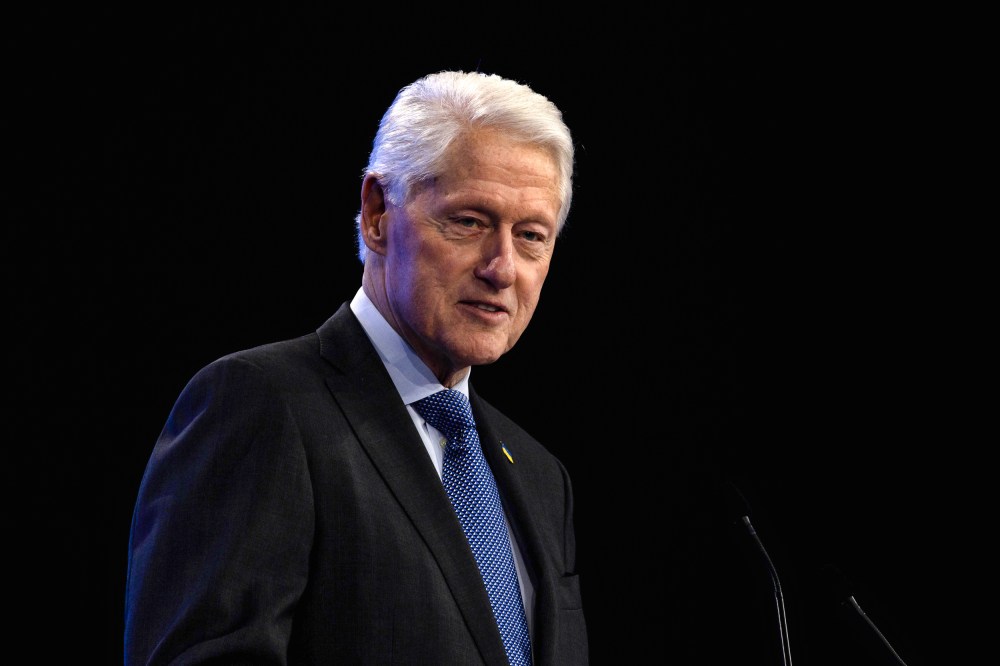
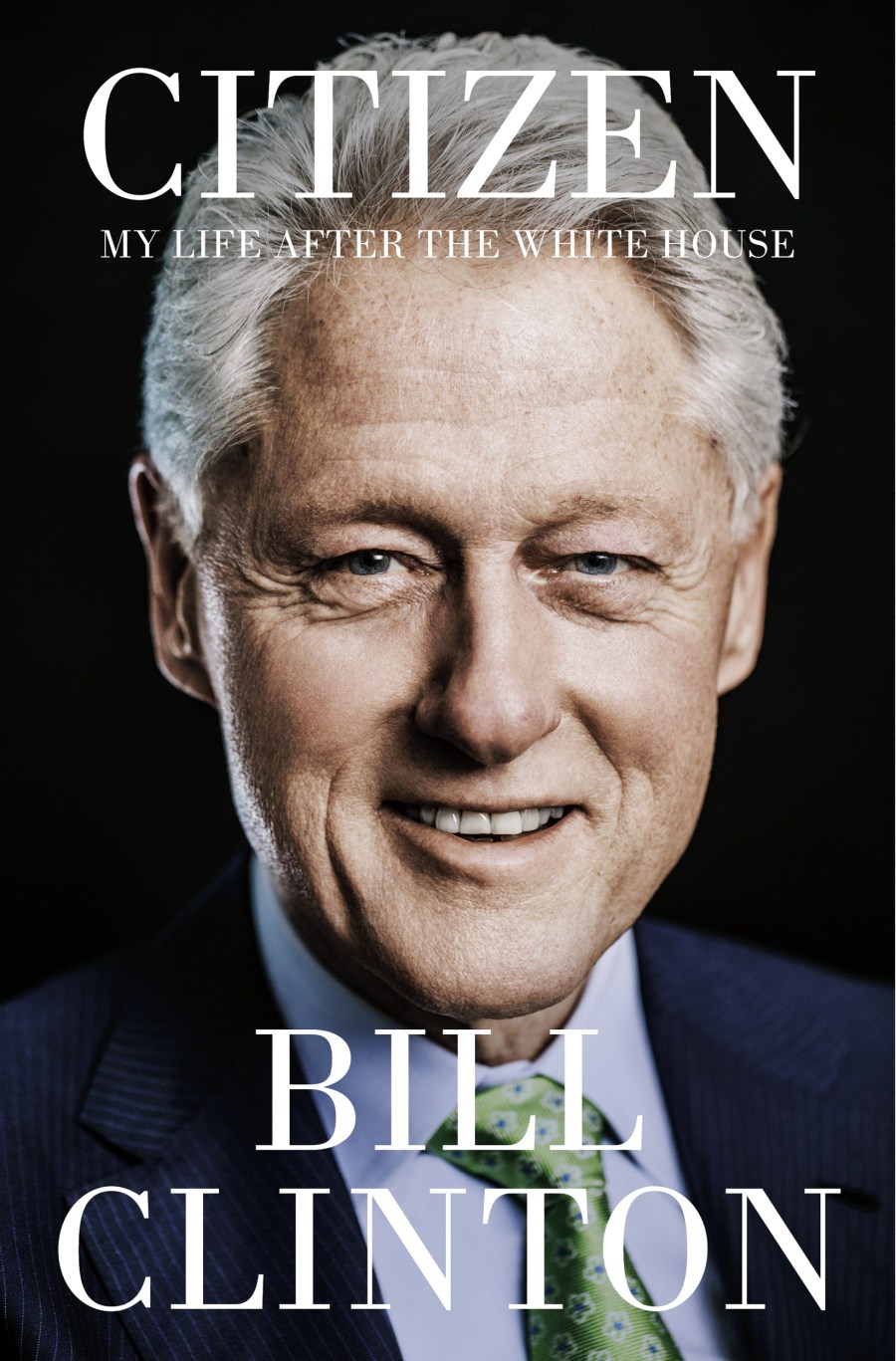
This is an exclusive excerpt from “Citizen: My Life After the White House.” The book will be published by Knopf on Nov. 19, 2024.
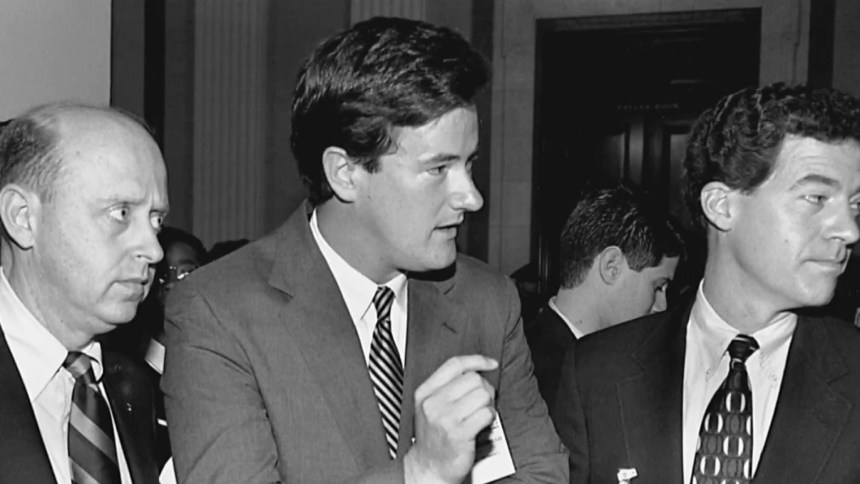
All those efforts toward a shared America are made harder when one party believes that the primary purpose of power is to hang on to it as long as you can, and when they’re in charge will try to change the rules to make that happen. When I was dealing with Newt Gingrich and the Contract with America crowd in my second term, Gingrich told Erskine Bowles, my chief of staff who also led my budget negotiations, that I was a great politician but was at a disadvantage in dealing with the more militant Republicans because I wasted time and energy on efforts that didn’t increase the Democrats’ power, like restoring benefits for illegal immigrants (the term we used back then) who paid taxes but couldn’t vote. He said to Erskine, “The president really believes we should all live under the same set of rules, doesn’t he?” Erskine replied, “Yes. We think that’s what a real democracy requires.” Gingrich responded, “We don’t believe that. We think everyone we elect or appoint should first do what’s best for our party. Then we can talk about the rest.” During the Trump presidency, Senator McConnell proved that by rushing through the Barrett confirmation after stonewalling a vote on President Obama’s nomination of Merrick Garland for more than eight months.
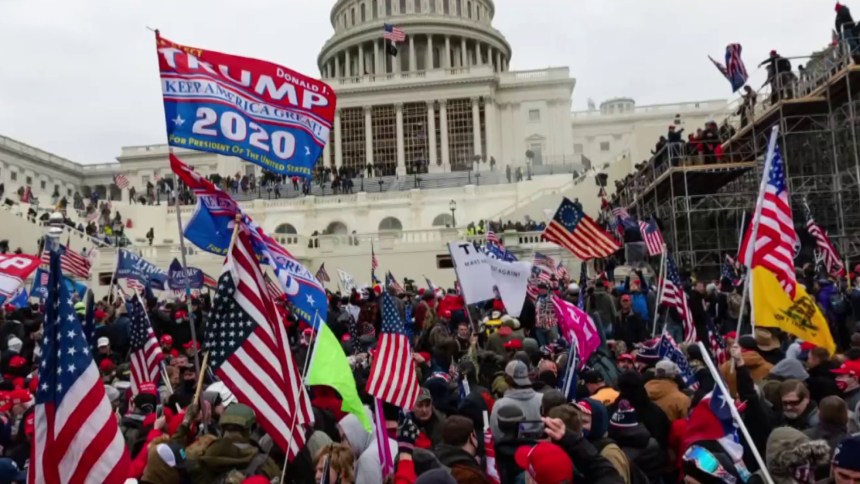
The most extreme example of this single-minded determination to grab and hold on to power at all costs manifested itself on January 6, the day both houses of Congress met to certify Joe Biden’s 2020 victory. Trump’s claim to be the real winner of the race produced a large angry crowd that he whipped into a frenzy with his claims that the election was stolen from him, even though judges across the country, including some appointed by him, had quickly found the charges baseless. The judges were following the law — did all voters have an opportunity to vote and were the votes properly counted? But Trump and his supporters didn’t keep score that way. The only question that mattered to them was: Did we win?
There was a method to Trump’s madness. He’d lost Arizona by about 10,000 votes, Georgia by just under 12,000, and Wisconsin by just over 20,000. If he could have had those states’ votes overturned, the electoral vote would have been tied, sending the election to the House of Representatives, where each state gets one vote, and Trump would have been reelected, despite losing by about seven million votes in the huge turnout. At least Putin’s social media efforts to get people to vote for Jill Stein or stay home didn’t go well this time. Perhaps our intelligence community had figured out how to plug at least one hole in our democracy’s dike.
As I watched the crowd of thousands make its way toward Capitol Hill on live television, I couldn’t help but think of the mayhem that had broken out in Charlottesville at the Unite the Right rally a few years earlier, and its tragic result. The January 6 crowd included professionals, business owners, police officers, and retired and serving military, all fired up by Trump’s lies and on the move to try to stop the democratic process in its tracks.


In 2017, I had written a review of Ron Chernow’s compelling biography of President Grant for The New York Times Book Review. The Charlottesville events had given relevance to Grant’s efforts during Reconstruction to establish the Justice Department and his strong support of its successful effort to dismantle the Ku Klux Klan. I wrote that, in the wake of Charlottesville, the events of Grant’s presidency seemed in many ways “as much a mirror as a history lesson.” Three and a half years later, the January 6 effort to overturn the vote count offered an even more chilling parallel.
Much has been written about the events that transpired when those thousands of people, egged on by Trump, reached their destination. The images are seared into our memory — for me, the photo of the Arkansan with his feet on what he thought was Speaker Nancy Pelosi’s desk and a stun gun in his waistband was particularly piercing. Richard Barnett, a retired firefighter from the northwest Arkansas town of Gravette, was convinced that, in the words of the prosecutors, “the United States would be taken over by communists if President-Elect Biden became president and was prepared to do ‘whatever it takes,’ including occupying the Capitol, to prevent that from happening. He prepared for that violence by arming himself with a stun device and a ten-pound steel pole, both capable of inflicting serious bodily injury. And then he traveled to Washington, D.C., with those weapons.”
Barnett is serving four and half years in prison for his actions, and as I write this over 1,400 people have been charged with crimes related to the attack on the Capitol, with over 880 people sentenced. The Justice Department has estimated that around 2,000 people committed crimes, and their investigations are ongoing. All of these ordinary people, from all walks of life and convinced they were patriots, were so moved by Trump’s lies, promoted by right-wing media, that they attacked their own government.
Many of the Republican members of Congress who hid behind desks, stacked furniture against office doors to keep rioters out, or fled to safety, denounced the attacks right after they occurred. Sadly, after Trump denied what happened, even criticizing the law enforcement officers who risked their lives to protect members of both parties, most Republicans completely changed their tunes. Trump asked them the question we’ve all heard in bad jokes: “Who are you going to believe, me or your lying eyes?” Those who looked to Trump and said, “You, Master,” lived to fight another day. Of the few who stuck with their lying eyes, most either left government service or were tossed out by the voters in their gerrymandered districts. It was almost comical to watch some of the GOP members who’d been photographed defending themselves whitewash the entire episode. The Republicans’ alleged support for the police mysteriously evaporated when it came to the officers who were killed or injured defending the Capitol and members of both parties from Trump’s foot soldiers.
Of course, Trump didn’t invent this capacity to cast the law and facts aside to cling to power, but it was a parade he was glad to lead. Some people saw strength and conviction in Trump’s denial — that’s how democracy disappears from the inside out.

President Bill Clinton
William Jefferson Clinton served as the 42nd president of the United States from 1993 to 2001, the first Democratic president in six decades to be elected twice. A Georgetown and Yale Law graduate, Clinton was elected governor of Arkansas from 1979 to 1981 and again from 1983 to 1992. President Clinton and Secretary Hillary Rodham Clinton live in Chappaqua, New York. "Citizen: My Life after the White House" will be published on November 19, 2024.