





UPDATE (May 8, 2025, 1:33 p.m. ET): Robert Prevost of the United States has been elected as the new leader of the Catholic Church — and the first American pope. He will be known as Pope Leo XIV. White smoke rose out of the Sistine Chapel’s chimney Wednesday, signifying the conclave’s selection of Pope Francis’ successor on the cardinals’ second day of voting.
“We’re about to choose the most famous man in the world,” Ralph Fiennes’ character tells a fellow cardinal in the movie “Conclave.” That is not how I would define the role of the cardinals now gathering in Rome for a real-life papal conclave, but it’s accurate enough: Pope Francis very likely was the world’s most famous man at the time of his death April 21. But before March 13, 2013, he was Cardinal Jorge Bergoglio, SJ, and unless you worked in Vatican City or lived in Buenos Aires, there’s a good chance you had never heard of him.
It is wise to keep that in mind as the world anticipates the election of Francis’ successor. The next pope might be a household name by the end of May. In Vatican City, he is almost certainly well-known already — Hollywood intrigue aside, no secret cardinals will grab the spotlight in Rome. The cardinals will vote for someone they know and trust. But when they do, the rest of us, even the pundits making their short lists, are liable to hear the name announced from the balcony of St. Peter’s and say, “Who?”
Although the College of Cardinals isn’t above politicking, the campaigning will happen where the rest of us can’t see it.
In 2013, I had an assignment to write a quick reaction piece as soon as the new pope was announced. I read a lot of experts’ lists and rankings of all the front-runners, just as many are doing now. It did me no good: I heard “Bergoglio” and had to start my research from scratch (“He’s a Jesuit? That can’t be right!”). Watch the video of that announcement and you can hear the same reaction from the masses assembled in St. Peter’s Square when they hear the name “Bergoglio.” They respond not with a roar of recognition, as they did when Benedict XVI was elected (“Ratzinger” being a familiar name), but with an excited rumble of consternation, more like when Karol Wojtyla, better known as John Paul II, was announced in 1978. It’s the sound of every person turning to their neighbor and saying, “Who?”
The tools we use to handicap an election in the United States aren’t much good at forecasting popes. For one thing, the American view of “liberal” and “conservative” — already an awkward fit for American Catholics — is a truly inadequate framework for understanding the priorities and divisions of the Catholic hierarchy in the Vatican. And for those hoping for the first American pontiff, think of the view from Rome: if you were choosing someone to run a global organization headquartered in Europe in 2025, would you want to put an American in charge?


Although the College of Cardinals isn’t above politicking, the campaigning will happen where the rest of us can’t see it. That’s where the horse race analysis really fails us: there’s no base of voters, no constituents to win over, outside the college itself. And the cardinals whom ordinary people want to talk about — the high-profile ones, the reactionary ones, the ones with a whiff of scandal — are, for that very reason, unlikely to be trusted by a supermajority of their colleagues.
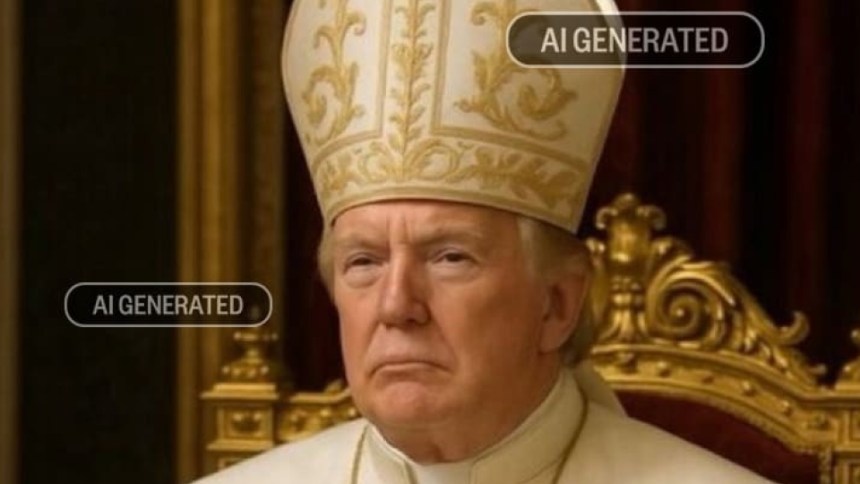
Catholics believe the Holy Spirit has a role to play in guiding the cardinal electors. The workings of the Holy Spirit have produced one surprise after another, including three non-Italian popes in a row, when even one seemed unimaginable until 1978. Now, it’s hard to say what a “predictable” choice looks like, and the possibilities are more diverse than ever.
One of the pope’s most important responsibilities is deciding which men (and, even now, it’s nearly always men) to put in positions of power. Francis took that responsibility seriously, and the cardinals he appointed are not reactionaries or provocateurs. The bishops he elevated to the role of cardinal are men after his own heart, committed to reaching out to the margins (many of them represent dioceses that were not traditionally honored with the “red hat” of a cardinal) and supportive of the slow, collaborative decision-making process that the Church calls “synodality.” And they are like him in another way: if you’re not a Vatican-watcher, there’s no reason you would have heard of them.
In the end, that may be the most interesting fact about the next pope — how little any of us know or can predict about what will happen next. We should prepare to be surprised, not only by the name announced from the balcony, but also by who that man decides to be once he dons the white cassock, and where he will take the church between now and the next time a conclave gathers.

Mollie Wilson O’Reilly
Mollie Wilson O’Reilly is editor-at-large for Commonweal magazine.