




It was one year ago today, Dec. 9, that the Los Angeles Dodgers announced they had signed pitcher/designated hitter Shohei Ohtani to a $700 million, 10-year contract — a mind-boggling sum that some sports commentators considered “obscene.”
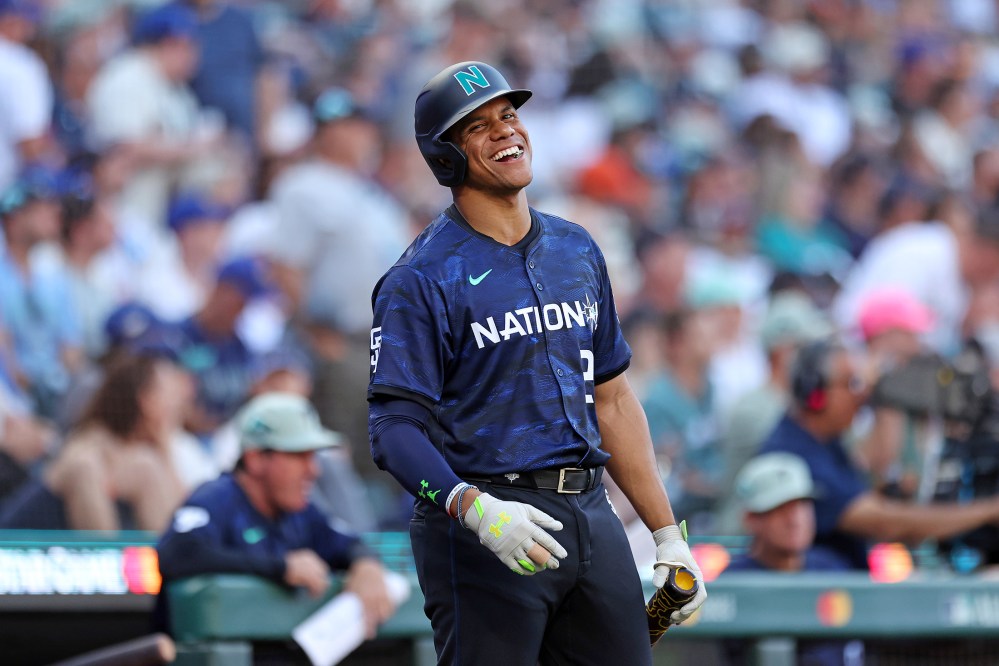
But now that the New York Mets have signed superstar outfielder Juan Soto to a $765 million contract paid out over 15 years — by far the most expensive contract in professional sports history — Ohtani’s contract, with most of its money deferred for years down the road, looks like a bargain. With additional escalators in the contract, it’s possible the Mets could pay Soto well over $800 million by the time he’s 41.
Who are the Mets supposed to be if they’re no longer the lovable, hapless scrappy underdog cousins of the hated crosstown Yankees?
Mets fans are rightfully ecstatic at landing the Dominican native, who already has a World Series ring (from the 2019 Washington Nationals), four all-star appearances, four Silver Slugger awards, a batting title and three top-five MVP finishes. And he’s only 26 — far younger than when most players reach free agency.
Many fans and casual observers see the Soto signing as everything wrong with the game, or sports in general.
Some are demanding Major League Baseball institute a salary cap to enable competitive balance. And some baseball sentimentalists are wondering just who are the Mets supposed to be if they’re no longer the lovable, hapless scrappy underdog cousins of the hated crosstown New York Yankees? (It’s not insignificant that the Yankees, Soto’s most recent team, offered him nearly as much money as the Mets.)
To these I say, calm down.
First off, baseball already has revenue sharing and a luxury tax for teams with high payrolls. Since 2001, 16 of its 30 franchises have won the World Series. And as I’ve previously written on these pages, the myth of the small market team that just can’t compete is a cruel falsehood sold to fans by billionaire owners, often looking for publicly financed handouts.
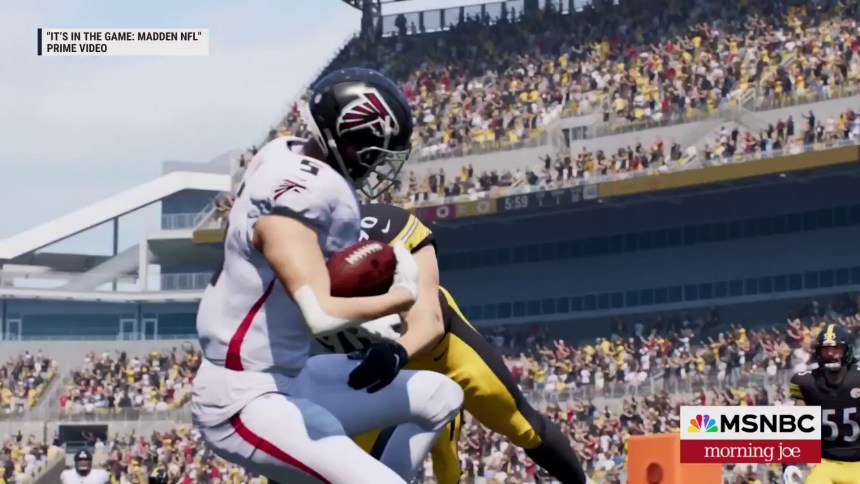
Second, Mets fans need not worry about losing their underdog identity, because they’ve rarely been true underdogs in the open field of 30 MLB teams — they’ve just been managed poorly for most of the six decades of their existence. Save for a few lean years in the mid-2010s — when the Mets’ previous owners claimed the financial losses suffered from their investments in Bernie Madoff’s notorious Ponzi scheme severely limited their ability to spend — the Mets have for decades fielded among the highest payrolls in the game.
Ask any Mets fan of a certain age about “The Worst Team Money Could Buy,” the 1992 team that was loaded with high-priced free agents and a record-setting payroll. That squad played such bad, uninspired baseball that the owners had each player sign a letter of apology to the fans at the end of the season. The following season was arguably even worse. Bobby Bonilla threatened a reporter in the clubhouse. Bret Saberhagen sprayed reporters with a water gun filled with bleach. Vince Coleman maimed a two-year-old girl and injured several others after a game in Los Angeles when he threw an M-80 explosive out of a moving car in the Dodger Stadium parking lot. All that stuff makes pitcher Anthony Young’s 27-game losing streak seem not quite as ignominious.
Red Sox fans will be the first to tell you that winning is more fun than losing, and they don’t consider their high-priced champions any less legitimate.
Steve Cohen, the Mets’ current owner and one of the richest men in the world, seems willing to do anything he can to make better memories for Mets fans. He’s the first owner to cross the $300 million payroll threshold, and has been bold enough to own his failed free agent signings like Max Scherzer and Justin Verlander — eating a large part of their sunken contracts and trading them for draft picks. And the $75 million signing bonus Cohen gave Soto could be the sweetener in the deal that put it over the top against the Yankees’ offer.


This kind of spending was once known as “buying championships” — which everyone (especially Mets and Boston Red Sox fans) hated when the Yankees were perceived to be doing it by spending lavishly on free agent players.
But now that the Red Sox have won four World Series over the past two decades — all with huge payrolls stacked with free agents — Sox fans will be the first to tell you that winning is more fun than losing, and they don’t consider their high-priced champions any less legitimate. And although Boston sports teams have won 13 championships since 2001, the region’s sports fans still cling to their previous identities as put-upon underdogs. (This should give hope to conflicted Mets fans fearful of losing their “lovable underdog” image.)
Besides, rooting for Gotham’s new Goliaths provides Mets fans with a level of Yankee schadenfreude that was previously unthinkable. Say what you want about the late George Steinbrenner, he’d never allow his team to be outbid by the Mets. But his son, Hal, seems content to put out a high-priced roster good enough to make the playoffs and leave it at that. Now Yankees fans will have to watch Soto play in Queens — which has to be worth at least some of that $765 million.

So whether you’re a Mets fan who fears being seen as rooting for the rich, big market bullies, or the casual fan appalled by baseball salaries approaching ever closer to a billion dollars, or a Yankees fan ego-bruised by Soto’s crosstown departure — there’s something for everyone to hate about Juan Soto’s contract.
But not me. I’m a Yankees fan, but I appreciated Soto’s stellar single season in pinstripes, and the clutch at-bats that helped carry the team to the 2024 World Series (though the less said about that, the better). Professional sports fandom will break your heart, but I can’t get upset about a kid from Santo Domingo getting his piece of the multibillion-dollar pie that is MLB. Would it be more just if the billionaire owners kept all the profits while the players (aka, the workers) took less than they were worth on the open market simply for the honor of playing the game?
That’s not how I see it. To quote Hyman Roth’s legendary maxim in “The Godfather Part II”: “This is the business we’ve chosen.”

Anthony L. Fisher is a senior editor and opinion columnist for MS NOW, often covering free speech, civil liberties and extremism. He was previously the senior opinion editor for The Daily Beast and a politics columnist for Business Insider.