





I don’t know much about Matthew Perry. The “Friends” star was a gifted comedic actor and an addict who spoke honestly about his suffering in order, it seemed, to help others.
And yet while attending a recent Zoom meeting after his death, I heard educated people having a serious discussion about all the things that could kill you while sitting in a hot tub.
And I thought, yep, this is what we do. We can’t help ourselves.
With Matthew Perry, it’s personal to me in a particular way. We’ve never met, but he’s my brother in arms regarding addiction.
I’m not claiming to be above celebrity intrigue. Even as I rolled my eyes at the response to Princess Diana’s death, I found myself buying every magazine I could with her photo on the cover. The paparazzi got the blame for her fatal crash, but it was the unquenchable thirst of people like me that made them chase her.
But with Matthew Perry, it’s personal to me in a particular way. We’ve never met, but he’s my brother in arms regarding addiction.
Perry had stratospheric success as part of an ensemble cast of a hit TV show. He once dated Julia Roberts. He made tens of millions of dollars and was adored by probably as many fans. He was a very funny guy. He recently wrote a memoir about his brutal, lifelong struggle with the disease of addiction. And he died last week at the age of 54, for reasons yet to be determined.
Which means the pending toxicology report from his autopsy is the talk of Hollywood. People want to know one thing: Was he high?
I understand human nature, and I want us to be better than this.
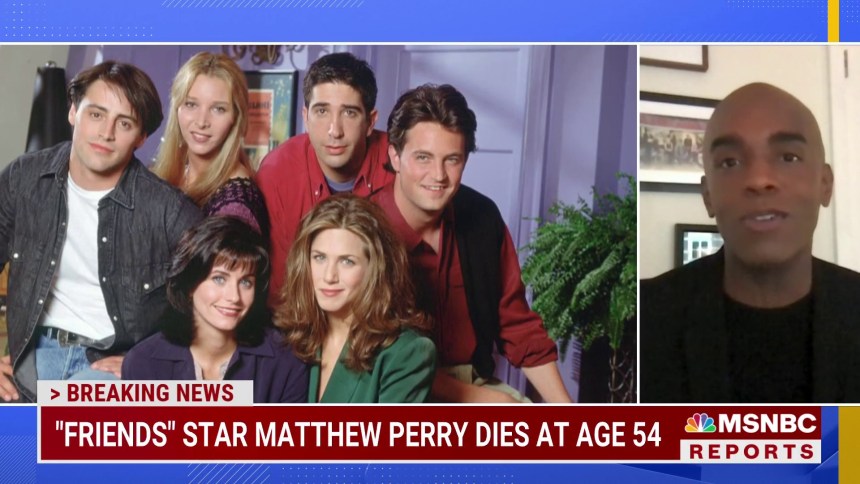
Death is only entertaining for those not directly involved. Perry’s family and friends are not giddily awaiting a cause of death. Peace is rarely found in a breathless TMZ headline.
The speculation also reduces him, somehow. I don’t think he deserves that, especially after gifting us with his very candid book. He didn’t need the money or fame when he wrote it. I think he did so as an act of service, so that we might better understand the disease.
You cannot write a memoir detailing the most humiliating aspects of your life without the desire to help others. And in a market glutted with self-congratulatory missives about recovery, I was very moved by “Friends, Lovers, and the Big Terrible Thing.”
He wrote with honesty about how tenuous recovery can be. I greatly appreciate this. When I tell people I could still die from a heroin overdose, most of them look at me like I’m out of my mind. I appear long removed from those days. But I’m not kidding.
Matthew Perry would understand why there are no guarantees. He and I both visited the same hotel in hell called withdrawal he detailed so well.
I’m also starting to realize we are a nation of magical thinkers. Nobody wants to hear how difficult it is to treat addiction.
I’m also starting to realize we are a nation of magical thinkers. Nobody wants to hear how difficult it is to treat addiction. We’re still pretending a trip to rehab will fix everything, and that’s an option only if you’re lucky enough to have health insurance.
Our government could not have botched the response to the opioid epidemic more badly if it had been intent on doing so. Our draconian, racist drug policies need major overhauls. People in genuine need of pain medication can’t get any because the DEA is breathing down the neck of every doctor in the country.
You know where people go when they can’t get pain medication legally? I know where I’d go.
Meanwhile, getting rid of drugs doesn’t rid the nation of addiction. The disease doesn’t disappear. Yet there will be politicians running next year who will insist fentanyl coming over the border is the major problem.
It’s upsetting when politicians can’t grasp concepts like supply and demand.


Addiction is a disorder of the brain, and I feel the need to point out the brain is an internal organ, like the heart or liver. My mom is 94, and her heart can’t pump the way it used to. That’s understandable. Nobody is asking her if she did cardio three times a week or not.
Nor do we lay the blame on a cancer patient whose disease returns. We know even after treatment, things can go wrong. The disease is unpredictable.
There is scientific data that details how an addict’s brain is wired differently. We keep telling you, and nobody listens.
Matthew Perry wanted people to listen.
But perhaps it’s not a question of understanding. Perhaps we are so attached to judgment we can’t pass up an easy mark. If Perry was high, it was his own fault he died. And if he wasn’t, isn’t that sad?
Here lies the crux of the problem — and one major reason people cannot stop obsessing over celebrity deaths. Because when something confusing happens, we want an easy answer. We want to assign blame, and through that restore the natural order. But addiction is a health issue, not a moral one.
We want to assign blame, and through that restore the natural order. But addiction is a health issue, not a moral one.
In the beginning of Perry’s book, he related a moment that perfectly sums up so much of what’s wrong with even professional people’s attitudes toward addicts. Perry’s colon is about to burst, which will almost certainly kill him. He’s living in a sober house, and his assistant mercifully decides to take him to the hospital.
The staff tries to stop her.
“This is just drug-seeking behavior,” his counselor says.
When I hear this, my blood runs cold. My rage creeps in. Judgment almost killed him that day. If he’d died, would we have congratulated him? At least he was clean.
We’re fond of purist, moral martyrs. But if we insist on judging addicts, we will never make room to help them.
Instead of judging Perry, listen to him. Read his memoir and take in what he has to say. Read other writers who’ve taken the time to try and educate the public — Beth Macy, the investigative journalist who wrote “Dopesick” and “Raising Lazarus” comes to mind.
Perry might appreciate one irony, though. This obsession with his toxicology report is just like addiction. The internet may be rewiring our brains. We demand instant gratification, only instead of dope, it’s details. We must know whether he had drugs in his system, and if we keep hitting the right key, we’ll find out.

Elizabeth Grey
Elizabeth Grey is an American essayist and a Substack bestseller with her newsletter, Elizabeth Grey Writes. She’s presently putting the final touches on her memoir, "Ghost Week."