




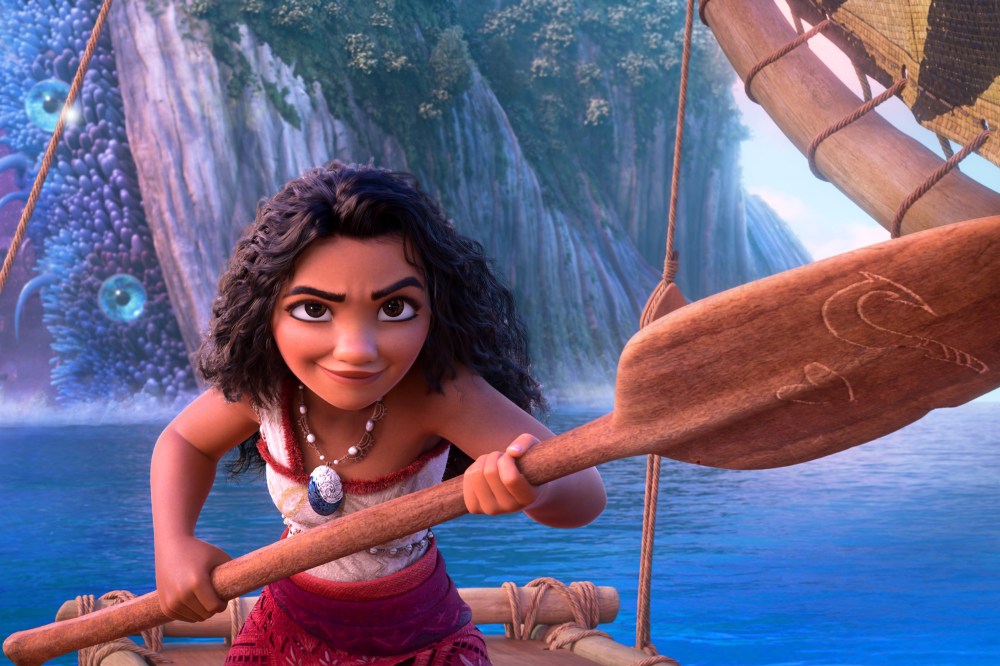
The first time I watched “Moana,” I was crying by the second scene. Baby Moana wanders off from story time with Gramma Tala and toddles toward the bright blue ocean. On the way, she grabs a leaf to protect a turtle from a predatory bird and gathers sea shells until she is faced with the wonderment of the ocean itself — a wall of vibrant fish, coral reefs and playful waves. It’s a feeling of awe that I, a Native Hawaiian woman born and raised in Hawaii, understand. The mana, or power, of the ocean sweeps over you. It calls you.
Now I live in the continental U.S., and Moana’s desire for cultural tradition speaks to me personally. But clearly, this isn’t just a film for people with Polynesian heritage. “Moana 2” hits theaters right in time for Thanksgiving, and is expected to be part of a massive box office weekend. The first film is one of Disney+’s most-streamed movies, logging over 80 billion minutes watched on the platform. I believe the film resonates with such a wide community of fans because it is one of the few Disney “princess” movies where the end goal isn’t finding your true male love. (See also, “Frozen.”) It’s about finding your deeper purpose, understanding where you come from and connecting to the world around you.
Now I live in the continental U.S., and Moana’s desire for cultural tradition speaks to me personally.
That this movie about a sea-faring teenager has become a beloved animated classic can’t be understated. On top of this week’s sequel, there is a live-action movie to be released in 2026. It has been heralded as the “perfect Disney movie” and “one of the most empowering movies out there for young girls.” For a film that ostensibly takes place thousands of years ago, I’d argue it also feels like the most modern in the princess canon, refusing to cave to the Western morals of individualistic pleasure and happily-ever-after romance. Moana is a young woman who takes risks and relies on ancestral knowledge to save her community and the land that sustains them. This is not Cinderella trying to squeeze her foot into a high heel.
While “Mulan” grappled with East Asian notions of filial piety, “Moana” put her community’s culture at its center. The film captures Pacific Islanders’ central belief that it is our honor to nourish and respect the land and the elements. One of the film’s most beautiful scenes comes at the end, when the fire goddess Te Ka transforms into the lush, green goddess Te Fiti, the burnt land giving way to new growth. This is how my ancestors viewed the symbiosis of creation — lava offering the earth a chance to start anew.


It’s not a perfect film, of course. Some Polynesians feel Maui’s character wades into obese stereotypes held by Americans (Dwayne Johnson said the character was partly inspired by his grandpa), and that by making the film about an amalgam of Polynesian cultures, it muddles what makes each unique.
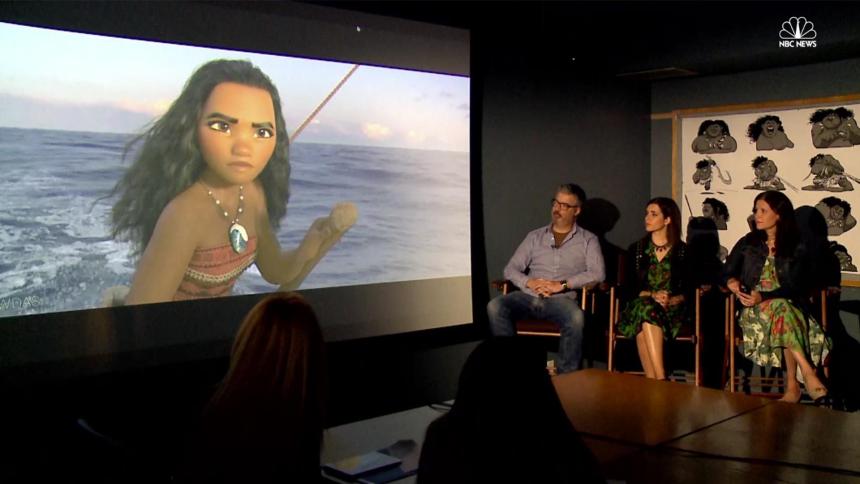
Why it mostly feels authentic, though, is that Polynesian artists, composers, actors and advisors were hired to keep insensitivities at bay; the director told Vanity Fair in 2016 that advisors shut down an idea to depict sailors in traditional Papua New Guinean face paint and headdresses because it’d be like “wearing tuxedos” in the middle of the ocean. For “Moana 2,” Disney went a step further and released a Maori-language version at the same time, marking the company’s first Indigenous language premiere.
In the years since I first spilled tears on my couch, I have watched “Moana” numerous times, many with my kid. Now 9 years old, they still love the movie too, because it reminds them of Hawaii, a place we can’t visit enough. They also love Moana herself, an adventurous spirit who wants to make sure the land and sea are cared for and protected. (Maui’s bathroom humor remains a hit as well.)
We’re waiting to see “Moana 2” until after the New Year. We will have just spent the holidays in Hawaii and, I’m sure, already missing the green-covered mountains that hug our corner of O‘ahu and the ocean that cleanses away our worries. I expect to cry in the first five minutes.

Jessica Machado
Jessica Machado is an editor at NBCU Academy. Her memoir "Local" was published in 2023.