





Jury selection in the Manhattan criminal case against Donald Trump started off slowly, but has since picked up some steam, with multiple jurors seated after day 2
For some lawyers, the jury selection process is the most important stage of the trial. For others it’s a waste of time, an exercise in astrology, and they would take the first 12 people who walk through the door. But no matter how hard his lawyers try, Trump could lose this jury before they are even seated.
The process is an opportunity for defendants to examine and test the peers who might judge him.
Jury selection in criminal cases is conducted with the defendant present in the courtroom. The voir dire process in New York state courts involves a blend of questionnaires and lawyer questioning. While defendants don’t get to address potential jurors directly, the process is an opportunity for defendants to examine and test the peers who might judge him.
But the examination works both ways. The potential jurors are examining the defendant as well. From the moment they walk into the courtroom for jury duty, citizens are watching the defendant. They watch when defendants scribble on notepads. They watch when defendants confer with their lawyers. They watch just to see if the defendant “looks” guilty — whatever that means.
And that’s just with the typical defendant. When the defendant is Donald Trump, all eyes are on the former president, at all times. It started during voir dire and will continue through the trial.
Our jury system is based on the assumption that people, regardless of their educational background or social status, can judge the credibility of witnesses and evidence. On some level, society must believe humans are hardwired for lie detection, or else juries could not work. Jurors are therefore expected to pass judgment, whether or not the defendant testifies. For better (or probably for worse), body language can become an important part of this assessment. Perception can become reality, with life-altering results.
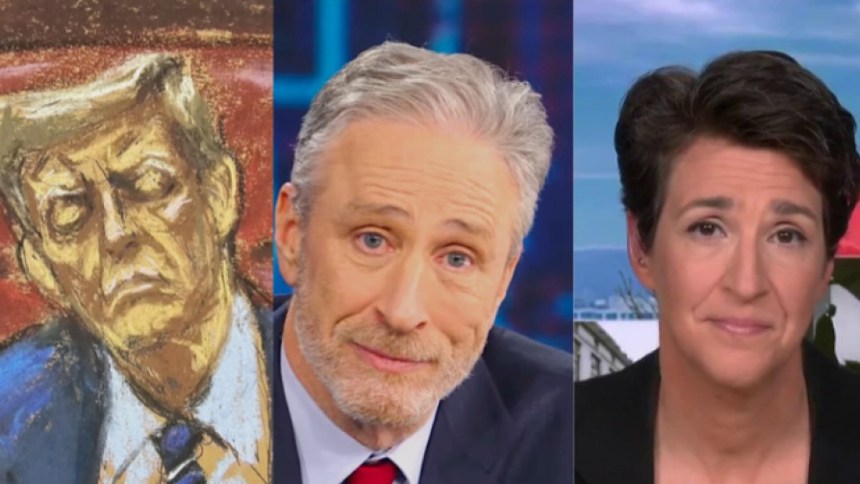
And that’s where Trump has to be very careful — if he can. If he misbehaves at the defense table, the jury will be able to see it happen. Already on Monday, the first day of the trial, court reporters noted that Trump’s eyes appeared closed for portions of the proceeding. Whether or not Trump was sleeping is, in some respects, irrelevant. If he nods off, or appears to nod off, the jury will notice.
On Tuesday, New York state Judge Juan Merchan openly admonished Trump for “muttering” and “gesturing” at a juror in the courtroom. It was unclear what was said, but his behavior was obvious enough to have caught the judge’s eye. And that means everyone else saw it, too.
If Trump appears bored, angry or impatient, jurors notice. When he mumbles under his breath, they notice. None of these things are good, either.
Trump has built a reputation as a showman. He is an outsized presence, physically and rhetorically. Performance art, especially cocky or aggressive behavior, serves Trump well at his rallies and in front of the camera. But in my experience, juries don’t usually appreciate it.
Criminal defense attorneys can get really frustrated with their clients during trial. After all, the lawyer has prepped the witnesses and memorized the evidence. All the client has to do is sit there and look “not guilty.” It’s easier said than done, though. The ideal criminal defendant would sit ramrod straight, take notes from time to time and maintain an expression of respectful curiosity. Most criminal defendants are not ideal defendants. And when defendants misbehave, juries punish. Charles Manson infamously misbehaved throughout his own murder trial. It did not end well for him. New York organized crime boss John “Teflon Don” Gotti was a masterful manipulator of the criminal justice system — and a notoriously bad defendant during his 1992 trial for, among other things, murder and racketeering. The judge finally threatened to have the mafioso finish the trial watching a video feed from his cell. Gotti was eventually convicted and died in prison in 2002. In fairness, a trial for a criminal defendant can alternate between long periods of boredom, punctuated by moments of terror, and the generalized anxiety that gradually accelerates as the case moves inexorably to verdict. It’s unreasonable to expect someone on trial to sit there politely as the prosecution parades witness after witness before a jury to say bad things about him. It’s likely impossible in the case of Trump. While the judge may rein in his more extreme behavior, the head shakings, closed eyes and frowns might pass without reprimand from the bench. But the jury will notice. They will judge him for his conduct at the defense table. And if the misbehavior continues, they may hold it against him. 


