





In just 10 months in office, Defense Secretary Pete Hegseth has pinballed from one embarrassing scandal after another. In March, it was his use of the Signal messaging app, which a Pentagon inspector general’s report, scheduled to be released Thursday, concluded that Hegseth put military operations and service members at risk.
Now, it’s more recent allegations that under his leadership, the U.S. military may have committed war crimes in its undeclared war against drug traffickers.
However, the only thing surprising about this latest black eye for Hegseth’s tenure is that it took this long for such atrocities to happen.
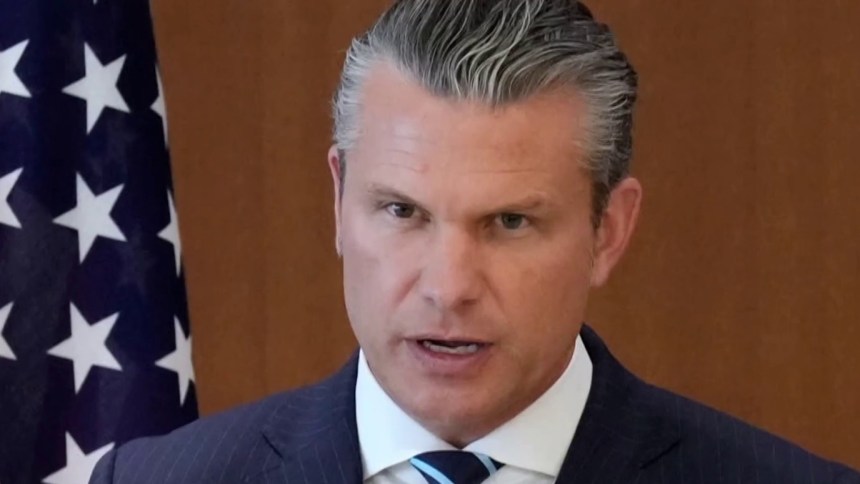
If there is a single defining element to Hegseth’s view of the military, it is that “might makes right” and that the laws of armed conflict, which have long guided how U.S. soldiers comport themselves on the battlefield, are for losers.
Hegseth’s 2024 book, “The War on Warriors,” is filled with evidence of his disdain for what he terms “academic rules of engagement which have been tying the hands of our warfighters for too long.”
American troops, Hegseth wrote, are too wedded to “rules written by dignified men in mahogany rooms eighty years ago.” And: “Modern war-fighters fight lawyers as much as we fight bad guys … Our enemies should get bullets, not attorneys.”
After his unit received a briefing from military lawyers on the legal rules of engagement, which included a directive not to engage armed individuals unless they posed a threat, Hegseth wrote that he told his fellow soldiers, “I will not allow that nonsense to filter into your brains” and “if you see an enemy who you believe is a threat, you engage and destroy the threat.”
Even before becoming defense secretary, Hegseth signaled that he thinks Americans should be allowed to commit war crimes with impunity.
If there is a single defining element to Hegseth’s view of the military, it is that “might makes right.”
As a private citizen, he was a fierce advocate for soldiers charged or convicted of war crimes. For instance, in Trump’s first term, Hegseth lobbied the president to grant clemency to Eddie Gallagher, a Navy SEAL who had stabbed and killed an injured 17-year-old Iraqi.
Hegseth publicly defended Matthew Golsteyn, a former Green Beret charged with murder, and First Lieutenant Clint Lorance, who ordered his unit to fire on unarmed civilians in Afghanistan.
In “War on Warriors,” he wrote, “America should fight by its own rules.” And he has brought his shoot-first, ask-questions-later approach to the Pentagon.
The focus of the U.S. military, Hegseth repeatedly says, is “Lethality, lethality, lethality.” At an event rebranding the Department of Defense as the Department of War (another illustration of Hegseth’s obsessive focus on war-fighting and lethality), he declared, “Maximum lethality, not tepid legality. Violent effect, not politically correct.”


It’s not just Hegseth’s rhetoric that has brought change to the Pentagon. After taking office, he cut funding for “nonlethal operations” and shut down department initiatives focused on limiting civilian deaths.
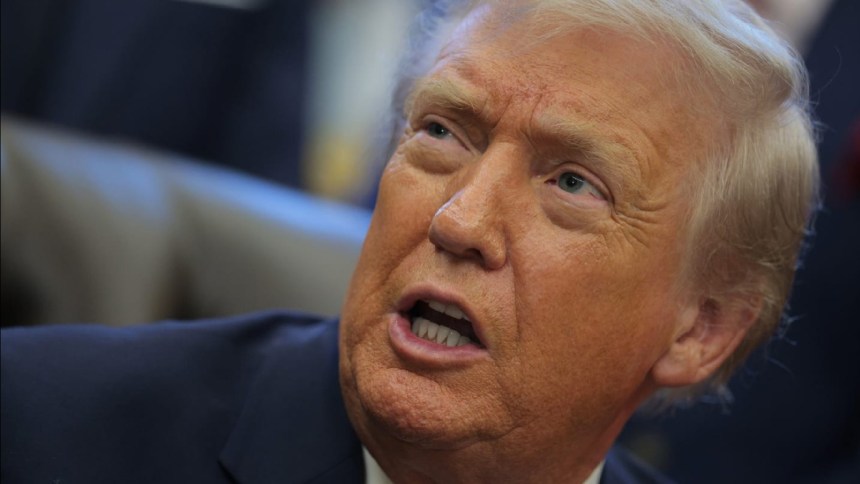
Operationally, he has deferred to commanders, granting them far more leeway in utilizing military force. That decision was felt most acutely in Yemen.
Upon taking office, Hegseth approved a plan – rejected by the Biden administration – to conduct an aggressive military campaign that included targeted assassinations against Houthi rebels in Yemen. As Politico reported in June, “‘If the senior military guys come across as tough and warfighters, Hegseth is easily persuaded to their point of view.” The campaign resulted in more than 500 civilian casualties, including 158 deaths. By comparison, Yemen military operations under Biden resulted in only 85 civilian casualties.
Still, Hegseth’s martial rhetoric, his dismissal of long-standing norms regarding the use of deadly force, and his loosening of limitations on military commanders attracted little attention – until The Washington Post reported that military commanders had targeted wounded survivors of a U.S. attack in September.
The egregiousness of the double-tap attack pushed even congressional Republicans out of their usual cowardly slumber when it comes to challenging the Trump administration.
According to the Post’s reporting, Hegseth ordered military commanders on the lookout for boats ferrying drugs to the U.S. “to kill everybody.” So when a missile struck a suspected drug boat but left two survivors clinging to the wreckage, military commanders fulfilled Hegseth’s directive and fired a second salvo. The Post reports, “The two men were blown apart in the water.”
By any interpretation of the laws of armed conflict, Hegseth’s order was patently illegal. The Defense Department’s own Law Manual states, it is “prohibited to conduct hostilities on the basis that there shall be no survivors.”
The egregiousness of the double-tap attack pushed even congressional Republicans out of their usual cowardly slumber when it comes to challenging the Trump administration. The Republican chairmen of the House and Senate Armed Services Committees have called for hearings on the attacks.
Of course, Hegseth’s toxic views were readily available before his confirmation – and Senate Republicans still chose to put him in charge of the Pentagon. For months, Republicans in both chambers have looked the other way as Hegseth has fetishized lethality and let military commanders take the gloves off, with predictable and deadly results. It’s difficult to ignore the likelihood that the command culture at the Pentagon and Hegseth’s obsession with lethality, and disregard for the laws of armed combat, led to the deadly attacks on suspected drug runners in the Caribbean and the very real possibility that war crimes have been committed.
Although congressional hearings are a welcome development, there is really only one way for Congress to respond to Hegseth’s disastrous Pentagon tenure: demand that he resign.

Michael Cohen is an MS NOW columnist. He is also the publisher of the newsletter Truth and Consequences and hosts the weekly podcast That ‘70s Movie Podcast.