




In the 2001 movie “Training Day,” Denzel Washington plays a deeply corrupt veteran narcotics investigator assigned as the training officer for a newly promoted detective. The plot plays out during the young cop’s ill-fated first day of training, which quickly turns into a hellish nightmare of mind-boggling crimes and killings committed by Washington’s character and a cadre of bad cops. Washington’s trainee, played by Ethan Hawke, realizes he can’t trust anyone to do the right thing —including himself.
From their first shifts on the street, riding along with seasoned training officers, rookies can quickly learn a different set of rules.
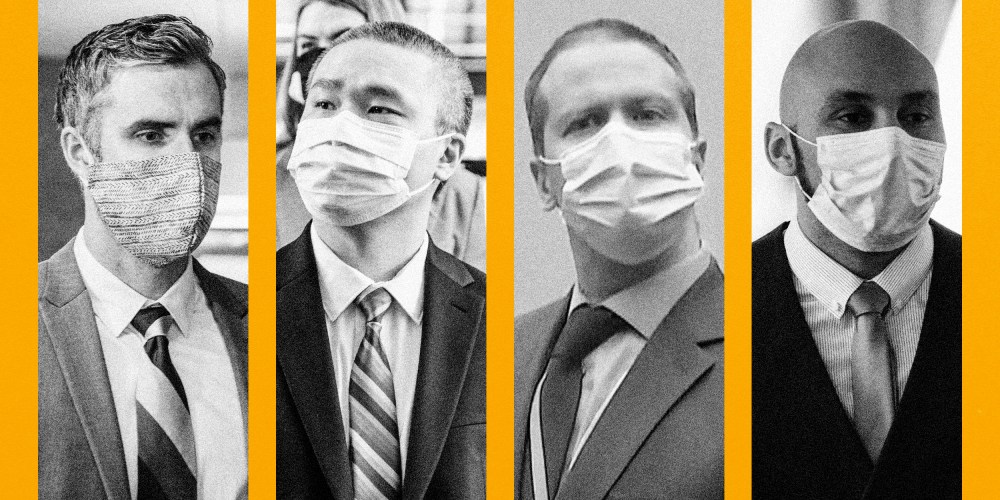
The horror movie-turned-reality show for some real-life rookies in the Minneapolis Police Department came May 25, courtesy of their training officer, convicted killer Derek Chauvin. Now, in addition to state charges for aiding and abetting the murder and manslaughter of George Floyd, those officers have been indicted on charges that they violated federal civil rights laws.
The charges against Chauvin and his conviction in state court hold one officer accountable for his own criminal conduct. But the state and federal charges against the officers who were there and did not stop Chauvin hold cops responsible for their failure to act against bad cops. That kind of prosecutorial approach is an essential element to breaking the “blue wall of silence” that has long kept officers from reporting the misconduct, and even brutality, of their fellow officers.
That informal code gets embedded early in a cop’s career. They graduate from the academy with heads filled with policy, protocol and ethics instruction. But from their first shifts on the street, riding along with seasoned training officers, rookies can quickly learn a different set of rules.
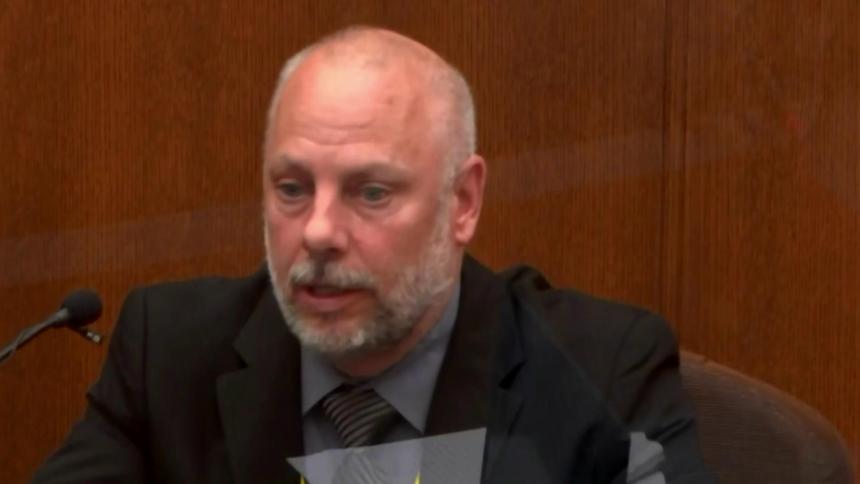
Two of the three officers with Chauvin that deadly day, J. Alexander Kueng and Thomas Lane, had served as police officers just three days and four days respectively, and they were being trained by Chauvin. Lane was reported to have asked Chauvin twice whether they should reposition Floyd as Chauvin was restraining him on the ground. Chauvin was reported to have said, “Leave him.” Lane’s attorney, Earl Gray, said, “What was my client supposed to do but follow what the training officer said?”


In an excellent summary of the systemic impact of veteran training officers’ acting as roadblocks to meaningful police reform, Simone Weichselbaum of The Marshall Project writes:
“It’s not uncommon for trainers, known as FTOs in cop-speak, to have histories of misconduct and citizen complaints, according to a Marshall Project review of 10 big-city departments. The trainers get little formal instruction in how to mold young officers’ behavior. Becoming a field trainer is seen as a mark of prestige and seniority, rather than a serious and challenging job.”
A kind of “training officer defense” is already shaping up for the two former rookies.
Weichselbaum continues, “Critics say the low standards create poisonous field training programs that fuel a toxic street cop culture marked by too much aggression and too little accountability. Since 2011, the Justice Department has ordered at least five major cities to revamp how they run field training.”
A kind of “training officer defense” is already shaping up for the two former rookies. Among his other statements, Lane’s attorney has wondered aloud about what more could possibly have been expected from his client: “What was [Lane] supposed to do … go up to Mr. Chauvin and grab him and throw him off?” Kueng’s attorney, Thomas Plunkett, also tried to distance his client from Chauvin’s actions. “At all times Mr. Kueng and Mr. Lane turned their attention to that 19-year veteran,” Plunkett said. Kueng “was trying — they were trying to communicate that this situation needs to change direction.”
In charging these officers with criminal conduct for failing to do enough to halt the death of George Floyd at the hands of another officer, both the state and now the feds are signaling to police officers everywhere that verbal communications are not enough. The Biden administration’s Justice Department is telling our nation’s police officers that even when you are charged by the state for inaction against a fellow officer, you will still have the federal government to reckon with. If necessary to save a life, physical intervention — even against your training officer — is required. And failure to act makes a police officer who stands by — even a rookie — as culpable as the cop who does the killing.
