




In the wake of Wednesday’s mass insurrection at the U.S. Capitol, the acting U.S. attorney in Washington, D.C., repeatedly reassured the public that he would prosecute every case of wrongdoing. While that broad commitment might be theoretically laudable, it’s misguided. Similarly, the law enforcement failures that left the Capitol unprepared on Wednesday, while unacceptable, can be diagnosed in after-action reports. What the country needs in this moment is clarity and a focus on the real threat: the ongoing risk posed by the people who conspired to overthrow the government and were willing to resort to violence to do it.
What the country needs in this moment is clarity and a focus on the real threat: the ongoing risk posed by the people who conspired to overthrow the government.
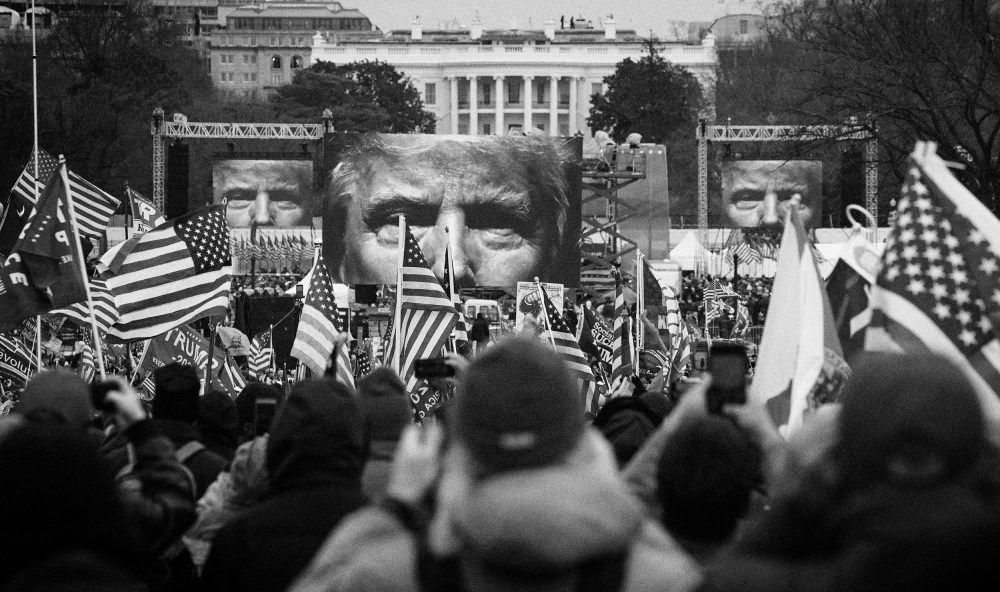
Because that’s what happened on Wednesday. A mob, whipped into a frenzy by President Donald Trump and his supporters over the past months, stormed the Capitol to try to prevent the peaceful transition of power to the next administration. Their attempt came far too close to success, something we all know from seeing images of members of Congress who were forced to flee. Multiple lawmakers said they feared for their safety. We cannot now ignore the people who lit the powder keg’s fuse.
The conversation is an uncomfortable one. In Congress, parliamentary rules require that members use circumspect language to sidestep criticism. Lies are not called out directly. Pointed accusations of serious offenses would be an almost unthinkable departure from traditional rules designed to promote civility and cooperation. But we cannot afford those niceties right now, because we’ve been attacked.
We have laws that criminalize the solicitation of violence and conspiracy to overthrow or seriously interfere with the operations of government. Pursuing them should be the immediate priority of law enforcement.
Whether or not the events on Wednesday amounted to sedition in the technical, meets-the-elements-of-criminal-statutes sense is a decision that should be left for prosecutors to make, based solely on the evidence and the law. But we don’t have to wait on their decision to appreciate the nature of the threat we are facing. Trump may be leaving the White House, but the culture he helped create isn’t going away.
Federal law enforcement must commit to identifying the people most seriously at fault. The acting attorney general and the director of the FBI have decried the violence but told us little else. This afternoon, a Justice Department official appeared to rule out an investigation into the role played by speakers at Trump’s rally. Meanwhile, the acting U.S. attorney in D.C. reported around 50 riot-related arrests have been made so far; eight involve firearm violations, while most involve curfew violations or trespassing. Arrests will mean nothing if hundreds of people are ultimately prosecuted for vandalism while the ones who fomented the putsch avoid consequences. We need to know if the leaders of the coup committed crimes, even if that means investigating the leaders of our country.
It’s time to muster the will to hold people accountable. Our recent history teaches that lessons aren’t actually learned otherwise.
Arrests will mean nothing if hundreds of people are ultimately prosecuted for vandalism while the ones who fomented the putsch avoid consequences.
Law enforcement’s first job when there is an act of violence is ensuring public safety. Secure the area; protect the people. Then, they assess whether any additional threats to public safety exist and dismantle them.
So, what exactly are those risks today? We are 48 hours out from Wednesday’s events, but we still don’t know for certain. We’re not seeing round-the-clock press briefings of the type we expect after serious incidents. There’s been an attack on the nation’s Capitol, but we’ve still not had a definitive briefing from the heads of federal law enforcement agencies.
During the rioting, bombs were placed at both the Democratic National Committee and Republican National Committee headquarters in Washington, D.C., functional devices that police said could have caused “great harm” had they exploded. Bombs require bomb-makers. A long gun and Molotov cocktails were found nearby.
We still don’t know, at least officially, who planted those bombs, or who wanted them planted. The same holds true for the vast majority of people who stormed the Capitol: We know little about how they were organized or brought to Washington. We don’t know what, if anything, these people have planned for the future.
We do know that coups require leaders. In this case, many of them exhorted the mob publicly. It’s time to hold those leaders accountable.


The mob that overran the Capitol was propelled down Constitution Avenue from the Ellipse by Trump’s exhortation that they could never “take back our country with weakness.” Pounding his claim — which is now as familiar as it is demonstrably false — that he lost the election due to fraud committed by Democrats, Trump struck a match and watched the fire spread.
Over 140 Republican members of Congress stoked the flames by refusing to accept the results of a lawful election, despite rulings from more than 60 lawsuits across the country confirming President-elect Joe Biden’s victory. Senators like Ted Cruz and Josh Hawley joined them, leading the country into violence to promote their own careers.
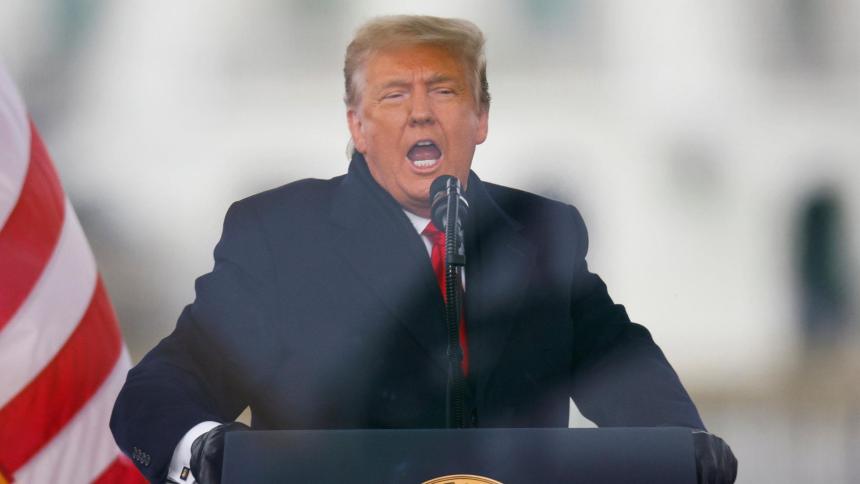
Others explicitly encouraged violence — most of it preserved on video — like Alabama Rep. Mo Brooks, who told the president’s supporters, “Today is the day American patriots start taking down names and kicking ass. … Today is a time of choosing and tomorrow is a time of fighting.” Then there was Texas Rep. Louie Gohmert, who previously suggested that “you got to go to the streets and be as violent as antifa and [Black Lives Matter].” Gohmert subsequently tried to walk back the comments he made on national television, but prosecutors now need to determine whether these perhaps careless solicitations of violence have criminal consequences.
The aftermath of the insurrection has to be handled differently than the failed threat assessment process that got us here. The insurrectionists who overran the Capitol were able to do so because of intelligence failures. The Department of Homeland Security and the FBI, which routinely issue joint threat assessments alerting law enforcement to anticipated problems, did not do one for the protests. They said they didn’t believe the planned protests posed a “significant security risk.” It’s unacceptable that the people who put on riot gear for women wearing hand-knit pink pussy hats after Trump’s election and for Black Lives Matter protesters this past summer considered the MAGA crowd insignificant. The administration’s blind spots when it comes to the threat posed by white supremacists and alleged domestic terrorists — some of the same people Trump called special and reiterated his “love” for while the rampage was in progress — were on full display.
That failed approach has to stop.
There were law enforcement failures on Wednesday. At best, leaders were unprepared. At worst, they succumbed to an unforgivable bias that left the people’s house vulnerable. They are responsible for failing to appreciate and prepare for a threat that was readily apparent to anyone who perused pro-Trump chat rooms and message boards on 4chan and other sites.
But our focus should stay on the threat itself and the people who created it. Because that threat has not dissipated.
Now we see the consequences of preserving the fiction that all of the people on both sides of the political divide are operating in good faith. It takes bomb-makers to build bombs. It takes leaders to create insurrection and sedition. We need to know who they are and make sure they’re no longer capable of harming us.
