





UPDATE (October 21, 2020, 9:35 p.m. ET): This piece has been updated to include a report of a previously undisclosed Chinese bank account maintained by President Donald Trump and controlled by Trump International Hotels Management, L.L.C.
Thursday’s presidential debate is the final chance for us to get answers to some of the most difficult and pressing national security questions facing the candidates. As for the vice presidential candidates, their one and only debate has come and gone and along with it the opportunity to get the answers we need. And with only a couple of weeks left until Election Day, it’s unlikely we’ll see the toughest security questions posed to the candidates, let alone hear their answers.
Those imminent, even existential, threats should generate far more questions and demand far clearer answers from our candidates than what we’ve seen thus far.
So let’s ask those hard questions now, while we still have the chance. As they say in the intelligence community when determining someone’s access to important information — we have a “need to know.”
Voters have already seen or heard the more obvious national security and geopolitical questions in queries to each candidate and in various written analyses. For example, we know that whoever wins the election will face tough and continuing decisions about how to deal with the threat from adversaries like China, Russia, North Korea and Iran. Some pundits have even opined that President Donald Trump has so damaged U.S. foreign policy and allied relations that a newly elected Joe Biden wouldn’t even be able to fully address the carnage.
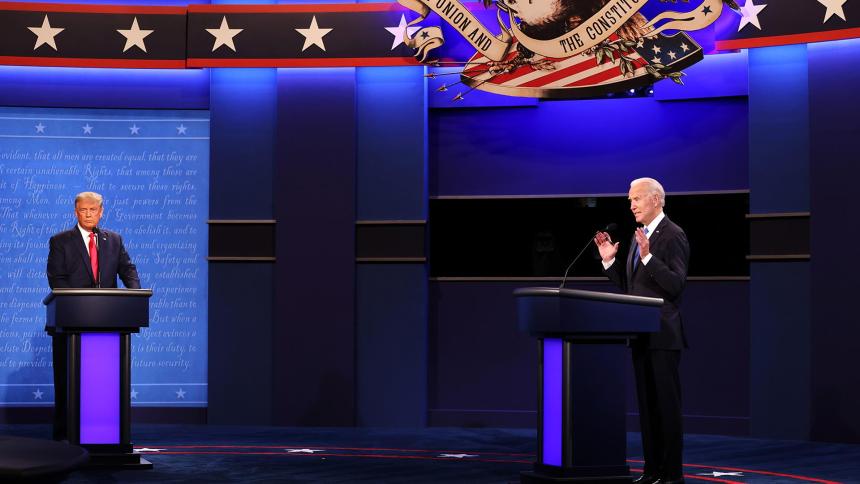
But national security is so much more than foreign relations and diplomacy. National security also encompasses threats closer to home that compromise the core principles of our democracy, imperil public safety and degrade a deeply divided nation. Those imminent, even existential, threats should generate far more questions and demand far clearer answers from our candidates than what we’ve seen thus far. Here are the questions to which America needs to know the answers:
Question for Joe Biden
“Will you support a commission to investigate and prosecute Trump and members of his administration for their crimes?”

This question isn’t about revenge or retribution; it’s about acknowledging that the kind of deliberate damage done by the Trump administration to our institutions and our form of government has threatened the future of our republic and therefore our national security. There is ample evidence that Trump and his cohort have committed serious crimes that strike at the heart of what it means to be an American and a citizen of a free and democratic country.
Not addressing the crimes committed during Trump’s tenure won’t bring healing to a hurting nation.
A president who was found by a special counsel’s inquiry to have committed 10 acts of potentially chargeable obstruction of justice, an acting Homeland Security secretary and a former attorney general who have directed the strategic separation of babies from their mothers, a director of national intelligence who knowingly declassified and disseminated Russian propaganda for a political purpose and a current attorney general who was alleged in a judicial proceeding to have led a “gross abuse of prosecutorial power” haven’t just potentially skirted the law — they’ve set perilous precedents that can’t be allowed to stand. While Biden has already said he doesn’t intend to pardon Trump, he should be asked this different, more precise, question about establishing a crimes commission. Not addressing the crimes committed during Trump’s tenure won’t bring healing to a hurting nation. Rather, inaction would be tantamount to tacit license for it to happen again. Silence would send the wrong message to this and future generations about the vigilance required to secure our democracy.
Question for Kamala Harris
“What is your detailed plan for reimagining the police?”

America is a divided nation. Part of that divide lies in the chasm between how Blacks and whites distinctly view and experience the police. A Harvard University study found that Black people in the United States are more than six times as likely to be killed by police as others. Protests in support of the Black Lives Matter movement have turned violent, while the police continue, seemingly unabated, to use excessive force against minorities. Sen. Kamala Harris of California, Biden’s running mate, previously served as the district attorney in San Francisco and as the attorney general of California. But her record as a “top cop” is mixed and murky when it comes to whether she can lead true reform or whether she would merely pay lip service to a problem that is plaguing our country. Harris might be the ideal vice president to spearhead police reform, yet we need to know whether her varying positions on issues such as increasing or reducing police presence, on banning chokeholds and on not prosecuting bad cops make her a real change agent or someone who just tests which way the wind is blowing. Public safety and national unity are national security issues — that’s why we need to know.


Question for Donald Trump
“You owe at least $420 million in personal debt, and have a previously undisclosed bank account in China; how do you plan to pay off your debt and to whom do you owe it?”
As we learned from recent New York Times reporting, Trump’s tax returns revealed that he personally owes unidentified creditors at least $421 million in the next four years and may owe as much as $1 billion. As I’ve previously written, this debt may make Trump one of American history’s most vulnerable presidents when it comes to potential blackmail and financial compromise by bad actors. The New York Times also reports a previously undisclosed bank account in China under the name of Trump International Hotels Management, L.L.C. This makes China one of only three foreign nations where Trump maintains bank accounts. In 2017, Trump’s first year as president, the account balance surged to $17.5M, more than the amount held in the previous five years combined. The president’s foreign financial entanglements and dire financial straits make him a one-man national security threat.
The president’s foreign financial entanglements and dire financial straits make him a one-man national security threat.
And if he won’t disclose whom he’s indebted to or how he plans to resolve his money crisis, we might not want him to keep occupying the Oval Office when all this debt comes crashing down on him during a second term. A president has access to our country’s most sensitive intelligence. He also has the power to make foreign trade, weapons sales, sanctions and other key decisions that could be driven not by our national interests but by his own self-interests. That’s why we need to know how our president plans to dig out of his debt without compromising our security.
Question for Mike Pence
“If Trump won’t leave, will you be with Trump or with America?”
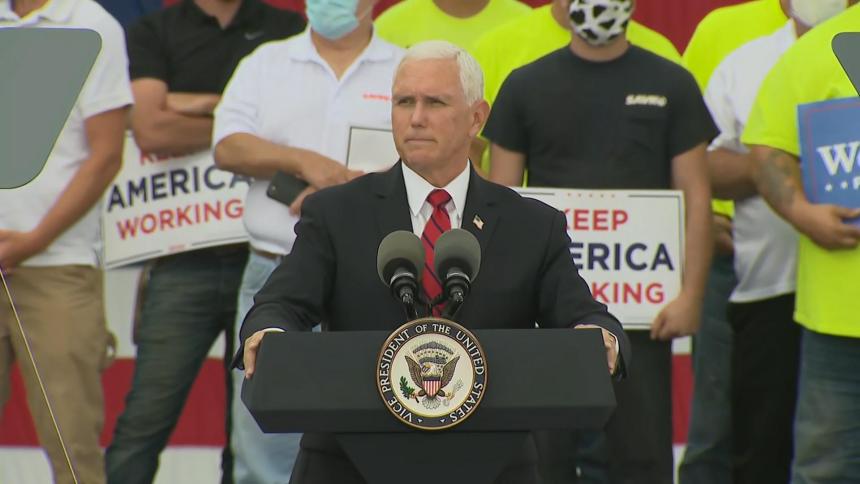
During his one and only debate with Harris, the vice president chose not to answer a vital question from moderator Susan Page, who asked about Pence’s role in the event that Biden were declared the winner of the election but Trump refused to accept a peaceful transition of power. Pence declined to answer. Pence’s non-answer presents a probable national security threat, and it demands a response. How can voters cast their lots with Pence if they can’t determine whether his allegiance is to Trump or to the stability of our democracy? That’s a pre-eminent national security question, and it’s a deal breaker for our democracy.
During Bill Clinton’s 1992 presidential campaign, his strategist James Carville hung a sign at campaign headquarters intended to keep staffers on message: “It’s the economy, stupid.” I’d suggest a variation on the theme: “It’s national security, stupid.” And we’d be stupid not to get some answers.
