






As a presidential candidate in 2024, Donald Trump recognized widespread concerns about the cost of living, and the Republican’s rhetoric on the subject was unambiguous. “When I win,” Trump told voters, “I will immediately bring prices down starting on day one.”
This is not a cherry-picked quote that he accidentally blurted out once and then quickly forgot. On the contrary, the then-candidate repeated the line over and over again as Election Day approached, assuring Americans concerned about inflation that he would not only address the issue, he’d help lower prices immediately after returning to the White House.
It was against this backdrop that the public received some discouraging news about the latest inflation data this week, at which point the president and his White House team quickly got to work — blaming the Biden administration for the problem Trump said he’d address “on day one.”
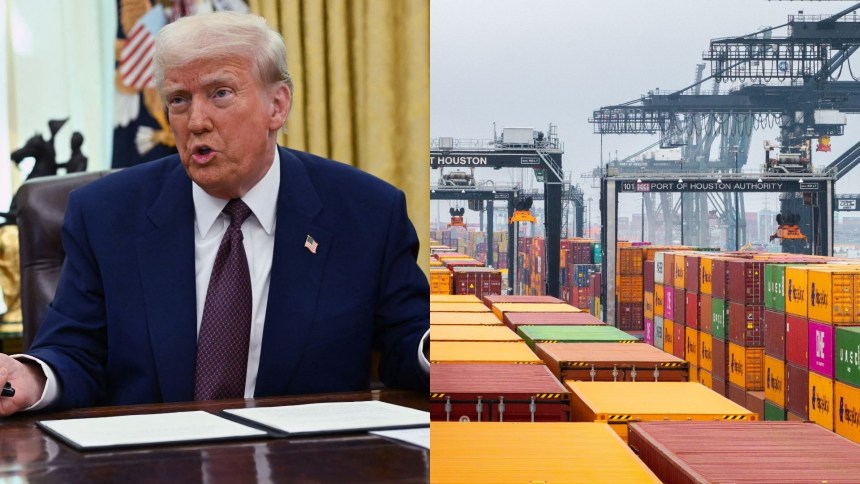
The political tactic was obviously difficult to take seriously, but complicating matters is the fact that the Republican isn’t just failing to lower the cost of living, he’s also moving forward with plans that he admits will make the cost of living worse.
A couple of weeks ago, for example, Trump conceded that Americans might soon feel “some pain,” at least in the “short term,” as a result of his trade agenda, but the president expressed confidence that “people will understand.” He was vague, however, about the details, and didn’t say just how much “pain” the public should expect to feel and for how long.
It appears Trump and his team are sticking to this message, seemingly in the interest of preparing Americans for looming price hikes. As NBC News reported, “Trump admitted in the Oval Office [Thursday] afternoon that his decision to impose tariffs on all major U.S. trading partners may lead to prices going up in the short term.”
Reporter: If prices go up because of these tariffs, who do you think voters should blame? Trump: Prices could go up short term…
— Acyn (@acyn.bsky.social) 2025-02-13T20:30:06.830Z
To be sure, the president tried to phrase this in the most benign and anodyne way possible, saying prices could go up “somewhat” and in the “short term,” but the bottom line remained the same: Trump is moving forward with an agenda that, by his own assessment, is going to make consumer costs worse.
Hours later, Treasury Secretary Scott Bessent appeared on Fox News and echoed the line, telling viewers that the public might see “slight” increases in prices, as part of a “one-time” hike.
Circling back to our earlier coverage, in the 2024 presidential race, there’s ample evidence suggesting the price of living was foremost on the minds of many voters. As much as anything else, this one issue helped return Trump to power.
But upon returning to the White House, the president began his second term by abandoning the issue altogether, effectively admitting that his administration had no plan to address consumer costs.
If we were to stop the conversation here, it would represent a rather dramatic public betrayal. After all, the one thing voters appeared to care about most quickly became an issue that Trump stopped pretending to care about immediately after returning to the Oval Office.
But we can’t stop the conversation here — because the president is taking steps that are all but certain to raise prices on a wide range of products that Americans buy.
The next time Trump tries to blame his Democratic predecessor for inflation, keep this in mind.
This post updates our related earlier coverage.
