




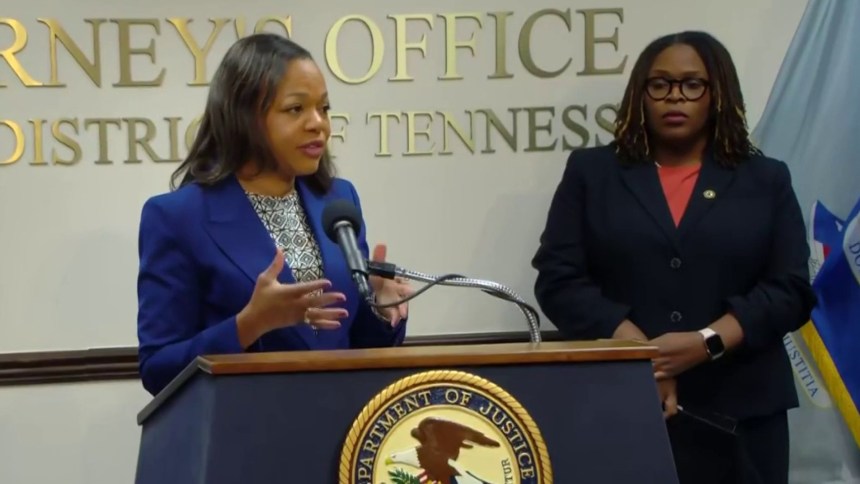

The City of Memphis and its police officers regularly violate the constitutional rights of residents, including using excessive force, discriminating against Black people and mistreating people with behavioral health disabilities, according to a new Justice Department report.
Released Wednesday, the report is the culmination of a civil rights investigation into the Memphis Police Department launched by the Justice Department after the violent beating of Tyre Nichols during a traffic stop in January 2023 leading to his death.
The Justice Department said in its report:
Our investigation found that officers use force to punish and retaliate against people who do not immediately do as they say. They rapidly escalate encounters, including traffic stops, and use excessive force even when people are already handcuffed or restrained. They resort to intimidation and threats. They have put themselves and others in harm’s way—officers have unlawfully fired at moving cars and accidentally pepper sprayed and fired Tasers at each other.
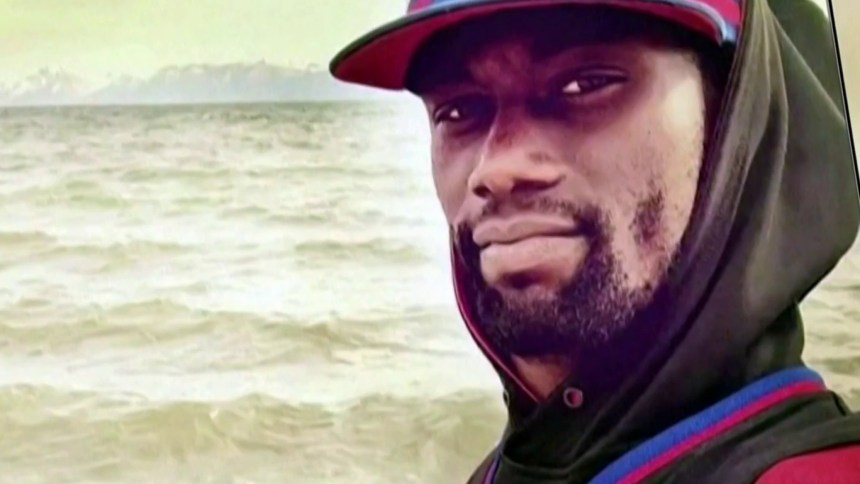
Nichols’ death is referenced near the top of the report. Body camera footage of the incident sparked national outrage. Video showed Nichols, a 29-year-old Black man and the father of a toddler, dragged out of a car by five police officers, who beat, shocked and pepper-sprayed him as he cried out for help. He died in a hospital three days later.
Three of the five former police officers involved in Nichols’ death were convicted by a jury of federal civil rights violations in October this year. Two others pleaded guilty to federal charges months earlier. All five are Black.
In a letter published earlier Wednesday, city officials appeared to get ahead of the Justice Department report, saying that it would not agree to negotiate federal oversight of the MPD until it could review and challenge the agency’s findings.
Memphis Mayor Paul Young echoed that resistance Thursday, saying the city has already made reforms since Nichols’ death.
According to the Justice Department, the MPD often does not supervise or assess its own practices. Black people in Memphis are disproportionately targeted and face harsher treatment by police, the agency found, and officers frequently use excessive force against people with behavioral health disabilities. The MPD also failed to evaluate its own practices for racial disparities or effectiveness, the report said, resulting in “a corrosive effect on the Memphis community—including children, who have experienced aggressive and frightening encounters with officers.”
The report also found that Memphis police regularly escalate situations and use excessive force against people suspected of nonviolent offenses. In one example, the Justice Department pointed to how officers responded to an unarmed man with a mental health condition who tried to take a $2 soft drink from a gas station. Although the man left the store without the drink, police continued to follow him. They then violently restrained him, beat him, put him in a chokehold and shocked him with a stun gun multiple times “as he screamed in pain,” the report said.
At least nine police cars and 12 Memphis police officers responded to the incident, the report said. The man spent two days in jail for theft and disorderly conduct.
