






House Republicans eyeing legislation that would give the Trump administration, and Secretary of State Marco Rubio in particular, broad powers to revoke American citizens’ passports are having second thoughts in the face of public backlash.
The news comes as members of the Trump administration have threatened to use their official powers to silence and intimidate political opponents and critics of deceased MAGA influencer Charlie Kirk, and following numerous instances earlier this year of the administration targeting pro-Palestinian activists.
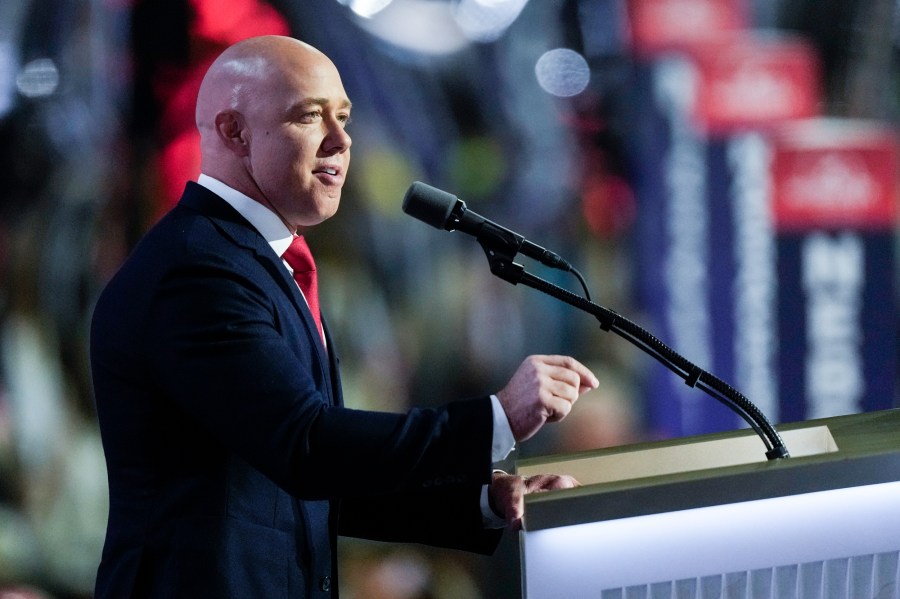
The bill in question, H.R. 5300, was introduced by Rep. Brian Mast, R-Fla., who has supported deporting “terrorist sympathizers” — a term he’s used to describe pro-Palestinian activists like Columbia graduate student Mahmoud Khalil. Ostensibly focused on rooting out terrorism and the trafficking of contraband, Mast’s bill drew backlash over the weekend amid reporting from The Intercept on provisions that would grant the secretary of state wide latitude to target people over their views.
The Intercept reported:
One section grants the secretary of state the power to revoke or refuse to issue passports for people who have been convicted of — or merely charged with — material support for terrorism. (Mast’s office did not respond to a request for comment.) Kia Hamadanchy, a senior policy counsel at the American Civil Liberties Union, said that language would accomplish little in practice, since terror convictions come with stiff prison sentences and pre-trial defendants are typically denied bail. The other section sidesteps the legal process entirely. Rather, the secretary of state would be able to deny passports to people whom they determine ‘has knowingly aided, assisted, abetted, or otherwise provided material support to an organization the Secretary has designated as a foreign terrorist organization.’
The problem, according to critics, is that this gives wide discretion to the State Department to define those groups and what constitutes aid. Carolyn Iodice, the policy director at the Foundation for Individual Rights and Expression, told Newsweek that “if this becomes permanent law then forever any secretary of state who wants to suppress speech could exploit this to punish viewpoints he or she doesn’t like.”
After facing outrage from activist groups and civil liberties experts, a spokesperson for the House Foreign Affairs Committee told various outlets, including The Intercept, on Monday that Mast had introduced an amendment to strike that provision from the bill. But it still needs approval when the committee meets Wednesday for markup, meaning there’s still a chance these expanded powers could make their way into the final bill.
