





The Supreme Court sided with Maryland parents in a dispute over whether parents can keep their elementary school kids out of public school instruction they say violates their religious beliefs on gender and sexuality. The court’s latest bolstering of religion in public life split the justices 6-3, with Republican appointees in the majority and Democratic appointees dissenting.
“Today, we hold that the parents have shown that they are entitled to a preliminary injunction,” Justice Samuel Alito wrote for the court. He said the government can’t condition public education on parents’ acceptance of instruction that poses “a very real threat of undermining” the religious beliefs and practices they wish to instill.
Alito said the parents are likely to succeed in their argument that the school board’s policies “unconstitutionally burden their religious exercise.” Writing on behalf of all six of the court’s GOP appointees, he wrote, “We reject this chilling vision of the power of the state to strip away the critical right of parents to guide the religious development of their children.”
The dissent raised a different chilling prospect.
Writing for the court’s Democratic appointees, Justice Sonia Sotomayor said the ruling ushered in a “new reality” that casts aside long-standing precedent.
She said the majority “closes its eyes to the inevitable chilling effects of its ruling,” noting that many school districts, especially those without as many resources, can’t afford costly litigation over opt-out rights and the like. “Schools may instead censor their curricula, stripping material that risks generating religious objections,” she wrote, adding that the majority therefore “hands a subset of parents the right to veto curricular choices long left to locally elected school boards.”
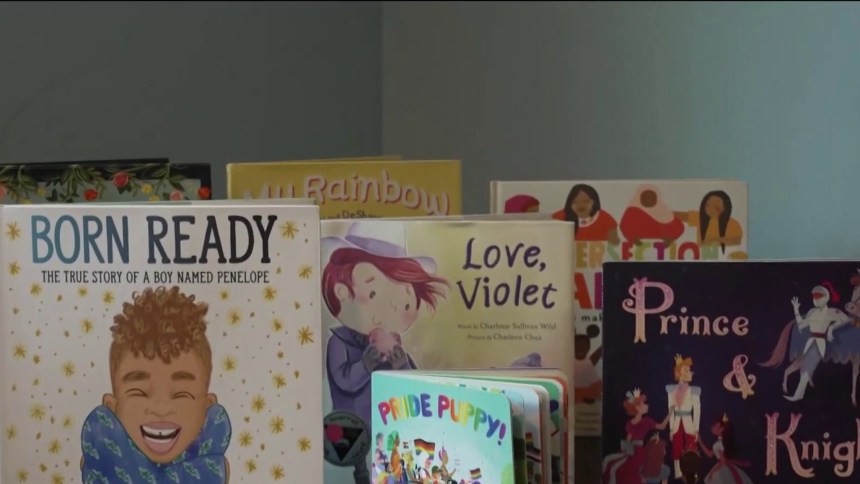
Technically, the plaintiffs of various faiths didn’t ask to control what gets taught or to ban books. Rather, they asked for notice and a chance to opt their kids out of certain instruction, in this case sparked by books featuring LGBTQ characters.
Montgomery County school officials said the problem with opting out is threefold: “high student absenteeism, the infeasibility of administering opt-outs across classrooms and schools, and the risk of exposing students who believe the storybooks represent them and their families to social stigma and isolation.”
Represented by a religious liberty group and backed by the Trump administration, the parents appealed to the high court after a divided federal appellate panel ruled against them last year. The panel majority said it was too early in the litigation to grant the parents relief, over dissent from a Trump appointee who said the parents were put to a choice of either “compromising their religious beliefs or foregoing a public education for their children.”
The parents likewise told the justices that they faced an “impossible choice.”
School officials told the justices that the parents’ position had drastic consequences, accusing them of trying to “unsettle a decades-old consensus that parents who choose to send their children to public school are not deprived of their right to freely exercise their religion simply because their children are exposed to curricular materials the parents find offensive.”
In other religion-related rulings this term, the court unanimously sided with a Catholic charity in a Wisconsin tax case and avoided a contentious ruling on whether to approve the country’s first public religious charter school. In the latter case, from Oklahoma, Justice Amy Coney Barrett’s recusal resulted in a 4-4 tie that yielded no decision and effectively upheld a state court ruling against the school.
Subscribe to the Deadline: Legal Newsletter for expert analysis on the top legal stories of the week, including updates from the Supreme Court and developments in the Trump administration’s legal cases.
